
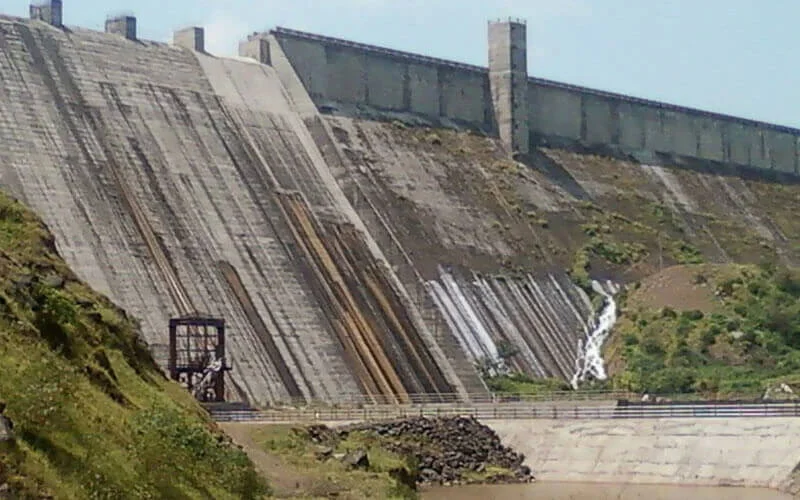
Dams face constant pressure from stored water, changing weather and natural ground movement. These conditions slowly weaken concrete and joints, which increases the risk of seepage. Dam waterproofing helps control water movement inside the structure, protects the foundation and reduces long term damage. It has become a priority for government bodies and private developers because safety, sustainability and uninterrupted water supply depend on consistent protection.
How Water Seepage Begins in Large Dam Structures
Water seepage usually starts with micro cracks that form over years of stress and temperature changes. Once water enters these gaps, it begins traveling through concrete layers and expansion joints. This can wash away fine material inside the structure and weaken overall stability. Dam waterproofing slows this process by sealing active leakage points and reinforcing weak zones before they expand further, which helps maintain long term structural strength.
Importance of Waterproofing in Old and New Dams
Many older dams were built using traditional concrete mixes and outdated construction practices. Over time, water pressure, chemical reactions and ageing make them vulnerable. New dams are designed with advanced materials but still require strong waterproofing systems to perform well under high pressure. Whether old or new, dam waterproofing works as a preventive layer that increases durability and avoids major repairs that could interrupt essential water or power supply.
Rising Focus on Safety and Inspection Standards
Authorities across India are increasing inspections of dam structures to prevent failures and disasters. Engineers now look at seepage reports, crack behavior, foundation settlement and hydrostatic pressure. Dam waterproofing forms a major part of this maintenance cycle. Regular treatment keeps seepage levels under control and helps engineers understand where reinforcement is needed. This approach leads to safer dams that operate smoothly during peak monsoon and high water storage months.
Common Problems Found During Dam Leak Assessments
During leak assessments, engineers often discover issues like wet walls, rusting reinforcement bars, compromise in concrete quality and white mineral deposits. These signs show that water is already inside the structure. Dam waterproofing solutions are selected based on the severity of each problem. Some issues need injection grouting, while others require surface coatings or joint repairs. Early correction keeps the structure stable and avoids emergency repairs later.
High Demand for Effective Seepage Control
People search for solutions related to water leakage in dams, crack repair, concrete rehabilitation and long term waterproofing systems. These terms reflect growing awareness of safety and structural care. More dam authorities want treatments that support high pressure resistance and minimal maintenance. Effective dam waterproofing answers this need because it blocks seepage routes and keeps the entire structure strong during seasonal variations and heavy inflow periods.
Key Techniques Used in Modern Dam Waterproofing
Modern waterproofing uses several methods, each designed for different levels of seepage. Injection grouting fills internal voids and cracks by inserting chemical grout. Polyurethane or epoxy injections work well in active leakage zones. Surface coatings restore worn concrete layers and improve water resistance. Joint sealants protect expansion joints from water entry. Together, these techniques create a complete dam waterproofing system that supports long term performance.
Role of Injection Grouting in Stopping Seepage
Injection grouting has become one of the most preferred solutions for dams facing internal leakage. Engineers drill precise holes into crack lines and inject resin based materials that block water movement. This process strengthens the concrete from inside and restores load bearing capacity. With the correct pressure control, injection grouting becomes a powerful tool in dam waterproofing, especially when handling hidden seepage that cannot be treated from the surface.
Surface Coatings and Their Advantages
Surface coatings are used to cover exposed concrete walls that face direct water pressure. Cementitious coatings and polymer modified layers are widely used because they bond well with concrete and create a dense, waterproof surface. These coatings reduce permeability and offer chemical resistance. When applied on the upstream face, they add an extra barrier against seepage. This helps extend the lifespan of the dam waterproofing system and supports improved strength.
Strengthening Weak Zones Around Joints
Expansion joints in dams are essential for movement and temperature adjustment. Over time, these joints wear out and allow water to enter. Sealant failure is a common cause of seepage in large structures. Joint treatment solves this by replacing old material, applying high quality water resistant sealants and restoring sealing capacity. This keeps water from penetrating into sensitive locations, which is critical for long term dam waterproofing success.
How Waterproofing Protects the Foundation
The foundation of a dam carries enormous load and pressure. If seepage enters the foundation, it can loosen soil, create voids and reduce stability. This becomes dangerous during high water levels. Comprehensive dam waterproofing ensures that water does not travel into the foundation. Safe foundations reduce the risk of settlement and maintain structural balance. Consistent treatment in this area is necessary for the safety and performance of major water storage projects.
Environmental Impact of a Well Protected Dam
A waterproofed dam reduces water wastage and prevents contamination caused by seepage into the ground. When water escapes uncontrolled, it may reach areas where soil or nearby structures can be damaged. Dam waterproofing keeps water where it is meant to be, ensuring proper storage and responsible resource use. It also supports hydroelectric projects by maintaining optimal water pressure levels, which helps in generating stable power output during all seasons.
Monitoring and Maintaining Waterproofing Systems
Once waterproofing is done, engineers regularly monitor pressure behavior, leakage points and coating condition. This helps track any new cracks or seepage lines that may appear due to environmental changes. Maintenance may include reapplying coatings or extending injection work to nearby areas. Continuous monitoring keeps the entire dam waterproofing plan effective and avoids sudden failures that could affect water security or downstream safety.
How Technology Supports Safer Dam Structures
Digital tools now help engineers identify seepage earlier than before. Thermal imaging, moisture scanning and structural mapping give accurate results on internal dampness. These tools guide experts in selecting the right dam waterproofing solution. Predictive analysis also helps authorities plan budgets and repair timelines. Technology driven maintenance allows dams to operate safely even during unpredictable weather patterns and high inflow seasons.
Future of Waterproofing in India’s Water Infrastructure
India’s growing dependence on dams for irrigation, drinking water and power supply makes structural care essential. As weather conditions become more unpredictable, the need for strong dam waterproofing will increase. Modern materials, improved coating systems and advanced injection techniques will shape the next generation of dam protection. With regular inspections and timely waterproofing treatments, India can maintain safe, stable and efficient water infrastructure for years to come.
Strong and timely dam waterproofing ensures safety, stability and long term performance of large water structures. When seepage is controlled early, it protects concrete, prevents foundation weakening and reduces the chances of costly repairs. Modern materials, advanced grouting systems and regular inspections make this process more reliable. With consistent maintenance and proper waterproofing practices, dams remain secure, efficient and capable of meeting growing water and power demands for years ahead.