
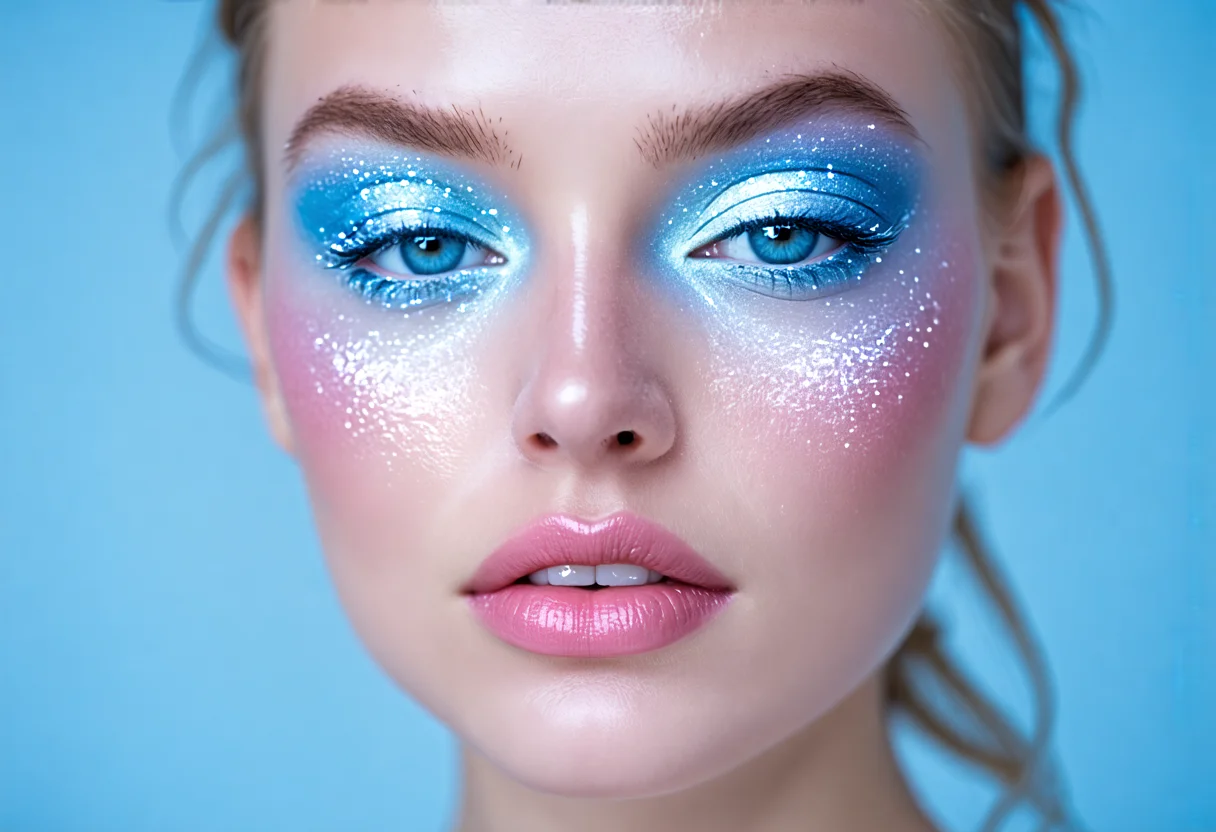
People turn to AI face makeup because they want previews that feel believable rather than exaggerated. When results look natural, users trust what they see. When results feel artificial, confidence fades almost instantly. This reaction often happens within seconds, long before users think about the technology behind the experience.
An AI beauty app does more than place color on a face. It interprets facial structure, movement, lighting, and texture in real time. Minor inconsistencies across these areas can quickly make results feel disconnected from reality. Understanding the elements that influence realism helps explain why some previews feel intuitive while others feel immediately off.
Facial Mapping as the Foundation of Realism
Accurate facial mapping sets the tone for every result. An AI beauty app must correctly identify key landmarks such as the eyes, lips, cheekbones, and jawline to create a believable preview. When alignment is precise, makeup appears anchored to the face and moves naturally with it. When alignment is off, users quickly notice floating edges, misplaced color, or areas that fail to sit correctly on facial contours.
Expression tracking plays an equally important role in realism. Smiling, blinking, or turning the head should not cause distortion or lag. Artificial results often come from static overlays that fail to adapt to natural motion. Face shape awareness adds another layer of accuracy. A look that suits one face can appear distorted on another if proportions are ignored. When AI face makeup applies the exact placement across different face shapes, previews feel generic rather than personal. This lack of adaptation weakens confidence and makes the experience feel less authentic overall.
Skin Tone and Texture as Signals of Believability
Color accuracy strongly influences realism. Artificial previews often rely on flat or overly bright shades that ignore undertones. More believable AI face makeup adjusts pigment based on complexion, contrast, and surrounding features.
Texture handling also shapes perception. Real skin contains pores, shadows, and variation. When an app smooths everything uniformly, the face can appear plastic. Users recognize this immediately, even if the color looks appealing.
Blending connects color and texture. Harsh edges or sharp transitions signal artificiality. Smooth gradients help makeup feel integrated with the skin, which supports realism rather than spectacle.
Lighting and Environmental Awareness in Visual Output
Lighting affects makeup appearance more than many users realize. An AI beauty app must respond to shadows, brightness changes, and color temperature. Artificial results often ignore these cues, making makeup appear pasted onto the face.
Realistic previews adapt to slight lighting shifts. If a user moves closer to the camera or changes position, the makeup should respond rather than remain fixed. Failure to adjust creates a visual mismatch that users notice quickly.
Environmental awareness also includes camera distance and angle. Makeup should scale naturally, without stretching or shrinking. Ignoring these factors disrupts immersion and reduces confidence in the preview.
How Users Detect Artificial AI Results Quickly
Users rarely describe technical issues directly. Instead, they react to visible clues that make ai face makeup feel unnatural. Common signs include:
- Makeup shifting or lagging during movement
- Skin appearing overly smooth or flat
- Colors that ignore undertones or lighting
- Edges that look sharp or detached
These cues quickly reduce confidence. Even subtle inconsistencies can lead users to question whether an AI beauty app accurately understands their face.
Why consistency over time builds trust
Realism depends on stability over time. Users expect AI face makeup to remain consistent as they move, speak, or change expression. Stability suggests that the system understands facial dynamics rather than applying static imagery.
Artificial results often degrade over time. Colors may shift, alignment may drift, or features may lose precision. These changes break trust, even if the initial preview looked acceptable.
Consistent performance reassures users that what they see reflects their actual features. When previews hold steady, users feel comfortable comparing looks without distraction.
Conclusion
The difference between realistic and artificial AI face makeup does not come from dramatic effects. It comes from accurate mapping, thoughtful blending, awareness of lighting, and consistent behavior. An AI beauty app does not need to be perfect to feel believable. It requires balance, adaptability, and respect for natural variation. When those elements align, users trust what they see. When they do not, realism breaks instantly, and confidence disappears.
ㅤ ㅤ ㅤ ㅤ ㅤ ㅤ ㅤ ㅤ ㅤ ㅤ ㅤ ㅤ ㅤ ㅤ ㅤ ㅤ ㅤ ㅤ ㅤ ㅤ ㅤ ㅤ ㅤ ㅤ ㅤ ㅤ ㅤ ㅤ ㅤ ㅤ ㅤ ㅤ ㅤ ㅤ ㅤ ㅤ ㅤ ㅤ ㅤ ㅤ ㅤ ㅤ ㅤ ㅤ ㅤ ㅤ ㅤ ㅤ ㅤ ㅤ ㅤ ㅤ ㅤ ㅤ ㅤ ㅤ ㅤ ㅤ ㅤ ㅤ ㅤ ㅤ ㅤ ㅤ ㅤ ㅤ ㅤ ㅤ ㅤ ㅤ ㅤ ㅤ ㅤ ㅤ ㅤ ㅤ ㅤ ㅤ ㅤ ㅤ ㅤ ㅤ ㅤ ㅤ ㅤ ㅤ ㅤ ㅤ ㅤ ㅤ ㅤ ㅤ
