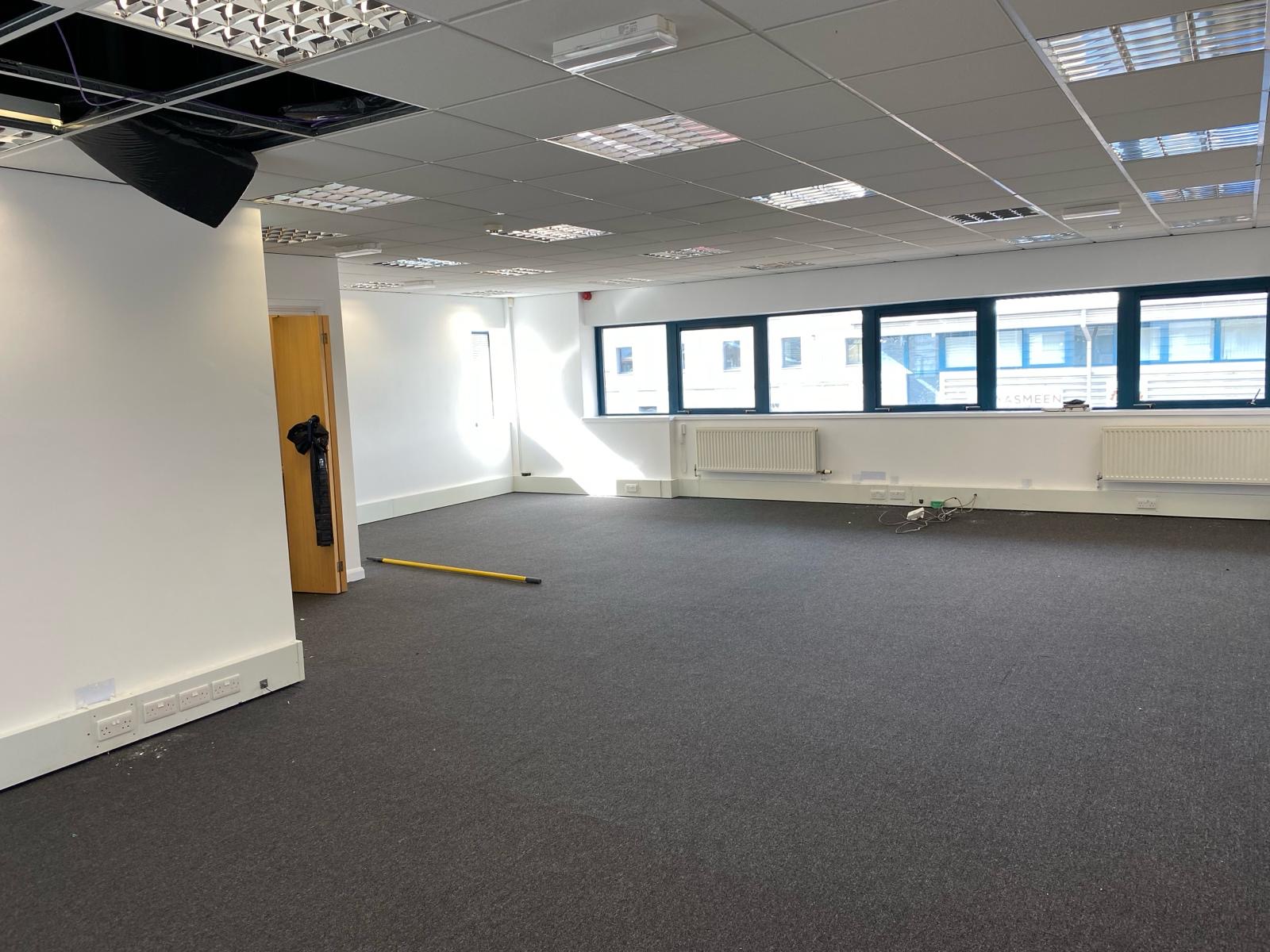
A successful strip out project sets the foundation for any renovation, refurbishment, or redevelopment. If this early stage is handled poorly, it can lead to delays, safety risks, and extra costs later in the build. That is why working with professional Strip Out Contractors is one of the most important decisions a property owner can make. From planning and safety to timing and coordination, several key factors determine whether a strip out project runs smoothly or causes problems.
Table of Contents
ToggleClear Understanding of the Project Scope
One of the first things that makes a strip out project successful is a clear understanding of what needs to be removed. Strip out work involves removing non-structural internal elements such as partitions, ceilings, flooring, fixtures, fittings, and internal services. Knowing exactly which elements must go and which must stay avoids confusion and prevents accidental damage to the building’s structure.
Detailed Site Survey Before Work Begins
A proper site survey is essential for success. Older buildings often hide issues like outdated wiring, unsupported fittings, or previous alterations that do not meet current standards. A detailed survey identifies risks early and allows the strip out to be planned correctly. This step reduces surprises during the project and helps keep timelines realistic.
Strong Planning and Scheduling
Planning is at the heart of every successful strip out project. A clear plan includes method statements, risk assessments, and a realistic schedule. Good planning ensures work is carried out in the right order and aligns with the wider renovation programme. Without this structure, strip out work can become disorganised and cause delays for other trades.
Safe Isolation of Services
One of the most critical success factors is isolating services properly. Electricity, gas, water, and data systems must be disconnected before removal begins. Failing to isolate services can result in serious accidents or damage. Safe service isolation protects workers and ensures the project can continue without unexpected stoppages.
Correct Sequencing of Strip Out Tasks
Successful strip out follows a logical sequence. Fixtures and fittings are removed first, followed by floor coverings and ceilings, and then non-load-bearing partitions. This order improves access, reduces rework, and helps maintain site safety. Poor sequencing often leads to wasted time and unnecessary disruption.
Focus on Health and Safety
Health and safety play a major role in strip out success. Dust, sharp materials, unstable fixtures, and exposed services all present risks. A successful project includes proper protective equipment, clear access routes, and regular safety checks. Maintaining a safe site reduces accidents and avoids work stoppages caused by safety breaches.
Effective Waste Management
Strip out work generates a large volume of waste, and how it is managed affects both safety and efficiency. Materials should be removed regularly to keep the site clear. Sorting waste into recyclable and non-recyclable materials supports sustainability and ensures compliance with UK regulations. A clean site allows work to progress faster and more safely.
Coordination With the Next Phase
Strip out is not a standalone activity; it must connect smoothly with the refurbishment or construction phase. A successful project includes clear handover points so that builders, electricians, and plumbers can start work immediately once strip out is complete. Poor coordination can lead to idle time and missed deadlines.
Experience in Commercial Strip Out Projects
Commercial projects place extra pressure on strip out timelines. An office strip out, for example, often needs to be completed within a strict schedule to minimise downtime. Success in these projects depends on careful planning, efficient working methods, and strong communication with other contractors.
Understanding Building Type and Use
Every building is different, and a successful strip out takes this into account. Commercial offices, retail units, industrial spaces, and homes all have unique requirements. Understanding how the building will be used after strip out helps determine how much work is needed and how it should be carried out.
Managing Unexpected Discoveries
Even the best-planned strip out can uncover unexpected issues such as hidden damage or outdated services. A successful project is one that can adapt quickly. Early identification of problems allows solutions to be planned without major disruption. Flexibility and experience are key here.
Clear Communication With Property Owners
Good communication is another major success factor. Property owners should be kept informed about progress, timelines, and any issues that arise. Clear updates build trust and help avoid misunderstandings. When everyone understands what is happening, decisions can be made quickly and confidently.
Compliance With Legal Requirements
Strip out work in the UK must meet strict health, safety, and waste regulations. Compliance is not optional. A successful project follows all legal requirements from start to finish, avoiding fines, enforcement action, or project shutdowns. Proper documentation and site management support this compliance.
Avoiding Common Strip Out Mistakes
Many strip out projects fail due to avoidable mistakes. These include skipping surveys, failing to isolate services, incomplete removal, or poor waste handling. Recognising these risks early and planning to avoid them is a key part of project success.
Importance of Skilled Labour
Strip out is not just physical labour; it requires knowledge and judgement. Knowing which walls are non-load-bearing, how to remove systems safely, and how to manage waste responsibly comes from experience. Skilled teams work faster and make fewer mistakes, contributing to overall success.
Impact on Renovation Timelines
A successful strip out protects the wider renovation schedule. When the space is cleared properly, other trades can begin work without delay. This keeps the entire project moving forward and reduces pressure later in the build.
Cost Control and Budget Management
Although strip out adds an upfront cost, a well-executed project often saves money overall. Early problem detection, efficient working, and reduced rework help keep budgets under control. Success is not about doing the cheapest strip out, but the most effective one.
Residential Strip Out Success Factors
In residential projects, success also means minimising disruption. Careful planning helps manage noise, dust, and access. A smooth strip out allows homeowners to move into the next renovation phase with fewer surprises.
Why the Right Contractor Makes the Difference
Ultimately, the biggest factor in strip out success is the team delivering it. Experienced Strip Out Contractors bring planning skills, safety systems, and coordination experience that support the entire project. Their involvement reduces risk and improves outcomes.
Final Thoughts on Strip Out Project Success
A successful strip out project is built on planning, safety, communication, and experience. When done correctly, it creates a clean, safe foundation for renovation or construction. By understanding what makes strip out work successful and working with the right professionals, property owners can protect their timelines, budgets, and long-term project goals.