
Shotcreting has become one of the most trusted construction techniques across Sydney, used for everything from basement walls and swimming pools to retaining walls, tunnel linings, and slope stabilisation. Its strength, durability, and versatility make it an attractive option for builders and engineers. But when planning a project, one question always comes up: What is the difference between wet and dry shotcreting?
Although both techniques involve projecting concrete at high velocity to achieve a dense, durable layer, their processes, applications, and performance vary significantly. Choosing the right method can greatly impact your project’s finish, cost, efficiency, and long-term durability. This guide breaks down everything you need to know about wet vs dry shotcreting in Sydney.
Understanding Shotcreting: A Quick Overview
Shotcreting refers to the method of spraying concrete onto a surface using a hose and nozzle under high pressure. Unlike traditional pouring, which requires formwork, shotcrete adheres directly to surfaces, making it ideal for complex shapes and vertical or overhead applications.
Why Sydney Builders Use Shotcrete
-
Faster construction timelines
-
Reduced formwork costs
-
Excellent strength and adhesion
-
Suitable for Sydney’s hilly and coastal terrains
-
Easily adaptable for residential and commercial builds
From swimming pools in the suburbs to tunnel reinforcements in major infrastructure projects, shotcrete is a staple across New South Wales.
What Is Wet Shotcreting?
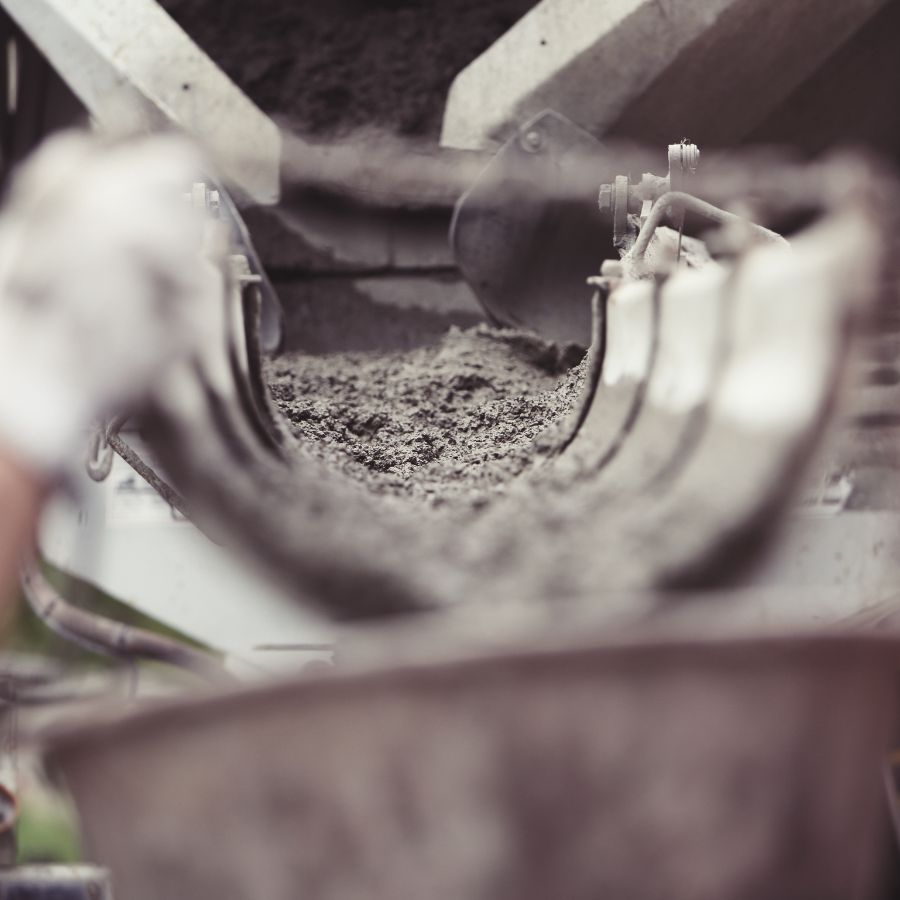
Wet shotcreting—often called the wet-mix process—uses concrete that is fully mixed before reaching the site. The mixture is prepared at the batching plant or in a truck mixer and pumped through a hose to the nozzle, where compressed air propels it onto the surface.
How Wet Shotcreting Works
-
Concrete is batched and mixed with water before transport.
-
A pump moves the wet concrete through the hose.
-
Compressed air at the nozzle atomises and accelerates the mix.
-
The concrete is sprayed onto the surface with consistent moisture and density.
Key Features of Wet Shotcreting
-
Consistent quality and mix accuracy
-
Higher production rate (ideal for large projects)
-
Less rebound and minimal dust
-
Requires specialised equipment
-
Excellent surface finish
Wet shotcrete is widely used in large-scale applications where uniformity and efficiency matter.
What Is Dry Shotcreting (Gunite)?
Dry shotcreting—also known as gunite—involves sending a dry mix of cement and aggregates through the hose while water is added only at the nozzle. The nozzle operator controls the water-to-cement ratio, giving this method greater flexibility.
How Dry Shotcreting Works
-
Dry mix is fed into the gunite machine.
-
Compressed air pushes the material through the hose.
-
Water is added at the nozzle to activate the mix.
-
Skilled operators adjust moisture levels in real time.
Key Features of Dry Shotcreting
-
Greater control over water content
-
Ideal for repairs and small projects
-
Lightweight equipment and easier set-up
-
Higher dust levels
-
Requires experienced nozzlemen
Dry shotcrete is particularly popular for pool building, renovations, and overhead work where precision is essential.
Wet vs Dry Shotcreting: The Key Differences
To understand which method is right for your project, it’s important to compare how they differ in several critical areas.
1. Mixing Method
-
Wet Shotcrete: Fully mixed concrete delivered ready-to-spray.
-
Dry Shotcrete: Dry mix with water added at the nozzle.
This difference impacts consistency, control, and equipment requirements.
2. Application Speed
-
Wet Shotcrete: Faster and ideal for large-volume work.
-
Dry Shotcrete: Slower but more controlled, suitable for detailed areas.
Contractors in Sydney often choose wet shotcrete for high-volume commercial or civil works.
3. Strength and Durability
Both processes can achieve excellent strength when done correctly.
-
Wet shotcrete tends to provide more uniform strength due to consistent mixing.
-
Dry shotcrete strength depends heavily on operator skill and mix control.
4. Dust and Rebound
-
Wet Shotcrete: Minimal dust, less rebound, cleaner worksites.
-
Dry Shotcrete: More dust, more rebound, requiring cleanup and PPE.
Sydney’s urban areas often favour wet shotcreting for environmental and safety reasons.
5. Equipment Requirements
-
Wet mix: Requires concrete pumps and mixing trucks.
-
Dry mix: Requires a gunite machine and air compressor; more portable.
6. Cost Comparison
-
Wet Shotcrete: Higher equipment and preparation cost but faster application reduces labour.
-
Dry Shotcrete: Lower equipment cost but potentially higher labour costs due to slower pace.
Overall project cost depends heavily on project size and complexity.
7. Best Applications
Wet Shotcreting Best Suited For:
-
Tunnels and underground infrastructure
-
Large retaining walls
-
Basements
-
Commercial concrete structures
-
High-volume civil works
Dry Shotcreting Best Suited For:
-
Swimming pools
-
Structural repairs and patching
-
Overhead applications
-
Intricate shapes and curved surfaces.
Applications of Wet Shotcreting in Sydney
Wet shotcrete dominates large-scale and heavy-duty construction projects such as:
-
Multi-level basement walls
-
Rail and road tunnels
-
Retaining walls on sloped blocks
-
Dam or water infrastructure
-
High-rise construction support
Its efficiency and quality make it a top choice for contractors handling major civil works across NSW.
Applications of Dry Shotcreting (Gunite) in Sydney
Dry shotcreting remains popular for:
-
Pool shells (residential & commercial)
-
Bridge or tunnel repair work
-
Shotcrete sculpting
-
Lightweight structures
-
Tight-access areas
Because operators can adjust moisture instantly, gunite works exceptionally well for detailed shaping and repairs.
Environmental & Safety Considerations
Wet Shotcreting
-
Produces cleaner worksites
-
Reduced airborne dust, ideal for populated Sydney suburbs
-
Requires water management and proper disposal practices
Dry Shotcreting
-
Generates more dust—requires high-level PPE and safety control
-
Suitable for outdoor or well-ventilated areas
-
Not always ideal for built-up Sydney environments without strict controls
How to Choose the Right Shotcreting Method in Sydney
When deciding between wet and dry shotcrete, consider:
-
Project size
-
Required strength
-
Access conditions
-
Budget
-
Environmental limitations
-
Time constraints
Consulting an experienced Sydney shotcrete contractor can help determine which approach will deliver the best structural integrity and value.
Conclusion
Both wet and dry shotcreting play crucial roles in Sydney’s construction landscape. While wet shotcrete offers speed, consistency, and cleaner application ideal for large-scale projects, dry shotcrete provides unmatched flexibility and precision for pools, repairs, and intricate surfaces. Understanding their differences enables homeowners, builders, and engineers to choose the right method for maximum durability, cost-efficiency, and project success.
Whether you’re building a retaining wall, shaping a swimming pool, or reinforcing a tunnel, selecting the right shotcreting technique ensures your structure stands strong for decades.
Frequently Asked Questions (FAQs)
1. Which shotcrete method is stronger: wet or dry?
Both can achieve high strength, but wet shotcrete generally provides more uniform results due to its controlled mixing process.
2. Why do Sydney pool builders prefer dry shotcreting?
Dry shotcrete allows better control and shaping, making it ideal for curved pool designs and detailed shaping.
3. Is wet shotcrete faster to apply?
Yes. Wet shotcrete is quicker and more efficient, especially for large projects.
4. Does dry shotcrete create more dust?
Yes, dry mix produces more dust and rebound, requiring safety measures and cleanup.
5. Is wet shotcrete better for retaining walls?
Absolutely. The consistency, strength, and lower rebound make it perfect for large retaining walls.
6. Is dry shotcrete cheaper in Sydney?
It can be cheaper for small areas or repairs but may become more costly on large projects due to labour time.
7. Can both methods be used for underground construction?
Yes, though wet shotcrete is usually preferred for tunnels and large underground structures due to efficiency.
8. Which method offers a smoother finish?
Wet shotcrete typically provides a smoother and more consistent surface finish.