Arabic home décor is a beautiful reflection of centuries of cultural heritage, blending artistry, architecture, and lifestyle into interior spaces. It combines traditional motifs, intricate patterns, and bold textures with modern influences, making it adaptable to today’s homes. From luxurious palaces to cozy apartments, these styles appeal to homeowners seeking both elegance and cultural authenticity. Vibrant colors, handcrafted furniture, and decorative accents like lanterns and rugs define this aesthetic. Arabic Home décor is gaining popularity globally, especially in Lebanon, for its unique charm. This article explores the most popular Arabic home décor styles today and how to incorporate them.
Traditional Arabic Décor
Traditional Arabic décor draws inspiration from historical architecture and craftsmanship. It features intricate geometric patterns, mosaic tiles, and Arabic calligraphy, which add cultural depth to interiors. Wooden furniture with carved details, brass lanterns, and embroidered textiles enhance the traditional aesthetic. Colors are often warm and earthy, creating a welcoming and cozy environment. Accessories like clay pots, rugs, and cushions bring authenticity to living spaces. Incorporating traditional décor in modern homes can balance heritage with contemporary functionality.
Modern Arabic Fusion
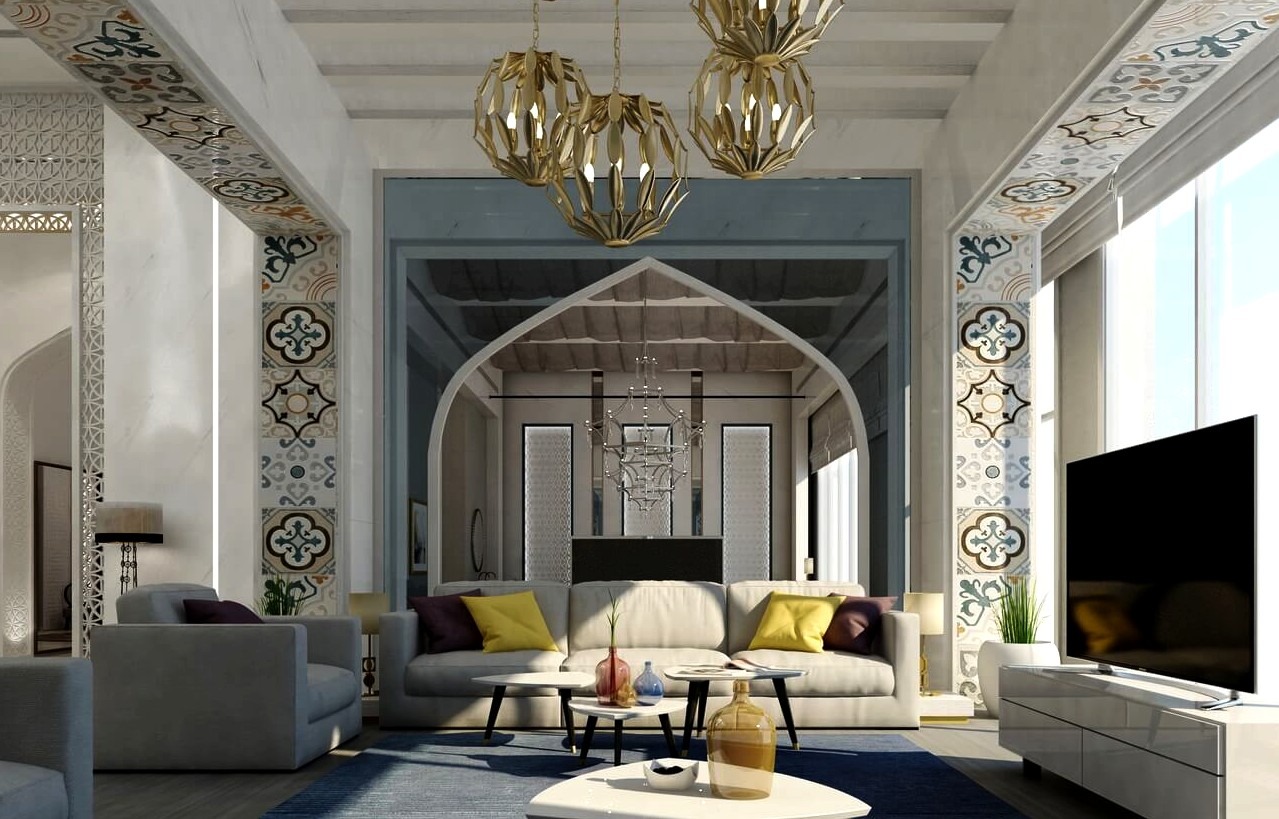
Modern Arabic fusion blends contemporary minimalist designs with traditional Arabic elements. Neutral color palettes are complemented with bold accents from patterned cushions or wall art. Sleek furniture is paired with rugs, lanterns, or carved wood pieces to maintain cultural character. Lighting is a key feature, often using modern lanterns or subtle recessed lights. This style allows homeowners to enjoy a clean, modern look without losing cultural charm. It is ideal for urban apartments or modern houses seeking a touch of Arabic elegance.
Color Palette
Neutral shades like beige, cream, gray, and soft whites form the foundation of modern Arabic fusion. These are complemented by bold accent colors deep blues, rich reds, or golden tones often seen in cushions, artwork, or small decorative items.
Furniture & Layout
Sleek, modern furniture with clean lines is paired with Arabic-inspired décor pieces such as carved wood tables, intricate screens, or low seating arrangements. Open layouts are preferred to maintain a spacious, airy feel.
Textures & Patterns
Textiles play a significant role in adding warmth and personality. Patterned cushions, rugs, and wall hangings often feature geometric or traditional Arabic motifs. Subtle patterns on throws or curtains help maintain a modern aesthetic while keeping cultural roots intact.
Lighting
Lighting is crucial in setting the ambiance. Modern Arabic fusion uses a mix of contemporary lighting fixtures and traditional lanterns. Recessed lighting, pendant lamps, and decorative lanterns enhance the mood while highlighting design features.
Ideal Spaces
This style suits urban apartments, modern villas, or townhouses. It works particularly well in living rooms, bedrooms, or study areas where a blend of minimalism and Arabic elegance is desired.
Moroccan-Inspired Décor
Moroccan-inspired décor is a vibrant subset of Arabic home décor, known for its bold colors and ornate detailing. Mosaic tables, patterned rugs, and poufs are central elements in this style. Lanterns, carved wood furniture, and ceramic accents create a warm, inviting atmosphere. Moroccan décor emphasizes textures, layering textiles, and intricate patterns. It is versatile, allowing integration with other Arabic décor styles for a balanced look. Perfect for cozy living areas, this style combines tradition with an artistic flair.
Color Scheme
Rich jewel tones such as emerald green, ruby red, sapphire blue, and amber dominate this style. Neutral tones act as a backdrop, allowing vibrant mosaics and textiles to stand out.
Furniture & Accessories
Furniture includes carved wood chairs, low tables, mosaic-topped tables, and poufs. Accessories like ceramic vases, lanterns, and colorful glassware complete the look. Layering these elements adds depth and character to the room.
Patterns & Textiles
Intricate patterns are essential geometric motifs, arabesques, and bold floral prints appear on rugs, cushions, and wall art. Layered textiles create a cozy and inviting atmosphere.
Lighting
Lanterns and pendant lights with colored glass create warm, dramatic lighting. The interplay of light and shadow adds to the mystical and artistic feel of the space.
Ideal Spaces
Moroccan décor is perfect for living rooms, lounge areas, and cozy corners where vibrant energy and cultural flair are desired. It also blends well with other Arabic décor styles for a versatile look.
Middle Eastern Minimalism
Middle Eastern minimalism is a modern trend focusing on simplicity and subtle cultural touches. Clean lines, open spaces, and muted tones define this style, creating calm and airy interiors. Decorative accents such as small lanterns, pottery, or patterned cushions reflect Arabic heritage without overwhelming the space. Natural materials like stone, wood, and metals are commonly used for furniture and accessories. Light, uncluttered spaces are a key feature, promoting tranquility. This style works well in contemporary apartments or small homes seeking a modern yet culturally inspired aesthetic.
Color Palette
Soft neutrals white, cream, taupe, and light gray form the base. Accents are subtle and include muted golds or earthy tones to highlight cultural pieces without overwhelming the space.
Furniture & Layout
Furniture features clean lines and minimalist designs. Open spaces are prioritized, creating an airy environment. Key pieces may include a low sofa, minimalistic coffee table, or a simple wooden console.
Decorative Accents
Small decorative items reflect heritage subtly ceramic pots, small lanterns, patterned cushions, or a single ornate mirror. These accents bring character without cluttering the space.
Materials & Textures
Natural materials like wood, stone, metals, and linen are favored. The combination of textures adds warmth and depth, maintaining a balance between simplicity and elegance.
Ideal Spaces
This style is suitable for small apartments, contemporary homes, or offices. It works well in spaces requiring calm and tranquility while still reflecting Arabic aesthetics.
Luxurious Arabic Décor
Luxurious Arabic décor emphasizes opulence and grandeur, inspired by palaces and traditional Arabian interiors. Rich fabrics like velvet, silk, and embroidered textiles are common, paired with gold or brass accents. Chandeliers, plush seating, and carved furniture enhance the sense of elegance. Decorative items such as vases, lamps, and mirrors are often ornate and statement-making. This style combines traditional elements with lavish details to create a sophisticated, regal atmosphere. It is ideal for formal living rooms, lounges, or reception areas seeking luxury and cultural depth.
Color Palette
Deep jewel tones such as royal blue, burgundy, and emerald are paired with gold, bronze, or brass accents. Dark wood and rich fabrics amplify the regal ambiance.
Furniture & Layout
Furniture is ornate, often carved from wood and upholstered in luxurious fabrics like velvet or silk. Large seating arrangements, chaise lounges, and elegant tables create a sense of grandeur.
Textiles & Patterns
Embroidered cushions, heavy drapes, and intricate rugs are central. Patterns often include arabesques, geometric motifs, and luxurious gold accents.
Lighting
Chandeliers, lanterns, and elaborate light fixtures add drama and elegance. Lighting is designed to highlight architectural details and luxurious décor elements.
Decorative Elements
Statement vases, mirrors with ornate frames, brass or gold accessories, and artistic sculptures complete the style. Every element is intended to convey sophistication and cultural richness.
Ideal Spaces
This style is perfect for formal living rooms, reception areas, lounges, or grand dining rooms. It is ideal for homeowners seeking a luxurious, culturally immersive interior.
Conclusion
Arabic home décor offers a range of styles, from traditional and Moroccan to modern fusion and luxurious interiors. Each style balances heritage, functionality, and personal taste, making it versatile for various homes. Whether you prefer cozy traditional décor or elegant luxurious designs, Arabic aesthetics can elevate any space. Mixing and matching styles allows homeowners to create unique interiors reflecting culture and personality. The timeless appeal of Arabic décor ensures it remains relevant and admired worldwide. By exploring these popular styles, anyone can incorporate rich cultural charm into their home.
FAQs
What defines Arabic home décor?
It includes traditional patterns, vibrant textiles, lanterns, and intricate wood or brass details reflecting cultural heritage.
How can I mix modern and traditional Arabic décor?
Use neutral furniture with traditional accents like patterned rugs, cushions, or calligraphy wall art.
Which colors are most popular in Arabic home décor?
Warm earthy tones, gold accents, deep reds, blues, and vibrant jewel tones are commonly used.
Are Moroccan and Arabic styles the same?
Moroccan décor is a subset of Arabic décor, known for bold colors and ornate detailing, while Arabic décor includes broader traditional and modern styles.
How do I make Arabic décor work in small apartments?
Focus on minimalism, small statement pieces, subtle patterns, and open, uncluttered spaces to keep it elegant.