In the intricate world of surgery, precision, control, and the right tools are paramount to successful outcomes. Surgeons rely on a vast array of specialized instruments, each designed for a specific task. Among these essential tools is an instrument used for shaping, scraping, and modifying bone and tissue.
What is a Surgical Raspatory?
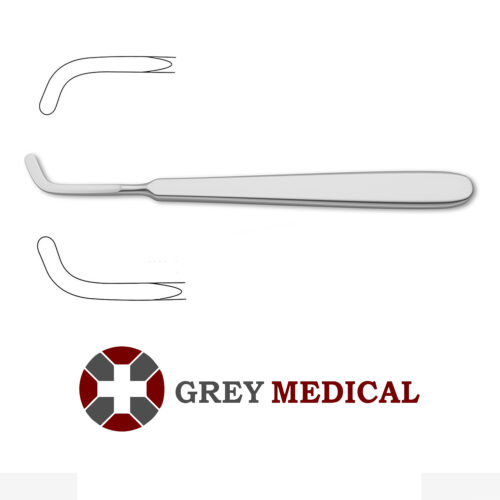
A raspatory is a surgical instrument designed with a coarse, file-like surface. Its primary function is to scrape or file away bone, cartilage, or periosteum (the membrane that covers the outer surface of bones). The name itself comes from the verb “to rasp,” which means to scrape or abrade with a rough instrument. This tool allows surgeons to perform delicate modifications to bone structures, remove diseased tissue, or prepare a bone surface for an implant with exceptional control.
The design of these instruments can vary significantly depending on their intended use. Some are double-ended, offering two different tip shapes or textures in one tool. Others might be single-ended with a robust handle for better grip and leverage. The tips can be curved, straight, rounded, or pointed, each tailored for accessing specific anatomical areas. The texture of the rasping surface is also a key design element, ranging from fine to very coarse, enabling different levels of tissue removal.
The Role in Different Surgical Specialties
The versatility of this instrument makes it indispensable across multiple surgical fields. From neurosurgery to orthopedics and plastic surgery, its application is widespread, highlighting its fundamental importance in the operating room.
Orthopedic and Spinal Surgery
In orthopedic surgery, the raspatory is a workhorse. It is frequently used to debride, or clean, bone surfaces by removing soft tissue or periosteum. This is a crucial step when preparing a bone for the placement of plates, screws, or joint prostheses. A clean surface ensures that the implant integrates properly with the bone, which is vital for long-term stability and patient recovery. In spinal fusion procedures, surgeons use it to decorticate the vertebrae, creating a rough, bleeding surface that promotes the fusion of bone grafts.
Otolaryngology (ENT) and Maxillofacial Surgery
Surgeons specializing in the ear, nose, and throat (ENT) or maxillofacial procedures also rely heavily on this tool. During a rhinoplasty (nose job), a surgeon might use a delicate version to smooth and contour the nasal bones, achieving the desired aesthetic outcome. In procedures involving the jaw or facial bones, it can be used to remove bone spurs or prepare sites for dental implants. The precision offered is essential for achieving both functional and cosmetic success in these sensitive areas.
Neurosurgery and Craniotomy
Within the demanding field of neurosurgery, specialized raspatories play a role in procedures involving the skull. After a craniotomy, where a section of the skull is removed to access the brain, surgeons may use a rasp to smooth the bony edges. This ensures the bone flap fits back perfectly and reduces the risk of complications. The fine control afforded by the instrument is critical when working in such close proximity to the brain and delicate neural structures.
Innovation in Instrument Design
As surgical techniques evolve, so too must the instruments used to perform them. Leading medical technology companies are at the forefront of this innovation, continuously refining the design and materials of surgical tools to improve performance and patient safety. Companies like GreyMedical®, a privately owned medical technology company dedicated to innovation and excellence in the craft of surgical instruments, understand the nuances of surgical needs.
Modern advancements focus on ergonomics, material science, and specialized functionality. Handles are designed to reduce surgeon fatigue during long procedures, providing a comfortable and secure grip. The metals used, typically high-grade stainless steel or titanium, are chosen for their durability, resistance to corrosion, and ability to hold a sharp or coarse edge. The development of a specialized raspatory for a minimally invasive procedure, for example, can significantly reduce patient trauma and recovery time. This commitment to excellence ensures that surgeons have the best possible tools to achieve optimal results.
Proper Care and Sterilization
Like all surgical instruments, the raspatory requires meticulous care and sterilization to prevent infection and ensure its longevity. The coarse, textured surfaces that make it effective can also be challenging to clean. Debris, such as bone fragments and tissue, can easily become trapped within the grooves.
Surgical teams follow strict protocols for cleaning these instruments. This process often involves manual scrubbing with specialized brushes, followed by ultrasonic cleaning to dislodge any microscopic particles. After thorough cleaning, the instruments undergo a rigorous sterilization process, typically using steam autoclaves, to eliminate all microorganisms. Proper handling and maintenance are crucial for patient safety and the instrument’s performance. A damaged or improperly cleaned tool can compromise a surgical procedure and lead to adverse patient outcomes.
Conclusion
The raspatory is more than just a simple file; it is a sophisticated and essential tool that enables surgeons to sculpt and modify bone with remarkable precision. Its role spans numerous surgical disciplines, from reshaping the delicate bones of the nose to preparing a vertebra for spinal fusion. The effectiveness of this instrument is a testament to the thoughtful engineering that goes into creating tools that meet the demanding needs of the operating room. Through the ongoing innovation driven by dedicated companies and the diligent care provided by surgical teams, this vital instrument will continue to play a critical role in restoring health and improving the lives of patients around the world.