
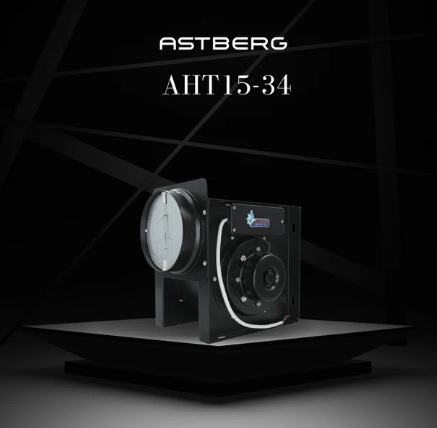
A kitchen exhaust fan is more than just a modern convenience—it’s an essential addition to any home kitchen. Whether you’re a passionate home cook or someone who enjoys occasional meals at home, a proper ventilation system ensures that your kitchen remains clean, safe, and comfortable. Investing in a kitchen exhaust fan for your home can transform your cooking environment, improve indoor air quality, and enhance the longevity of your kitchen appliances.
1. Improves Indoor Air Quality
Cooking generates heat, smoke, grease particles, and odors that can linger in your kitchen and spread throughout your home. Over time, these pollutants can negatively affect your indoor air quality. A kitchen fan efficiently removes smoke, steam, and airborne grease, ensuring that the air in your home remains fresh and healthy.
By continuously ventilating your kitchen, these fans help prevent the buildup of harmful particles that could trigger allergies or respiratory issues. For families with children or elderly members, maintaining clean air is especially crucial.
2. Reduces Excess Heat and Humidity
Cooking, especially with stoves or ovens, produces significant heat and humidity. Without proper ventilation, this excess heat can make your kitchen uncomfortable and increase the load on your home’s cooling system. A kitchen exhaust fan for your home draws out hot air and steam, keeping your kitchen temperature at a comfortable level.
This not only improves your cooking experience but also protects walls, cabinets, and appliances from damage caused by prolonged exposure to heat and moisture.
3. Prevents Grease and Odor Build-Up
Grease accumulation on walls, ceilings, and kitchen surfaces is a common problem in poorly ventilated kitchens. Over time, this buildup can be difficult to clean and may even become a fire hazard. Installing a kitchen exhaust fan reduces the amount of grease that settles in your kitchen by capturing airborne particles before they land on surfaces.
In addition, strong food odors can linger long after cooking. A kitchen exhaust fan ensures that these smells are vented outside, maintaining a fresh-smelling home.
4. Enhances Kitchen Safety
A kitchen fan plays a critical role in enhancing home safety. By removing smoke and harmful gases produced during cooking, it minimizes the risk of accidental fires and carbon monoxide buildup. Proper ventilation is especially important for kitchens that use gas stoves, where incomplete combustion can release dangerous gases.
Regular use of an exhaust fan also reduces the chances of slips and falls caused by excess moisture on kitchen floors, contributing to overall household safety.
5. Protects Kitchen Surfaces and Appliances
Humidity, smoke, and grease can cause long-term damage to kitchen cabinets, countertops, and appliances. Over time, these elements can warp wood surfaces, corrode metal fixtures, and stain painted walls. A kitchen exhaust fan for your home protects your investment by reducing exposure to these damaging factors.
By maintaining a dry and clean kitchen environment, you extend the life of your appliances and keep your kitchen looking newer for longer.
6. Boosts Home Value
Modern homebuyers are increasingly looking for functional and well-ventilated kitchens. A kitchen exhaust fan is a subtle yet impactful feature that can enhance the overall appeal and value of your home. Not only does it indicate that the kitchen is well-maintained, but it also demonstrates a focus on health, safety, and energy efficiency.
Even if you don’t plan to sell immediately, installing an exhaust fan adds a practical feature that improves daily comfort and kitchen usability.
7. Improves Cooking Efficiency
A well-ventilated kitchen is easier to work in. By reducing heat, humidity, and smoke, a kitchen exhaust fan allows you to focus on cooking without constantly wiping down surfaces or fanning away smoke. This creates a more enjoyable cooking experience and helps you maintain cleanliness and organization in the kitchen.
Chefs and home cooks alike appreciate the clarity and comfort that a ventilated kitchen provides, enabling more precise and enjoyable meal preparation.
Choosing the Right Kitchen Exhaust Fan
Selecting the right kitchen fan for your home involves considering the size of your kitchen, the type of cooking you do, and the fan’s airflow capacity. Look for models that offer sufficient air extraction rates, quiet operation, and easy maintenance. Ducted fans that vent air outside tend to be more effective than ductless options, as they completely remove smoke and odor rather than recirculating it.
Regular cleaning of filters and fan components ensures optimal performance and prevents grease buildup. Choosing a high-quality fan from a reputable brand also ensures reliability, durability, and safety.
Installing a kitchen exhaust fan in your home is a simple investment with lasting benefits. From improving air quality and safety to protecting your kitchen and enhancing comfort, a well-chosen exhaust fan is an essential component of any modern kitchen. Whether you’re upgrading an existing system or installing one in a new home, the advantages of proper ventilation make it a must-have for every homeowner.
FAQs
1. How often should I use my kitchen exhaust fan?
It’s recommended to run your kitchen exhaust fan every time you cook, especially when frying or grilling. For heavy cooking, operating the fan a few minutes before and after cooking ensures maximum ventilation.
2. Can a kitchen exhaust fan reduce energy efficiency in my home?
While exhaust fans draw air from your home, modern models are designed to be energy-efficient. Properly sized fans have minimal impact on heating or cooling costs, and the benefits of cleaner air outweigh any slight energy use.
3. Is it better to choose a ducted or ductless kitchen exhaust fan?
Ducted fans are generally more effective, as they vent smoke and odors outside, while ductless fans recirculate filtered air back into the kitchen. For heavy cooking, ducted systems are recommended.
4. How do I maintain my kitchen exhaust fan?
Clean the filters and fan components regularly—monthly for heavy use or quarterly for light use. Check for grease buildup and ensure the ducting is clear to maintain optimal airflow and prevent fire hazards.