
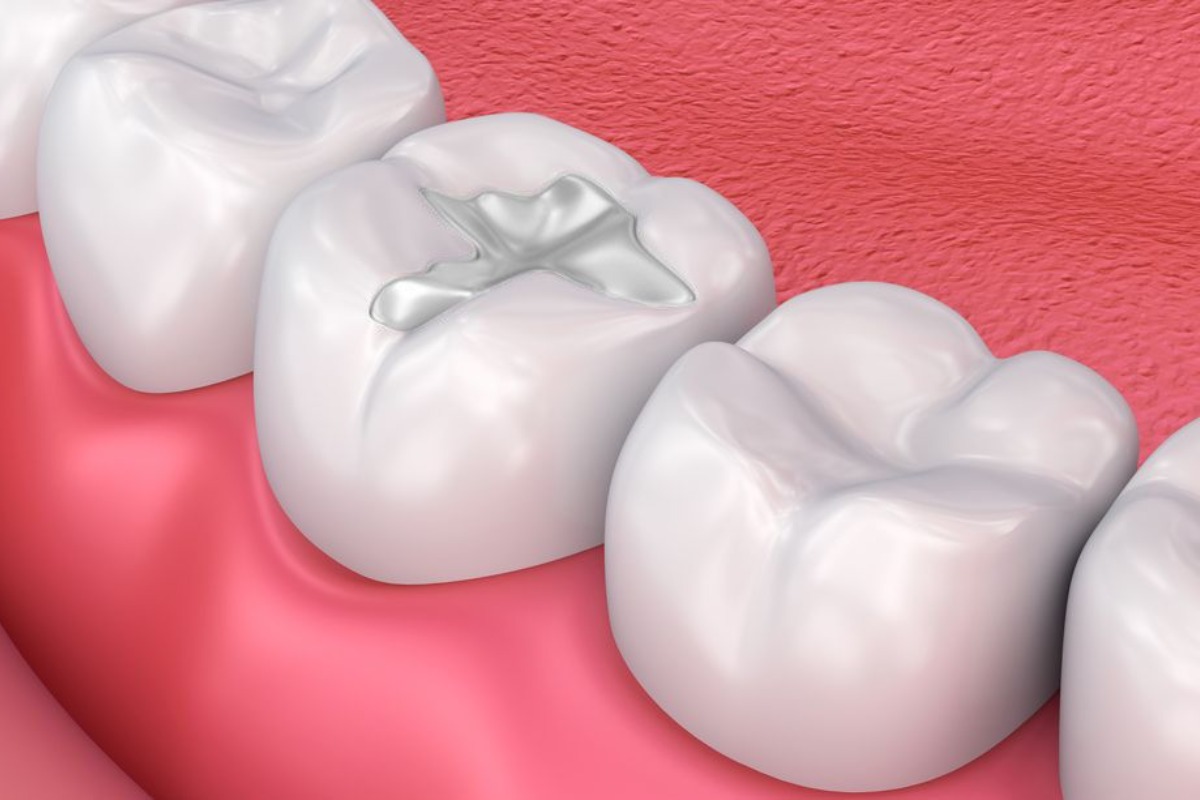
 Denhtal fillings are essential in restoring decayed or damaged teeth. They provide both functional and cosmetic benefits, allowing people to chew and smile with confidence. However, fillings are not permanent and can be dislodged due to trauma, decay beneath the filling, or simple wear and tear over time. While a lost filling may initially seem minor, it exposes the inner layers of the tooth to bacteria, which can trigger infections. Tooth infections, if left untreated, can cause severe pain, swelling, abscesses, and even systemic health problems. Understanding the causes, risk factors, symptoms, and treatment options for infections following a lost filling is crucial for maintaining long-term oral health.
Additionally, knowing what to do immediately after a filling falls out can prevent complications and reduce the need for extensive dental work later. This article explores every aspect of lost fillings and their relationship to tooth infections, helping readers take informed action and protect their dental health.
What Is a Dental Filling?
Dental fillings are restorative materials used to repair teeth that have cavities, cracks, or minor fractures. The primary goal of a filling is to restore the tooth’s structure, shape, and functionality while preventing further decay. The inner layers of a tooth, such as the dentin and pulp, are sensitive and highly susceptible to bacterial invasion. Fillings act as a protective barrier, sealing these areas from exposure to bacteria and other harmful agents.
Common filling materials include composite resin, which is tooth-colored and aesthetically pleasing, amalgam, which is durable but silver in color, gold, which is long-lasting and biocompatible, and porcelain, which is ideal for cosmetic restorations. Each material has advantages and disadvantages, including cost, durability, and appearance. Choosing the right filling depends on factors like the tooth’s location, bite pressure, cosmetic preference, and budget. Properly placed fillings can last years but require routine dental checkups to ensure ongoing protection and longevity.
Causes of Lost Fillings
A filling may become dislodged for several reasons, including:
Tooth Decay Under the Filling: Sometimes decay continues beneath the filling, weakening the bond between the tooth and restorative material. This hidden decay can gradually loosen the filling.
Wear and Tear: Over time, normal chewing, grinding, or clenching can erode or fracture the filling material, causing it to fall out.
Trauma or Accidents: A sudden blow to the mouth from sports injuries, falls, or biting hard objects can dislodge a filling.
Poor Oral Hygiene: Inadequate brushing and flossing can lead to plaque buildup, decay, and weakened tooth structure around the filling.
Improper Filling Technique: Fillings that were not correctly bonded during placement have a higher risk of falling out prematurely.
Identifying the root cause of a lost filling helps dentists determine the appropriate treatment and prevent future occurrences. Patients should report any history of trauma or discomfort to their dentist for accurate assessment.
How a Lost Filling Can Lead to Tooth Infection
A lost filling removes the protective barrier of the tooth, exposing the dentin and pulp to bacteria. The pulp contains nerves and blood vessels, making it extremely sensitive to infection. Once bacteria penetrate, pulpitis can develop, causing inflammation and severe pain. If left untreated, bacteria can reach the root tip, leading to a periapical abscess, a painful pus-filled swelling. Infections may also spread to surrounding tissues, including the jawbone, sinus cavities, and, in rare cases, the bloodstream.
A lost filling is a gateway for bacteria, making the tooth highly vulnerable. Timely intervention prevents infection progression and reduces the likelihood of complicated treatments such as root canal therapy or extraction. Understanding this sequence underscores the importance of immediate dental attention after a filling is lost.
Symptoms of Tooth Infection from a Lost Filling
Symptoms of infection may develop gradually, and early signs can be subtle. Common indicators include:
Persistent Toothache: Pain may worsen at night or when chewing.
Sensitivity to Temperature or Sweet Foods: Affected teeth often react to hot, cold, or sugary substances.
Swelling of Gums: Red, inflamed gums near the tooth may indicate infection.
Bad Taste or Odor: Pus accumulation can produce a foul taste or smell.
Fever or Malaise: In severe cases, systemic symptoms may appear, suggesting infection spread.
Recognizing these symptoms early enables patients to seek prompt dental care, preventing further complications and preserving tooth health.
Risk Factors That Increase Infection Likelihood
Several factors increase the chance that a lost filling will result in infection:
Large Filling Loss: Bigger gaps expose more of the tooth, increasing bacterial access.
Existing Tooth Decay: Weakened enamel and dentin make bacterial invasion easier.
Weakened Immune System: Conditions such as diabetes or immunodeficiency reduce the body’s ability to fight infections.
Poor Oral Hygiene: Inadequate brushing or flossing promotes plaque buildup and accelerates decay.
Teeth Grinding or Clenching: These habits stress the tooth, making it more prone to damage.
Patients with these risk factors should monitor their oral health closely and consult a dentist immediately if a filling is lost.
Types of Tooth Infection
A lost filling can lead to different types of infection depending on the bacteria’s location and severity:
Pulpitis: Inflammation of the dental pulp, causing sharp, localized pain. It can be reversible or irreversible depending on damage.
Periapical Abscess: Accumulation of pus at the root tip leads to swelling, throbbing pain, and discomfort in surrounding tissues.
Periodontal Abscess: Infection of the gum and supporting tissues causes redness, tenderness, and pus discharge.
Accurate identification of the infection type allows dentists to select the most effective treatment and prevent systemic complications. Ignoring infections can lead to tooth loss and other serious health problems.
Diagnosis of Infection from a Lost Filling
Diagnosis involves a combination of clinical examination and diagnostic tests.
Visual Examination: Dentists check for cracks, decay, or exposed dentin.
X-rays: Radiographs reveal hidden decay, pulp involvement, or abscess formation.
Pulp Vitality Tests: Thermal or electrical tests determine if the pulp is alive or infected.
Percussion or Pressure Tests: Gentle tapping can identify inflamed teeth.
Early diagnosis is essential to prevent infection progression, reduce pain, and preserve the tooth. Delayed treatment can result in complex procedures and long-term complications.
Treatment Options
The treatment plan depends on infection severity and tooth condition:
Temporary Fillings: Protect the tooth immediately after a filling is lost.
Permanent Fillings: Restore the tooth and seal against bacterial entry.
Root Canal Therapy: Required if infection reaches the pulp; removes infected tissue and preserves the tooth.
Antibiotics: Prescribed in severe infections or swelling to control bacterial spread.
Extraction: Last resort when the tooth is beyond repair.
Prompt treatment reduces pain, preserves oral function, and prevents further health issues.
Preventing Infection After Losing a Filling
Patients can take immediate measures to reduce infection risk:
Rinse with Warm Salt Water: Cleanses bacteria and soothes gums.
Avoid Hard Foods: Prevents additional damage to exposed tooth.
Maintain Oral Hygiene: Gentle brushing and flossing prevent plaque buildup.
Temporary Filling Kits: Over-the-counter materials protect the tooth until dental care.
Monitor for Symptoms: Pain, swelling, or bad taste may indicate infection.
These steps provide temporary protection and reduce the risk of complications while awaiting professional treatment.
Complications of Untreated Infection
Ignoring a lost filling can have serious consequences:
Tooth Loss: Infection can destroy the tooth structure beyond repair.
Jawbone Infection (Osteomyelitis): Bacteria can spread into the jawbone.
Systemic Infection (Sepsis): Rare but dangerous if bacteria enter the bloodstream.
Sinus Infection: Upper teeth infections can spread to sinus cavities.
Chronic Gum Problems: Long-term infections weaken oral tissues.
Prompt dental care prevents these complications, reduces pain, and preserves oral health.
When to See a Dentist Immediately
Immediate dental attention is necessary if the following occur:
Persistent or worsening tooth pain.
Swelling of gums, face, or jaw.
Pus discharge or foul taste in the mouth.
Fever or malaise indicating systemic involvement.
Even mild pain after a lost filling warrants professional evaluation.
Timely dental intervention preserves tooth structure, prevents infection spread, and ensures proper restoration.
Long-Term Oral Health Considerations
Lost fillings and resulting infections can impact long-term oral health:
Weakened teeth may require repeated fillings or restorations.
Severe damage may necessitate crowns or bridges.
Tooth loss can alter bite alignment and spacing.
Chronic infections increase susceptibility to gum disease and other oral problems.
Regular dental check-ups and proper hygiene reduce long-term risks.
Proactive dental care preserves tooth longevity, functionality, and aesthetics.
Conclusion
Losing a dental filling may appear minor, but it can lead to serious consequences if left untreated. The exposed tooth becomes vulnerable to bacterial invasion, potentially causing pulpitis, abscesses, and systemic infections. Recognizing early symptoms and seeking prompt dental care is essential. Maintaining oral hygiene, attending regular check-ups, and addressing lost fillings immediately can prevent severe complications. A proactive approach ensures long-term oral health, preserves natural teeth, and keeps your smile healthy and pain-free.