When it comes to vehicle maintenance, two services often create confusion. Tire rotation and wheel alignment sound similar but serve completely different purposes. Understanding the difference between these two critical maintenance tasks can save you money. It also helps extend your vehicle’s lifespan significantly.
What Is Tire Rotation and Why Does It Matter?
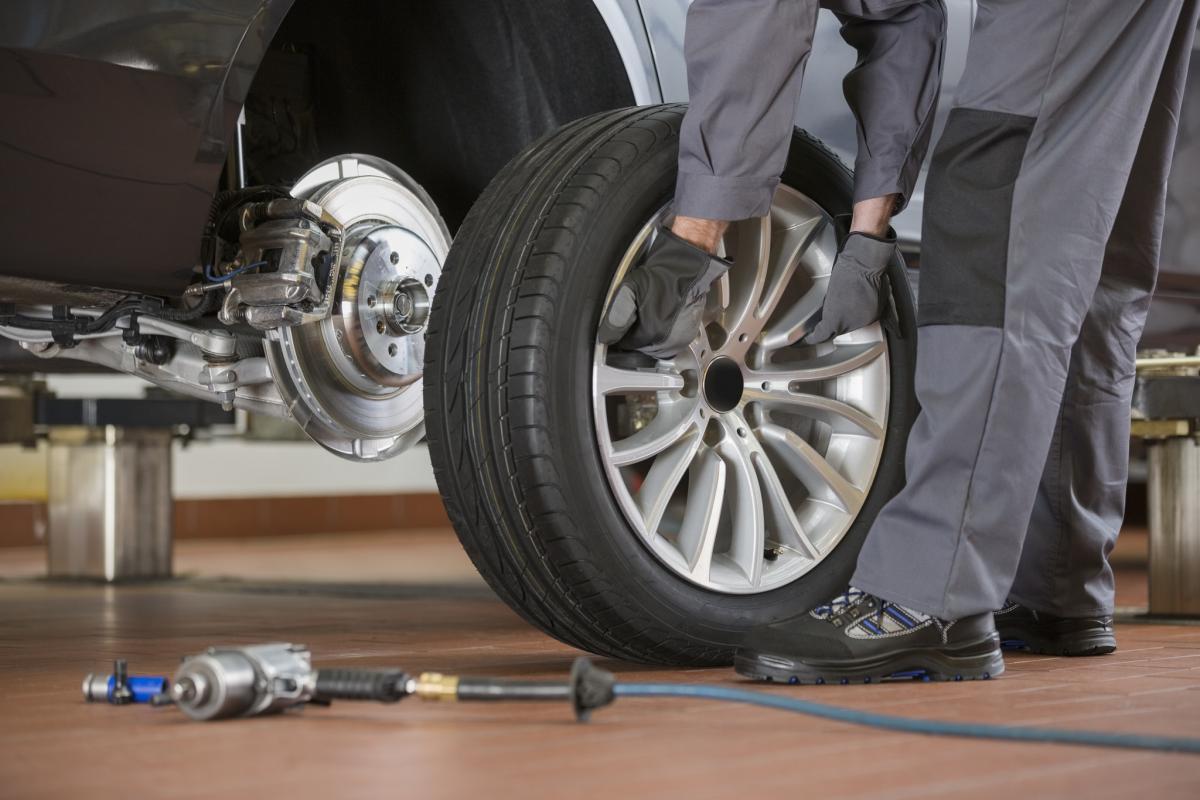
Tire rotation is the process of moving tires to different positions on your vehicle. Each tire gets moved systematically around your car’s wheel locations. The front tires wear faster due to steering and weight distribution issues. Your rear tires experience different wear patterns compared to front tires.
A typical tire rotation service involves moving each tire to a new position. This ensures all tires wear evenly across the entire tread surface. Most vehicle manufacturers recommend rotating tires every five thousand to eight thousand miles. Some newer vehicles can go up to ten thousand miles between rotations.
The main benefit of regular rotation is extending tire life considerably. When tires wear evenly, they maintain better grip and handling characteristics. Uneven tire wear happens quickly without proper rotation schedules. Bald spots develop faster on neglected tires, creating safety hazards.
Understanding Wheel Alignment and Its Purpose
Wheel alignment refers to adjusting your vehicle’s suspension angles precisely. These angles determine how your tires contact the road surface. Proper alignment ensures tires sit perpendicular to the ground. It also means your wheels point straight ahead when driving.
Your vehicle’s alignment consists of three main angle measurements. Camber angle controls the tilt of wheels when viewing from front. Toe angle determines whether wheels point inward or outward from center. Caster angle affects your vehicle’s steering stability during highway driving.
When alignment goes wrong, your tires suffer immediate and serious consequences. One wheel pointing slightly inward causes excessive wear on edges. This uneven wear develops much faster than normal tire degradation patterns. Professional alignment services realign your suspension to manufacturer specifications exactly.
Key Differences Between These Two Services
Tire rotation and wheel alignment address completely different vehicle problems entirely. Rotation manages how your tires wear over normal driving conditions. Alignment corrects how your wheels sit relative to your vehicle’s frame. One service involves physically moving tires to different positions.
The other service adjusts your vehicle’s suspension system with specialized equipment. Rotation requires basic equipment like a jack and lug wrench. Alignment needs sophisticated computerized systems that measure wheel angles precisely. Professional technicians use alignment racks to ensure accuracy within specified tolerances.
Tire rotation prevents uneven wear from happening in the future. Wheel alignment fixes problems caused by existing suspension misalignment issues. You can rotate tires yourself at home with basic tools available. Alignment requires professional equipment and trained technicians performing the work.
When Should You Get Tire Rotation Done?
Regular tire rotation prevents premature wear and extends tire lifespan significantly. Most manufacturers recommend rotation every five thousand to eight thousand miles. Your owner’s manual provides specific rotation intervals for your vehicle model. Following these guidelines helps maintain even tire wear patterns throughout use.
Some signs indicate you need rotation sooner than scheduled maintenance. Excessive wear appearing on one side of tires suggests rotation needs. Vibrations during highway driving might indicate uneven tire wear issues. Squealing sounds when turning could mean tires wear unevenly on edges.
Seasonal changes sometimes affect rotation frequency depending on your climate region. Winter tires and summer tires may have different rotation schedules. All-season tires typically follow the standard manufacturer rotation recommendations. Keeping rotation records helps track when your last service was performed.
When Do You Need Wheel Alignment Services?
Wheel alignment becomes necessary when your suspension angles drift from specifications. Several warning signs indicate your vehicle needs professional alignment work. Your vehicle pulling to one side during straight-line driving suggests misalignment problems. The steering wheel remaining off-center despite driving straight indicates suspension issues.
Uneven tire wear in a specific pattern often points to misalignment. Tires wearing more on inner edges suggest toe angle problems exist. Outer edge wear indicates different suspension angle problems need correction. Cupping or scalloping on tires shows serious suspension component wear happening.
Bad roads and potholes cause misalignment more frequently than driving habits. Accidents and collisions damage suspension components that affect alignment immediately. Worn suspension parts like ball joints cause alignment to drift gradually. Professional alignment checks should happen after hitting major road hazards.
The Connection Between Rotation and Alignment
While different services, rotation and alignment work together for tire health. Regular rotation combined with proper alignment keeps tires lasting longer. Misaligned wheels wear quickly despite regular rotation efforts by owners. Rotating tires on misaligned vehicles merely distributes damage more evenly.
Professional maintenance should include both services as part of your program. Your technician might notice alignment issues while performing rotation services. Some shops include alignment checks when customers request tire rotation work. Addressing both issues ensures your tires perform optimally for safety.
Cost Considerations for Both Services
Tire rotation typically costs between twenty and fifty dollars per service. The cost varies based on your vehicle type and service location. Some shops offer rotation services free with tire purchases from them. Dealerships sometimes include rotation as part of warranty programs.
Wheel alignment costs range from one hundred to three hundred dollars typically. Four-wheel alignments cost more than two-wheel front-end alignments. High-end vehicles with advanced suspension systems require specialized equipment and expertise. Some alignment issues require suspension repairs before actual alignment work begins.
Investing in preventive maintenance saves money compared to replacing damaged tires. Neglecting rotation and alignment causes premature tire failure eventually. Buying new tires prematurely costs far more than maintenance services. Regular maintenance maintains your vehicle’s resale value substantially over time.
How Often Should You Check Your Alignment?
Alignment should be checked at least once yearly for safety. Some experts recommend checking alignment twice annually if driving extensively. After any accident, professional alignment inspection becomes absolutely necessary immediately. Hitting large potholes warrants alignment checks at your nearest service facility.
Your alignment drifts gradually over time with normal road conditions. Checking alignment prevents major damage from developing without your knowledge. Professional alignment centers recommend checks every twelve thousand miles driven. Combining alignment checks with tire rotation maximizes your vehicle’s tire life.
Conclusion
Tire rotation and wheel alignment serve distinct but equally important roles. Rotation keeps tires wearing evenly while you drive your vehicle. Alignment ensures your suspension angles keep your tires performing optimally. Both services prevent premature tire failure and unsafe driving conditions.
Regular tire rotation service maintains even wear and extends tire lifespan. Professional wheel alignment keeps your vehicle handling correctly and safely. Together, these maintenance tasks protect your investment in quality tires. Neglecting either service leads to expensive tire replacement within months.
Following your vehicle manufacturer’s recommendations keeps both services properly scheduled. Working with trusted professionals ensures your vehicle receives quality maintenance consistently. Combining these services into your regular maintenance routine saves money long term. Your safety and tire longevity depend on proper vehicle maintenance.