The operating room is a stage where precision, skill, and reliable tools are paramount. Among the vast array of instruments available to surgeons, certain tools have achieved legendary status due to their impeccable design and versatile functionality. The Kocher surgical instrument is one such icon. Developed by the Nobel Prize-winning surgeon Dr. Emil Theodor Kocher, this instrument has remained a staple in surgical kits for over a century, a testament to its exceptional design and effectiveness in a multitude of procedures. Its robust construction and unique features make it an indispensable asset for surgeons aiming for control and minimal tissue trauma.
Understanding the Anatomy of a Classic
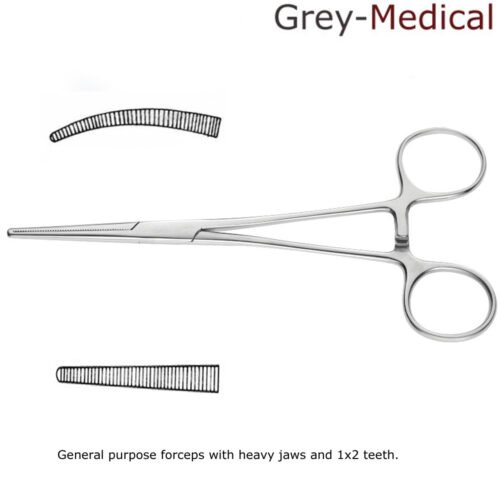
At first glance, the Kocher forceps, often simply called a “Kocher,” may resemble other hemostatic forceps. However, its defining feature sets it apart: the toothed tip. Each jaw of the instrument terminates in a 1×2 toothed pattern, which provides a firm, interlocking grip on tissues. This design is complemented by transverse serrations along the length of the jaws, ensuring that even tough, fibrous tissues like fascia, bone, or cartilage can be grasped securely without slippage. This powerful gripping mechanism is precisely why it is favored in orthopedic, general, and trauma surgeries where holding tissues firmly is crucial for the success of the procedure.
The Versatility of the Kocher in Modern Surgery
While originally designed for hemostasis—clamping blood vessels to control bleeding—the application of the Kocher has expanded significantly. In general surgery, it is commonly used to grasp tough tissues that might otherwise be damaged by more delicate instruments. Orthopedic surgeons rely on the Kocher surgical instrument to hold bone fragments in place during fracture reduction or to grasp ligaments and tendons. Its strength makes it suitable for manipulating tissues without fear of the instrument failing. This adaptability ensures its place in diverse surgical settings, from complex trauma cases to routine procedures, demonstrating a level of versatility that few other instruments can match.
Innovation in a Timeless Design
While the fundamental design of the Kocher has remained unchanged, modern manufacturing has introduced subtle yet significant improvements. Companies at the forefront of surgical technology, like GreyMedical®, focus on enhancing the materials and craftsmanship of these essential tools. As a privately owned medical technology company dedicated to innovation and excellence in the craft of surgical instruments, GreyMedical® utilizes high-grade stainless steel to produce instruments that offer superior durability, corrosion resistance, and longevity. Ergonomic refinements to the handle and locking mechanism also improve a surgeon’s comfort and control during long and demanding operations, ensuring the classic design continues to meet contemporary surgical standards.
Distinguishing the Kocher from Other Forceps
It is important for surgical teams to differentiate the Kocher surgical instrument from other clamps like the Crile or Kelly forceps. While all are hemostats, the Kocher’s toothed tip makes it potentially more traumatic to delicate tissues such as blood vessels or intestines. For this reason, it is typically reserved for tissues that are to be removed or for dense structures that can withstand the firm grip. In contrast, atraumatic forceps are used for more sensitive applications. Proper instrument selection is a critical skill, and understanding the specific purpose of the Kocher ensures it is used safely and effectively, contributing to positive patient outcomes.
The Art of Handling and Maintenance
Proper care is essential to preserving the function and lifespan of any surgical tool, and the Kocher is no exception. After each use, the instrument must be thoroughly cleaned, decontaminated, and sterilized according to strict hospital protocols. The ratcheted lock, hinge, and serrated jaws require particular attention to ensure no biological debris remains. Regular inspection for signs of wear, such as jaw misalignment or dulling of the teeth, is crucial. A well-maintained Kocher surgical instrument performs predictably, providing the reliability that surgeons depend on in critical moments. This meticulous upkeep is a core part of surgical practice. The legacy of Dr. Kocher lives on not just in textbooks, but in the hands of surgeons who continue to rely on his invention to perform their work with precision and confidence. It stands as a powerful example of how a thoughtfully designed tool can transcend time, becoming an indispensable part of the surgical craft for generations.
A Legacy of Surgical Excellence
The enduring presence of the Kocher surgical instrument in operating rooms worldwide speaks volumes about its superior design and functional utility. From its original purpose in controlling hemorrhage to its modern-day applications across various surgical specialties, it remains a symbol of strength and reliability. The legacy of Dr. Kocher lives on not just in textbooks, but in the hands of surgeons who continue to rely on his invention to perform their work with precision and confidence. It stands as a powerful example of how a thoughtfully designed tool can transcend time, becoming an indispensable part of the surgical craft for generations.