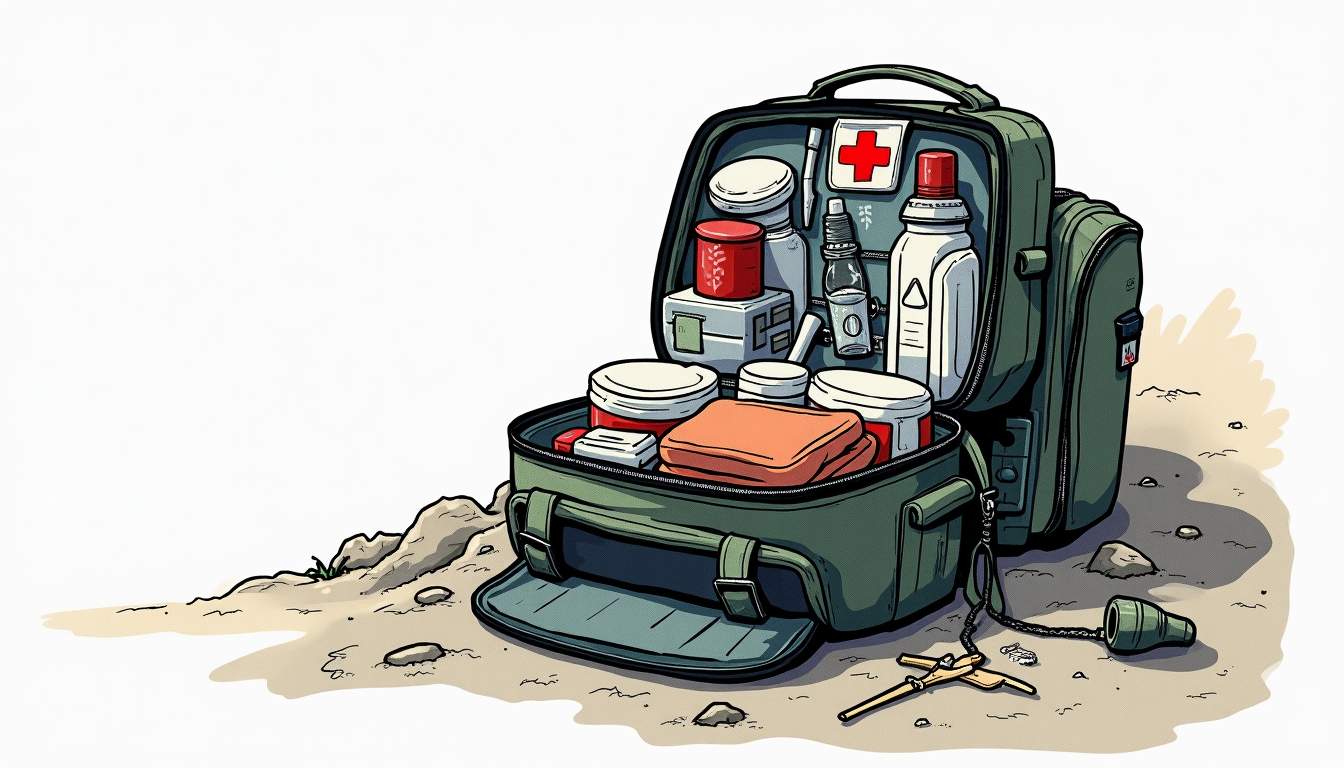
When seconds count and the environment is hostile, the difference between life and death often hinges on the gear at hand. Tactical medical bags are more than just containers for supplies-they are lifelines engineered for chaos. Whether on the battlefield, during a rescue mission, or in law enforcement operations, these bags must be ready to deliver critical care under pressure.
What Makes a Medical Bag Tactical?
Not every first aid kit qualifies as tactical. A tactical medical bag is designed with ruggedness, accessibility, and organization in mind. It’s built to withstand harsh conditions—dust, water, rough handling—and still keep its contents secure and ready. These bags are often employed in various scenarios, from military operations to outdoor adventures, where the environment can be unpredictable and challenging. The ability to rely on a bag that can endure such conditions is paramount for those who need to provide immediate medical assistance.
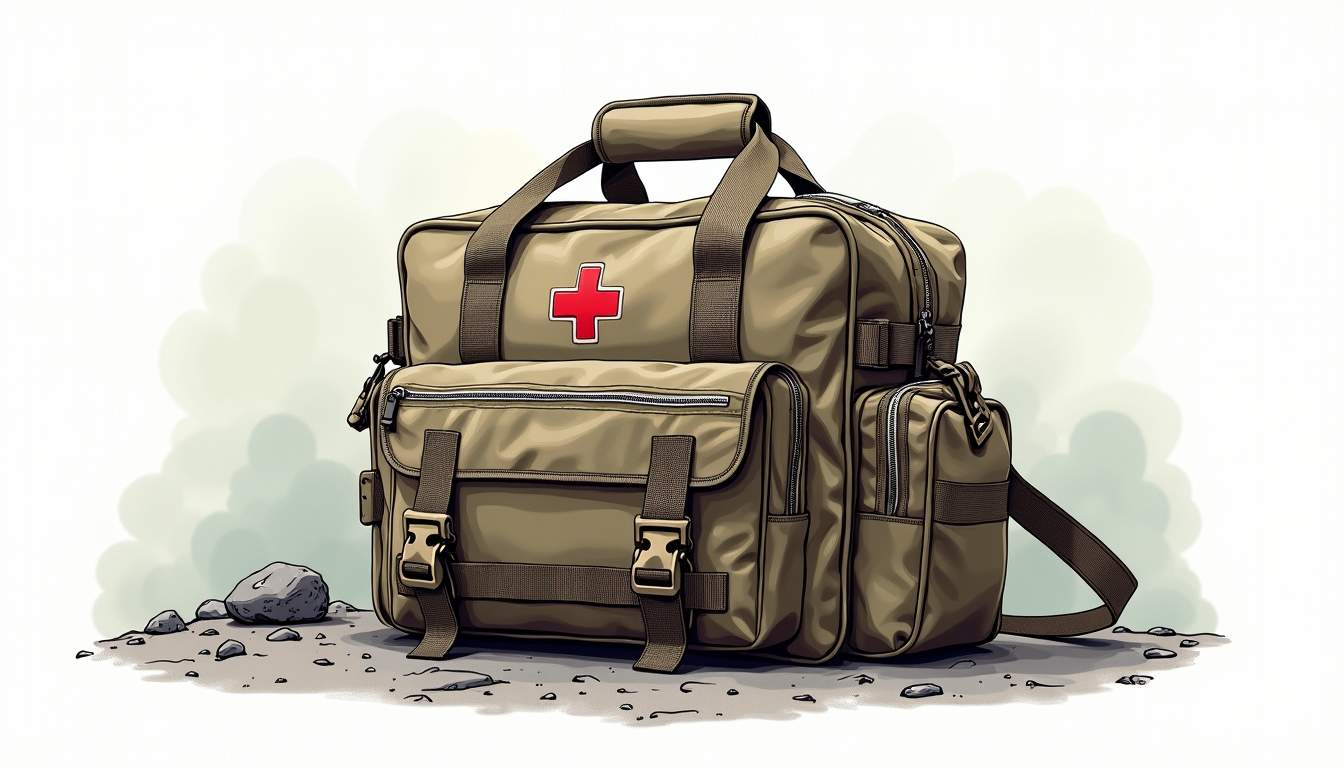
Size and weight are crucial factors. The bag needs to be compact enough to carry easily but spacious enough to hold essential medical gear. Modular compartments and customizable pouches allow medics to arrange supplies logically, speeding up response times when every second matters. In addition, many tactical bags come equipped with external attachment points for items like water bottles or tools, ensuring that all necessary equipment is within arm’s reach without compromising the bag’s portability.
Durability and Materials
Most tactical medical bags are made from high-denier nylon or Cordura fabric, materials known for their tear resistance and water repellency. Reinforced stitching and heavy-duty zippers ensure the bag can endure rough use without falling apart. Some bags feature MOLLE (Modular Lightweight Load-carrying Equipment) webbing, enabling users to attach additional pouches or tools externally. This adaptability allows for a customizable setup tailored to specific missions or environments, whether it’s a remote wilderness trek or an urban emergency response. Furthermore, many tactical bags are treated with UV-resistant coatings to prevent fading and degradation from prolonged sun exposure, making them suitable for extended outdoor use.
Accessibility and Organization
In high-stress situations, fumbling through a disorganized bag wastes precious time. Tactical medical bags often include color-coded compartments or removable panels. This system allows medics to quickly locate trauma dressings, airway tools, or medications. Clear labeling and transparent pockets further enhance visibility, helping teams maintain order even in the chaos. Additionally, some bags incorporate quick-access features, such as pull tabs or zippers that can be opened with one hand, allowing for swift retrieval of critical supplies while keeping the other hand free for patient care. The thoughtful design of these bags reflects a deep understanding of the urgent nature of medical emergencies, where every detail can make a significant difference in patient outcomes. Learn more about these innovative solutions from FlareSyn by visiting the following link: https://flaresyn.com/
Essential Contents of Tactical Medical Bags
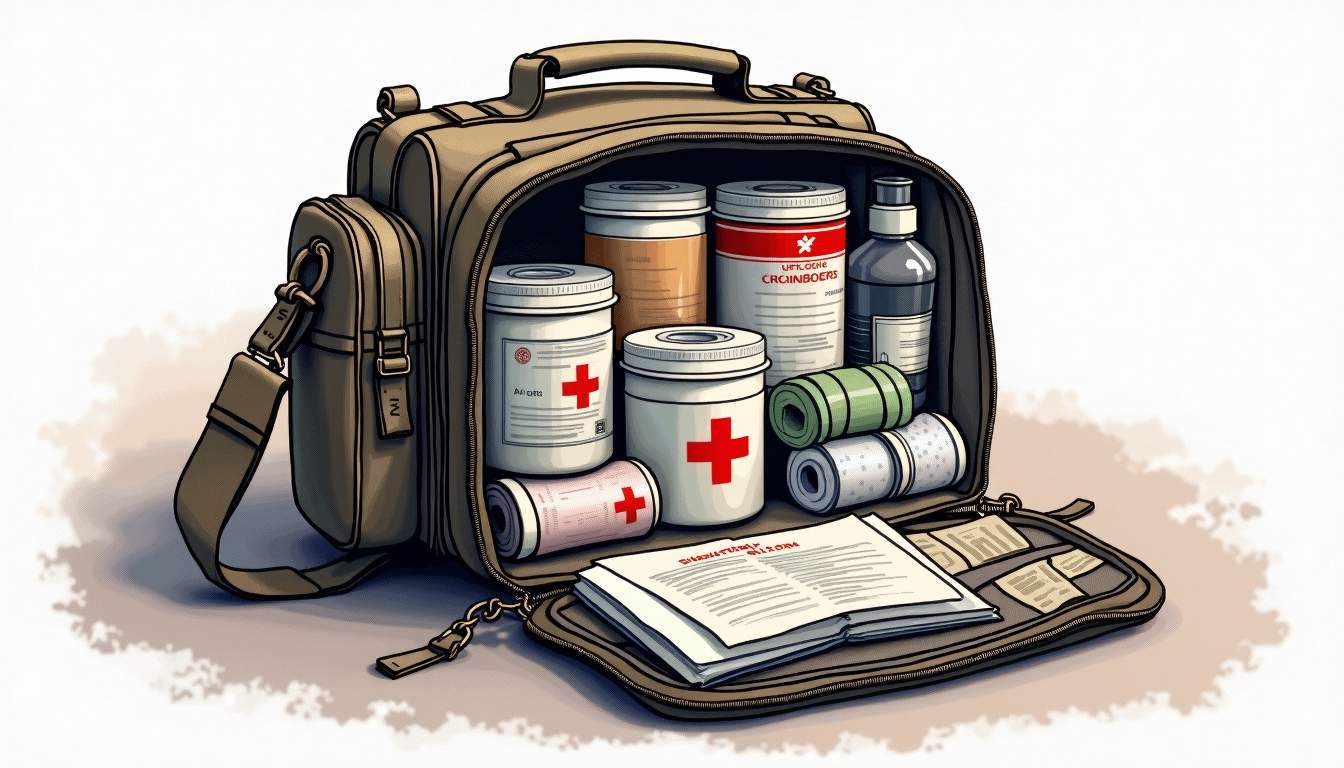
What goes inside these bags depends on the mission and the team’s expertise. However, certain items are universally critical for managing trauma and stabilizing patients before evacuation.
Hemorrhage Control
Uncontrolled bleeding is the leading cause of preventable death in trauma cases. Tactical bags typically carry tourniquets, hemostatic dressings, and pressure bandages. Tourniquets must be reliable and easy to apply with one hand. Hemostatic agents, which promote rapid clotting, are vital for wounds that can’t be controlled by pressure alone. In addition to these essentials, some tactical bags may also include advanced clotting agents like QuikClot or Celox, which can be applied directly to a wound to accelerate the clotting process. The effectiveness of these agents can be critical in life-threatening situations where every second counts, making them a valuable addition to any tactical medical kit.
Airway Management
Maintaining an open airway is fundamental. Basic tools like nasopharyngeal airways (NPA) and oropharyngeal airways (OPA) are standard. More advanced kits might include bag-valve masks (BVM) for ventilation support or even portable suction devices to clear obstructions. Additionally, some tactical medical bags may contain advanced airway management tools such as endotracheal tubes and laryngoscopes, which are essential for securing the airway in more complex cases. These tools require specialized training to use effectively, but they can provide critical support in situations where a patient is unable to breathe on their own, highlighting the importance of comprehensive training for all team members.
Breathing and Circulation Support
Chest seals for penetrating chest wounds, needle decompression kits for tension pneumothorax, and IV fluids or intraosseous access devices for fluid resuscitation are often part of the loadout. These interventions require training but can be lifesaving in the field. Furthermore, some tactical medical bags may also include portable defibrillators or automated external defibrillators (AEDs), which can be crucial for managing cardiac arrest situations. The ability to quickly assess and respond to a patient’s cardiac needs can significantly improve survival rates, making these devices an invaluable component of modern tactical medical response.
Medications and Miscellaneous Supplies
Medications such as pain relievers, epinephrine auto-injectors for allergic reactions, and antibiotics may be included depending on protocols. Other essentials include gloves, trauma shears, splints, thermal blankets, and antiseptics. Each item serves a specific purpose, contributing to a comprehensive trauma care system. Additionally, some tactical medical bags are equipped with advanced diagnostic tools like pulse oximeters and blood glucose monitors, which allow medics to quickly assess a patient’s vital signs and metabolic state. This information can be critical in determining the appropriate course of treatment, especially in high-stress environments where time is of the essence. The inclusion of these diagnostic tools underscores the evolving nature of tactical medicine, where technology and training converge to enhance patient outcomes in the field.
Choosing the Right Tactical Medical Bag for Your Team
Every team has unique needs based on their operational environment, skill levels, and mission profiles. Selecting the right bag means balancing capacity, portability, and the ability to customize.

Assessing Mission Requirements
Urban law enforcement units might prioritize compact bags that fit easily into vehicles or on vests, while military medics may need larger packs capable of supporting multiple casualties over extended periods. Search and rescue teams operating in wilderness settings often require waterproof bags with space for additional survival gear. Additionally, specialized teams such as those responding to natural disasters might look for bags that can accommodate a variety of medical supplies, including advanced trauma kits and equipment for treating injuries in challenging conditions. Understanding the specific scenarios your team may face can guide you in selecting a bag that meets those demands effectively.
Modularity and Customization
The best tactical medical bags offer modular designs. Removable inserts and adjustable compartments let teams tailor the setup to their preferences. This flexibility also aids in restocking and inventory management, ensuring the bag is always mission-ready. Some bags even come with color-coded inserts or compartments that allow for quick identification of supplies under stress, which can be crucial in high-pressure situations. Furthermore, the ability to add or remove pouches as needed means that teams can adapt their gear for different missions without the need to invest in entirely new bags for each operation.
Comfort and Carry Options
Since medics often carry these bags for long durations, ergonomic design matters. Padded straps, adjustable harnesses, and multiple carry options (backpack, shoulder bag, chest rig) reduce fatigue and improve mobility. Ventilation features help keep the wearer comfortable in hot environments. Additionally, some bags include features like load-bearing belts or hip straps that distribute weight more evenly, allowing for greater stability while on the move. This is particularly important for teams that may need to traverse uneven terrain or navigate through tight spaces quickly, ensuring that medics can focus on their critical tasks rather than being hindered by their gear.
Training and Maintenance: Keeping the Bag Ready
Having a well-stocked tactical medical bag is only half the battle. Teams must train regularly on the use of the equipment and maintain the bag to ensure everything functions correctly when needed.
Regular Drills and Familiarization
Training builds muscle memory. Teams should practice applying tourniquets, managing airways, and performing other critical interventions using the actual gear. This hands-on experience reduces hesitation and errors during real emergencies.
Inventory Checks and Restocking
Medical supplies have expiration dates and can degrade over time. Routine inspections help identify expired or damaged items. Restocking protocols ensure that after every use, the bag is replenished promptly. Keeping a checklist simplifies this process and prevents critical shortages.
Cleaning and Care
After exposure to dirt, blood, or moisture, cleaning the bag and its contents is essential. Proper sanitation prevents contamination and extends the lifespan of the equipment. Following manufacturer guidelines for cleaning materials and tools preserves their integrity.
Innovations Shaping the Future of Tactical Medical Bags
Technology continues to enhance how tactical medical bags are designed and used. New materials, smart features, and integrated systems are making these bags more efficient and effective.
Smart Storage Solutions
Some bags now incorporate RFID tagging and inventory management apps. These systems track supplies digitally, alerting teams when items are low or expired. This reduces human error and streamlines readiness checks.
Advanced Materials
Lightweight, antimicrobial fabrics improve durability and hygiene. Waterproof zippers and sealed compartments protect sensitive equipment from environmental damage. Innovations in fabric technology also enhance comfort for the wearer.
Integrated Medical Devices
Compact diagnostic tools, such as portable ultrasound or vital sign monitors, are beginning to find their way into tactical kits. These devices provide real-time data, helping medics make informed decisions quickly. Power sources and cable management are being optimized for field use.
Final Thoughts
Tactical medical bags are indispensable for teams operating in high-risk scenarios. They are carefully engineered to deliver critical care under pressure, combining durability, organization, and functionality. Selecting the right bag, stocking it with essential supplies, and maintaining it through regular training and checks ensures medics are prepared when the situation demands it.
Investing in quality tactical medical gear isn’t just about equipment-it’s about saving lives.