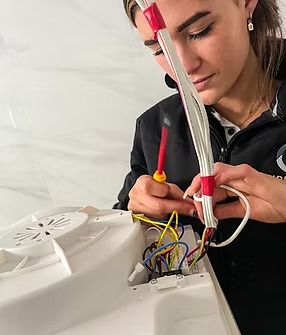
Electricity is something every household relies on, from the morning coffee machine to the evening lights that help you unwind. It powers the comfort and convenience we enjoy daily. But even though we depend on it so much, most electrical systems stay hidden behind walls, switches, and outlets. This means problems can go unnoticed until something goes seriously wrong.
For homeowners across New South Wales, recognising the early signs of electrical trouble is essential. It helps prevent safety hazards, avoids expensive repairs, and ensures your home stays protected. The good news is that many electrical issues show clear warning signs long before they become dangerous, you just need to know what to look for.
Why Early Detection Makes a Big Difference
Electrical problems rarely appear suddenly. In many homes, the trouble begins quietly. Maybe your lights flicker occasionally, or you hear a faint buzzing sound from an outlet. You might dismiss these as “normal,” but they’re often early symptoms of real electrical faults.
Understanding these signs matters because early action can:
- Reduce the risk of electrical fires
- Prevent shocks and injuries
- Protect appliances from damage
- Save money on major repairs
- Keep your home compliant and safe
Whether you live in a new house or an older property, electrical issues can develop over time, so staying observant is key.
Common Early Signs of Electrical Problems
1. Flickering, Dimming, or Unstable Lights
If your lights flicker when you plug in an appliance or randomly dim throughout the day, this can indicate:
- Outdated or damaged wiring
- Overloaded circuits
- Loose electrical connections
- Problems in your switchboard
- While one flicker isn’t alarming, consistent flickering should always be checked.
2. Strange Noises From Outlets or Switches
Electricity should run silently. If you hear buzzing, crackling, or humming, it usually means:
- Loose wiring
- Faulty switches
- Ageing components
- Issues behind the wall
These noises often indicate heat buildup, which can lead to dangerous outcomes if ignored.
3. Burning Smells or Discoloured Outlets
A burning smell is one of the most serious warning signs. If you notice:
- A plastic-like burning odour
- Yellow or brown scorch marks
- Warm or hot outlets
turn off the power immediately at the switchboard. These symptoms often suggest overheating and can lead to electrical fires.
4. Circuit Breakers That Trip Too Often
Circuit breakers protect your home by shutting off power when a problem occurs. But if they’re tripping every few days, it’s a sign of:
- Overloaded circuits from too many appliances
- Damaged wiring
- Faulty electrical components
- A bigger underlying issue
Frequent tripping should always be investigated by a qualified electrician.
5. Faulty or Loose Power Outlets
If your outlets:
- Don’t hold plugs securely
- Work only sometimes
- Spark when plugging in devices
they’re unsafe and need immediate attention. Loose outlets can cause arcs, tiny sparks that lead to heat and fire risks.
6. Mild Electrical Shocks
Even a small “tingle” when you touch an appliance, switch, or tap can indicate:
- Poor grounding
- Damaged wiring
- Incorrectly installed appliances
This is never normal. Call a professional right away to identify the source of the shock.
7. Overheating Appliances or Switchboards
If appliances heat up unusually fast or your switchboard feels warm, it may be because:
- Your electrical load is too high
- Your wiring can’t keep up
- Your switchboard is outdated
Many NSW homes still have old fuse boxes that aren’t designed for today’s high-power usage.
When Should You Call an Electrician?
As simple as some signs may seem, electrical problems should never be handled as a DIY project. Safety must always come first. When looking for trusted local support, many homeowners search for the best electrician Box Hill to ensure they receive professional and dependable service. If you notice anything unusual, smells, sparks, flickering, or warmth around outlets, call an electrician immediately. Acting early keeps your home safe and prevents further damage.
Everyday Habits to Keep Your Home Electrically Safe
You don’t need to be a professional to keep your home’s electrical system healthy. Here are some simple habits:
- Test smoke alarms every month
- Replace damaged cords or plugs
- Avoid overloading power boards
- Keep appliances clean and dust-free
- Schedule routine electrical inspections
- Ensure outdoor outlets have proper weatherproofing
- Upgrade old wiring and switchboards when recommended
These small actions go a long way in making your home safer.
Conclusion
Electrical problems might start quietly, but their effect can be dangerous and costly if ignored. By learning how to recognise early signs and taking action quickly, you’re protecting your home, your family, and your peace of mind.
When you need safe, reliable, and friendly electrical services, Gold Electrical Services is a trusted choice for homeowners. With expert technicians, clear communication, and a strong focus on safety, they’re here to keep your home powered, protected, and running smoothly all year round. If you’re noticing any electrical issues, contact professionals for fast, friendly and expert support you can rely on.