Picture walking into a space where every detail feels intentional-where beauty doesn’t just catch your eye but also serves a purpose. This is the magic of seamlessly integrating form and function. It’s more than just making things look good; it’s about crafting experiences that work effortlessly while delighting the senses.
Why Form and Function Matter Together
Design has often been caught in a tug-of-war between aesthetics and usability. Some creations dazzle visually but frustrate in use. Others work flawlessly but leave you cold because they lack personality or style. The real challenge lies in balancing these two elements so that neither compromises the other.
When form and function unite, the result is intuitive, efficient, and pleasing. Think of a smartphone that fits perfectly in your hand, looks sleek, and offers a user interface so natural you barely notice it. Or a chair that supports your posture while adding elegance to a room. These examples show that good design isn’t just about how something looks or works—it’s about how it feels.
Consider the world of architecture, where the harmony of form and function is crucial. A well-designed building not only captivates the eye with its striking silhouette but also serves its inhabitants effectively. For instance, the Sydney Opera House is a masterpiece that marries stunning visual appeal with acoustic excellence, allowing it to host world-class performances while being a symbol of cultural identity. Such structures remind us that when aesthetics and practicality are woven together, they can elevate everyday experiences into something extraordinary.
Moreover, the importance of this balance extends beyond physical objects to digital experiences as well. In web design, a visually stunning site that is difficult to navigate can lead to user frustration and abandonment. Conversely, a straightforward, functional site that lacks visual engagement may fail to capture attention. The best websites strike a balance, using thoughtful layouts, engaging graphics, and intuitive navigation to create an experience that is not only easy to use but also enjoyable. This synergy between form and function is what keeps users coming back, making them feel valued and understood.
Designing Spaces That Speak
The Power of Architecture and Interior Design
Architecture is the grand stage where form and function perform together. Take the Guggenheim Museum in New York. Its spiraling ramp is not only a stunning visual statement but also a functional way to guide visitors through the art. The building itself becomes part of the experience, with each curve and angle designed to evoke emotion and provoke thought. The interplay of light and shadow within its walls creates a dynamic atmosphere that changes throughout the day, inviting visitors to engage with the space in a unique way—an approach also reflected in bespoke interior concepts crafted by experts like Molecule Designs to explore their work, visit Molecule Designs, a London-based interior design studio known for tailored residential and commercial spaces.
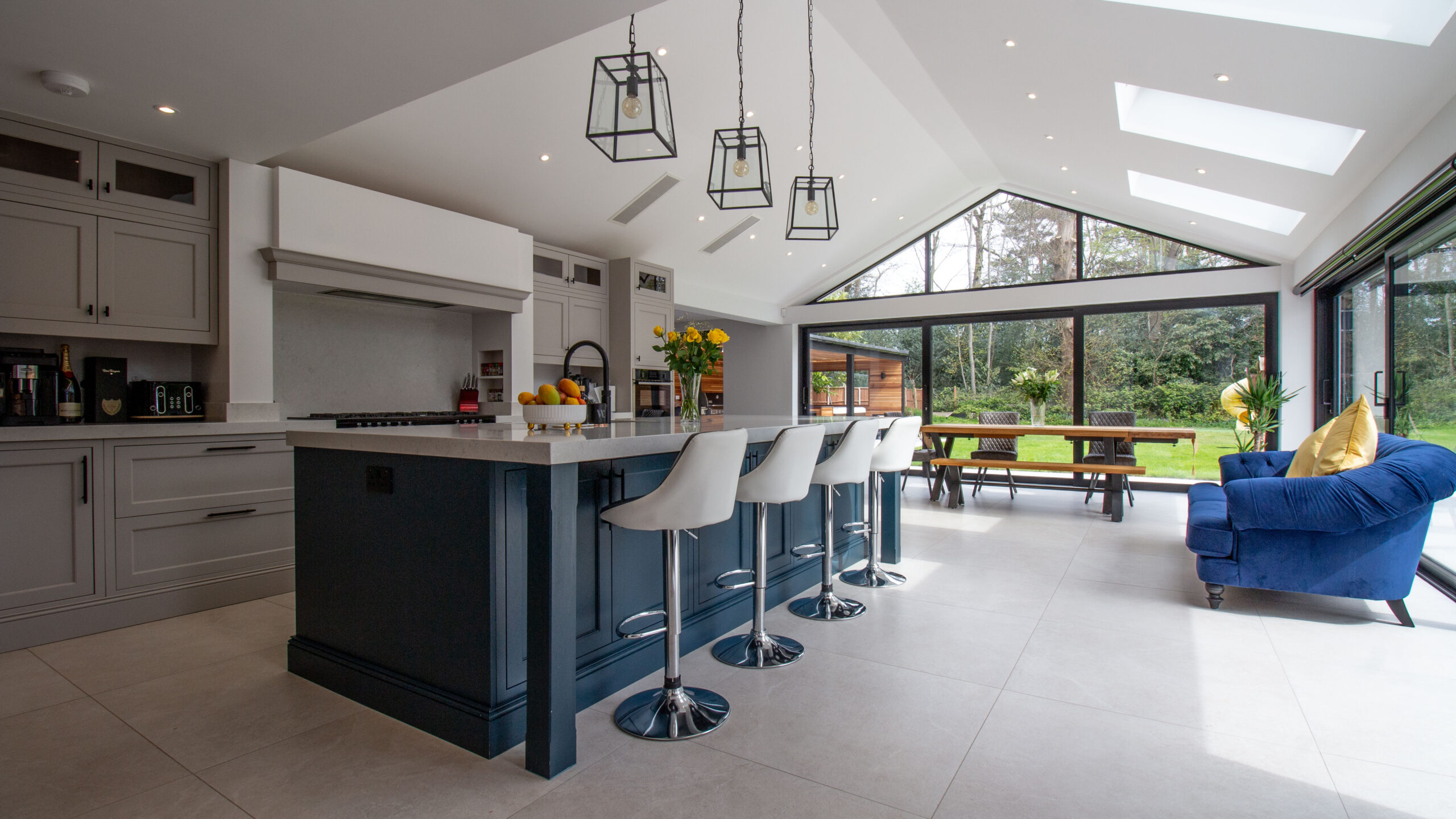
In homes and offices, this principle applies just as much. Open floor plans invite natural light and encourage social interaction, while carefully chosen materials add warmth and texture. The goal is to create environments that feel right and work well for daily life. Elements like biophilic design, which incorporates natural elements into the built environment, can further enhance well-being. Integrating plants, natural light, and organic materials not only beautifies a space but also promotes a sense of calm and connection to nature, which is increasingly important in our fast-paced lives.
Balancing Practicality and Style
Sometimes, the most striking designs come from constraints. Limited space, budget, or specific needs can push designers to innovate. For example, modular furniture adapts to different uses and spaces, blending practicality with modern aesthetics. It’s not just about fitting in; it’s about enhancing usability without sacrificing charm. This adaptability is particularly valuable in urban environments where square footage is at a premium. Designers are increasingly turning to multifunctional pieces that serve dual purposes, such as a coffee table that transforms into a dining table or a sofa that converts into a guest bed, ensuring that every inch is utilized effectively.
Moreover, the rise of smart home technology has opened new avenues for design innovation. Integrating technology seamlessly into the architecture and interior design allows for enhanced functionality and convenience. Imagine a living room where lighting, temperature, and even entertainment systems can be controlled with a simple voice command or a mobile app. This not only adds a layer of sophistication but also encourages a lifestyle that prioritizes comfort and efficiency. As designers continue to explore the intersection of technology and design, the possibilities for creating spaces that are both beautiful and functional are virtually limitless.
The Role of Technology in Harmonizing Form and Function
Smart Devices That Simplify Life
Technology has revolutionized how form and function come together. Smart home devices, for instance, combine sleek designs with powerful capabilities. Thermostats that learn your schedule, lighting systems controlled by voice, and security cameras that blend into décor all demonstrate this integration.
These gadgets don’t just perform tasks; they anticipate needs and adapt to lifestyles. The best designs disappear into the background, making life smoother without drawing attention to themselves. For example, smart refrigerators can monitor food inventory and suggest recipes based on what you have on hand, reducing food waste and making meal planning a breeze. Similarly, smart speakers can control other devices, play music, and even provide weather updates, all while fitting seamlessly into your home’s aesthetic.
Wearables: Fashion Meets Function
Wearable technology is another area where form and function collide beautifully. Fitness trackers and smartwatches have evolved from bulky gadgets to stylish accessories. Designers collaborate with tech engineers to create pieces that people want to wear every day, merging health monitoring with personal expression.
These devices are not just about tracking steps or heart rates; they often include features like customizable watch faces, interchangeable bands, and even fashion collaborations with renowned designers. This evolution has led to a new category of wearables that cater to both fitness enthusiasts and fashion-forward individuals, allowing users to express their personal style while staying connected to their health metrics. Furthermore, advancements in materials have led to the creation of lightweight, breathable fabrics that enhance comfort, making it easier to wear these devices throughout the day without sacrificing style.
Product Design: When Every Detail Counts
Ergonomics and Aesthetic Appeal
Product design is a playground for integrating form and function. Consider kitchen tools: a knife that fits comfortably in your hand and slices effortlessly, or a coffee maker that looks as good on the counter as the coffee tastes. These products succeed because they respect how people interact with them.
Ergonomics plays a huge role here. When designers understand human behavior and physical needs, they craft products that reduce strain and increase comfort. The aesthetic appeal then becomes the icing on the cake, making everyday objects enjoyable to use.
Minimalism: Less Is More
Minimalist design often exemplifies this integration. Stripping away the unnecessary forces a focus on essential functions, while clean lines and simple forms create timeless beauty. Apple’s product lineup is a prime example-devices that are visually striking yet incredibly intuitive.
Challenges in Achieving Seamless Integration
Conflicting Priorities and Compromises
Designers frequently face tough decisions. Sometimes, adding a feature complicates the interface or disrupts the visual flow. Other times, prioritizing looks might reduce durability or ease of use. Finding the sweet spot requires deep understanding of user needs and creative problem-solving.
Feedback loops and prototyping become invaluable. Testing ideas in real-world scenarios helps identify pain points and opportunities for refinement. The process is rarely linear but iterative, with each version bringing form and function closer together.
Cost and Material Limitations
Budget constraints and material choices also impact integration. High-end materials might offer both beauty and strength but come at a premium. Designers must weigh these factors against the intended audience and product lifespan. Sometimes, innovation in materials-like sustainable composites or advanced polymers-opens new doors.
Case Studies: Success Stories in Integration
The Tesla Model S
Electric cars have changed the automotive landscape, but Tesla’s Model S stands out for its blend of futuristic design and cutting-edge technology. Its sleek exterior hides a powerful electric drivetrain, while the minimalist interior centers around a large touchscreen that controls nearly every function. The car feels both luxurious and practical, redefining expectations for electric vehicles.
Muji’s Approach to Everyday Objects
Muji, the Japanese lifestyle brand, champions simplicity and utility. Their products-from stationery to furniture-are designed to be unassuming yet highly functional. The clean lines and neutral colors allow items to fit seamlessly into any environment, proving that understated design can be both beautiful and useful.
Future Trends in Form and Function
Biophilic Design and Sustainability
Integrating nature into design is gaining momentum. Biophilic design emphasizes natural light, organic shapes, and materials that connect people to the environment. This approach enhances well-being while serving practical needs like energy efficiency and air quality.
Sustainability is also driving innovation. Designers are exploring recycled materials, modular components, and products designed for easy repair or recycling. The goal is to create items that not only look and work well but also minimize environmental impact.
Adaptive and Personalized Design
Advances in AI and manufacturing technology are enabling products and spaces to adapt to individual users. Furniture that adjusts to posture, apps that customize interfaces based on behavior, and buildings that respond to occupancy patterns are becoming more common. This personalization enhances both comfort and efficiency, pushing the boundaries of integration.
Bringing It All Together
Seamless integration of form and function isn’t about choosing one over the other. It’s about creating harmony where design enhances usability and usability elevates design. Whether in architecture, technology, or everyday products, this balance transforms how people experience the world around them.
Designers who master this integration craft solutions that feel natural and effortless. They understand that beauty without purpose is hollow, and function without style is forgettable. The best designs invite interaction, inspire emotion, and improve life-quietly, elegantly, and without compromise.