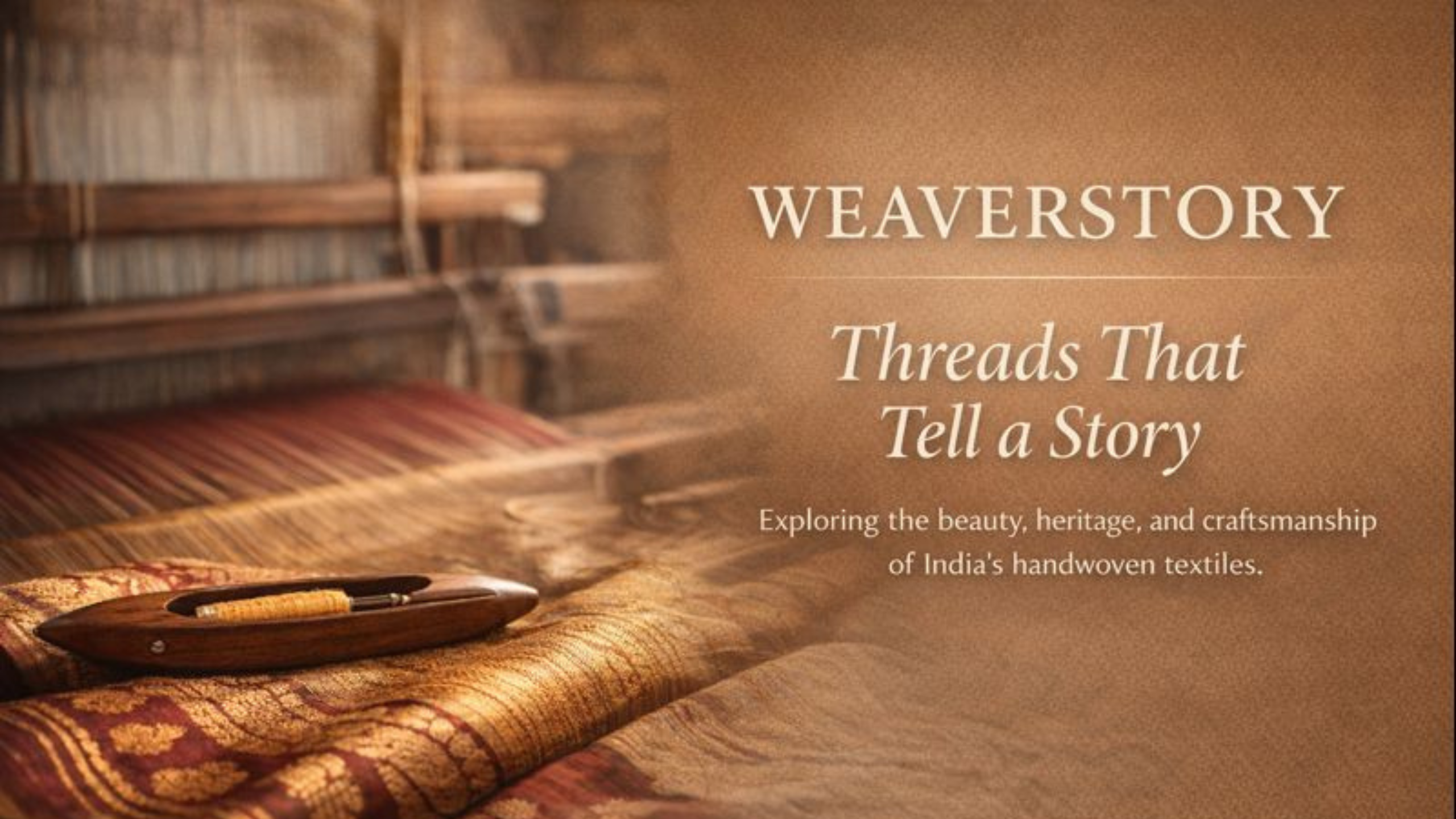
Handwoven sarees have long been an inseparable part of India’s cultural and artistic identity. More than garments, they represent centuries of tradition, regional craftsmanship, and human dedication. Each saree is the result of countless hours spent at the loom, where skill, patience, and heritage come together to create something timeless. In today’s fast-fashion era, handwoven sarees continue to stand strong as symbols of authenticity, sustainability, and enduring elegance, making them relevant for both ceremonial and contemporary lifestyles.
The Deep-Rooted Tradition of Handloom Weaving in India
India’s handloom tradition dates back thousands of years, with references found in ancient scriptures, sculptures, and trade records. Different regions developed unique weaving styles influenced by local materials, climate, and cultural beliefs. These textiles were once highly valued commodities, traded across continents and patronized by royal courts and temples. Over generations, weaving knowledge was passed within families, preserving not just techniques but also stories and social values. This continuity has allowed handwoven sarees to remain living traditions rather than historical artifacts.
Banarasi Sadi and Its Historic Grandeur
The banarasi sadi is one of the most celebrated examples of India’s weaving excellence. Originating from the ancient city of Varanasi, this saree is known for its luxurious silk base and elaborate zari work. The designs are often inspired by Mughal aesthetics, featuring intricate floral patterns, paisleys, and ornate borders that give the saree a regal presence. Traditionally worn during weddings and grand ceremonies, the Banarasi sadi has become synonymous with prosperity, tradition, and timeless sophistication.
The Intensive Craftsmanship Behind Banarasi Weaves
Creating a Banarasi sadi is a painstaking process that demands exceptional expertise. Artisans work on traditional handlooms, carefully interlacing fine silk threads with gold or silver zari to produce detailed motifs. Every stage, from dyeing the yarn to setting the loom and weaving the pattern, requires precision and experience. Depending on the complexity of the design, a single saree can take weeks or even months to complete. This labor-intensive process results in a textile that is rich in detail, durable in quality, and worthy of being passed down as an heirloom.
Chanderi Sarees and Their Subtle, Refined Appeal
Chanderi sarees are admired for their lightweight texture, gentle sheen, and graceful drape. Discussions around pure chanderi silk sarees price often reflect an appreciation for the fine balance these sarees strike between craftsmanship and wearability. Woven in Madhya Pradesh, Chanderi sarees use fine silk yarns to create fabrics that are breathable and comfortable. Their understated elegance makes them suitable for both everyday wear and formal occasions, appealing to those who value simplicity with sophistication.
The Artistic Identity of Chanderi Weaving
Chanderi weaving focuses on finesse rather than opulence. Artisans aim to achieve translucence and smooth texture, allowing the natural luster of the silk to shine through. Traditional motifs such as coins, florals, and geometric patterns are woven delicately, often enhanced with minimal zari accents. This restrained design philosophy highlights the weaver’s skill, as creating elegance through simplicity requires exceptional control and precision. The result is a saree that feels light, looks refined, and remains versatile across generations.
Comparing Heavy and Lightweight Handwoven Sarees
Handwoven sarees vary significantly in weight, texture, and visual impact. Heavier sarees with dense weaving and elaborate designs are often chosen for weddings, receptions, and evening celebrations. Lightweight sarees, on the other hand, are preferred for daytime events, professional settings, and long hours of wear. Climate also influences choice, as breathable fabrics are more practical in warmer regions. Understanding these differences helps wearers select sarees that align with both comfort and occasion without compromising on cultural value.
The Cultural and Emotional Worth of Handwoven Sarees
Beyond their physical beauty, handwoven sarees carry deep emotional significance. They are often associated with important life moments such as marriages, festivals, and family traditions. Many sarees are preserved and passed down through generations, becoming carriers of memories and stories. This emotional attachment adds to their value, making them far more meaningful than mass-produced clothing. Wearing a handwoven saree becomes an act of honoring heritage and maintaining a connection to the past.
Caring for Handwoven Sarees to Preserve Their Beauty
Proper care is essential to maintain the longevity of handwoven sarees. Gentle cleaning methods help protect delicate fibers and intricate zari work, while careful folding prevents creasing and damage. Storing sarees in breathable conditions and avoiding prolonged exposure to moisture or harsh sunlight helps preserve their color and texture. With mindful maintenance, handwoven sarees can remain elegant and wearable for decades, reinforcing their status as long-term investments.
Conclusion
Handwoven sarees represent the soul of India’s textile heritage, blending history, artistry, and human dedication into every thread. Their enduring appeal lies in their ability to remain relevant while preserving cultural identity. Choosing handwoven sarees is not just a fashion decision but a celebration of craftsmanship, sustainability, and tradition. These sarees stand as timeless expressions of elegance, carrying forward the legacy of skilled artisans and the stories woven into each design.
Frequently Asked Questions
Why are handwoven sarees considered valuable?
They are made by skilled artisans using traditional techniques, resulting in unique designs, superior craftsmanship, and cultural significance.
Are handwoven sarees suitable for modern lifestyles?
Yes, their variety in weight and design makes them suitable for both everyday wear and special occasions.
How long can a handwoven saree last with proper care?
With gentle cleaning and careful storage, a handwoven saree can last for many years and often become a cherished heirloom.