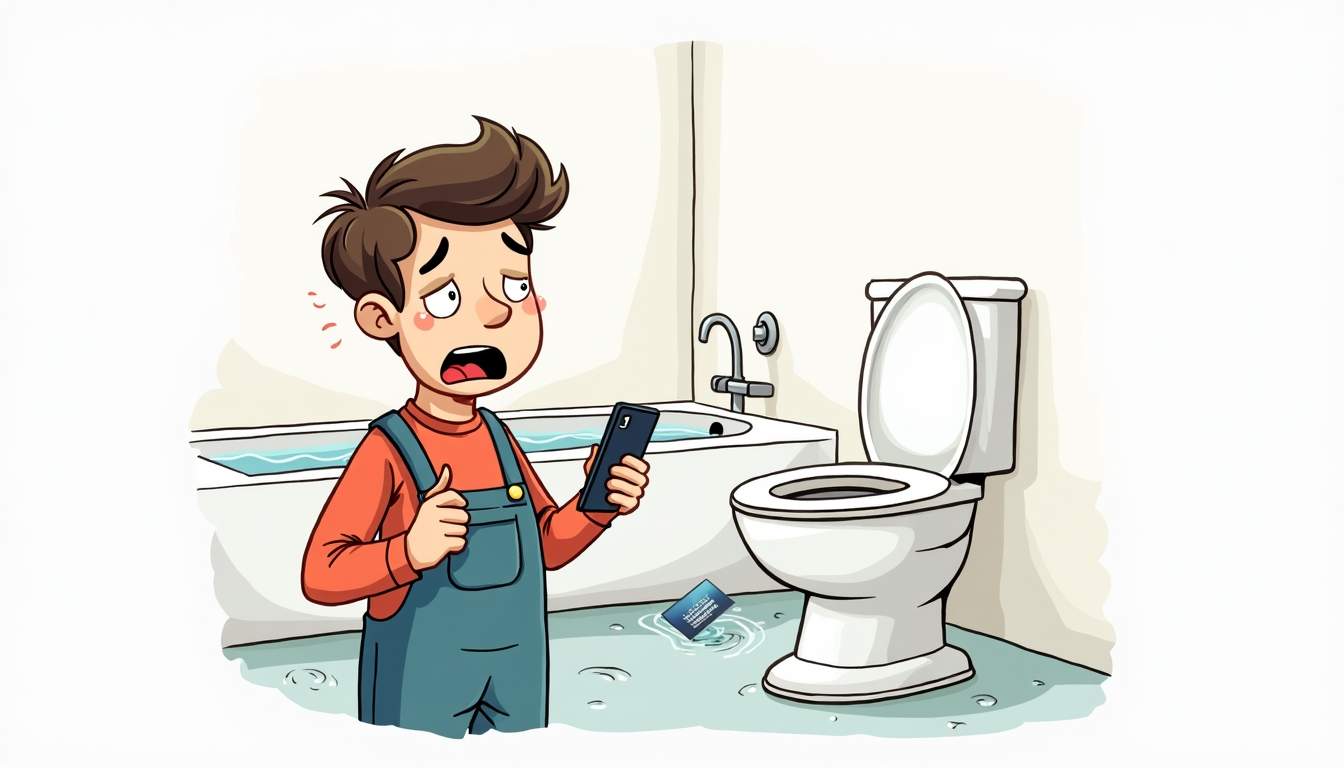
Few things disrupt a household routine quite like a clogged bathtub or toilet. The inconvenience is immediate, and the mess can quickly become overwhelming. But blockages don’t have to spell disaster. With some practical knowledge and simple habits, it’s possible to keep your drains flowing smoothly and tackle blockages effectively when they do occur.
Why Do Bathtubs and Toilets Get Blocked?
Understanding what causes blockages is the first step toward preventing them. Bathtubs and toilets have different common culprits, but the result is the same: water that won’t drain properly, odors, and sometimes even leaks.
Common Causes of Bathtub Blockages
Hair is the number one offender in bathtub drains. Every time you shower or bathe, strands of hair shed and can accumulate inside the drainpipe. Over time, this creates a tangled mass that traps soap scum, skin cells, and other debris, forming a stubborn clog.
Soap scum itself is another big factor. When soap mixes with minerals in the water, it creates a sticky residue that clings to the inside of pipes. This buildup narrows the passageway and slows drainage.
Other things like dirt, shampoo residue, and even small objects accidentally dropped into the drain can contribute to blockages. Additionally, the type of hair can play a role; for instance, long, thick hair is more likely to create a blockage than short hair. Regular maintenance, such as using a drain cover to catch hair and periodic cleaning of the drain, can go a long way in preventing these issues.
Common Causes of Toilet Blockages
Toilets are designed to handle human waste and toilet paper, but anything beyond that can cause trouble. Flushing items like wipes (even those labeled flushable), feminine hygiene products, paper towels, or excessive toilet paper can quickly clog the pipes.
Hard water deposits can also accumulate inside the toilet trap and drainpipe, narrowing the flow and making blockages more likely. These mineral deposits can be particularly troublesome in areas with high mineral content in the water supply, leading to a gradual buildup that may not be immediately noticeable.
Sometimes, the problem isn’t what’s flushed but how much water is used. Low-flow toilets save water but can struggle to clear the bowl if the flush is weak or the drain is partially obstructed. In such cases, it may be beneficial to consider upgrading to a toilet model with a more powerful flush mechanism, or simply ensuring that the toilet is regularly maintained to prevent any buildup. Regular inspections of the toilet’s flushing mechanism can also help identify any issues before they escalate into a full-blown blockage. For professional help, you can visit Plumber Singapore website for expert maintenance and repair services.
Simple Habits to Prevent Blockages
Prevention is always better than fixing a clog. Small changes in daily routines can make a big difference in keeping drains clear.
Keep Hair Out of the Bathtub Drain
One of the easiest ways to prevent bathtub clogs is to catch hair before it goes down the drain. Using a drain cover or hair catcher can trap strands and prevent buildup inside the pipes. These inexpensive devices fit over or inside the drain and are easy to clean out regularly.
Brushing hair before showering can also reduce the amount that falls out during washing. Additionally, consider using a dedicated hair collection tool that can be placed in the shower area, making it even easier to gather fallen hair and dispose of it properly. This not only keeps your drains clear but also contributes to a cleaner bathroom environment overall.
Be Mindful of What Goes Into the Toilet
Only flush human waste and toilet paper. Avoid flushing anything else, no matter what the packaging says. Items like wipes, cotton balls, dental floss, and feminine hygiene products should be disposed of in the trash.
Educate everyone in the household about this rule to avoid accidental clogs. It can be helpful to place a small, decorative bin next to the toilet for easy disposal of non-flushable items. This simple addition serves as a visual reminder and encourages good habits, especially for guests and children who may not be as familiar with the rules of toilet etiquette.
Regular Cleaning Helps
Cleaning drains regularly can prevent buildup from becoming a problem. For bathtubs, a weekly rinse with hot water and a mild drain cleaner or a mixture of baking soda and vinegar can help break down soap scum and residue.
Toilets benefit from regular scrubbing with a toilet brush and cleaner to prevent mineral deposits and stains that can contribute to blockages. Furthermore, consider using a toilet tank cleaner that releases cleaning agents with each flush, ensuring that your toilet remains fresh and free from buildup over time. This not only keeps the toilet functioning properly but also enhances the overall hygiene of your bathroom.
Watch Water Usage
For toilets, ensure the flush is strong enough to clear the bowl completely. If you have an older toilet or a low-flow model that struggles, consider upgrading or adjusting the water level in the tank to improve performance.
Additionally, be mindful of how much water is used during showers and baths. Shortening shower times and fixing leaks can significantly reduce the volume of water entering the drainage system, which in turn minimizes the chances of clogs forming. Installing a low-flow showerhead can also help save water while still providing a satisfying shower experience, making it an eco-friendly choice that benefits both your plumbing and the environment.
How to Clear Bathtub Blockages
If prevention fails and your bathtub starts draining slowly or not at all, there are several methods to clear the blockage before calling a professional.
Manual Removal of Hair and Debris
Start by removing the drain cover. Use a flashlight to look inside and see if you can spot the clog. Often, hair and gunk will be visible near the surface.
Using a pair of needle-nose pliers or a specialized drain snake, carefully pull out the clog. Be gentle to avoid pushing the blockage further down.
Using a Plunger
A plunger can be surprisingly effective for bathtub drains. Fill the tub with enough water to cover the plunger’s cup, then place it over the drain and pump vigorously several times. The suction and pressure can dislodge the clog and restore flow.
Natural Drain Cleaners
A mixture of baking soda and vinegar can help break down soap scum and minor blockages. Pour about half a cup of baking soda down the drain, followed by half a cup of vinegar. Let it fizz and sit for 15-30 minutes, then flush with hot water.
This method is safe and environmentally friendly, but it may not work for stubborn clogs.
Drain Snake or Auger
For tougher blockages, a drain snake is a handy tool. Insert the flexible coil into the drain and twist it to catch or break up the clog. Slowly pull it out, removing any debris attached.
Drain snakes come in manual and powered versions and are widely available at hardware stores.
How to Clear Toilet Blockages
Toilet clogs can be messier but are often fixable with the right approach.
Plunging the Toilet
A toilet plunger has a flange that fits snugly into the drain opening, creating a strong seal. Place the plunger over the hole and push down gently to get rid of air, then plunge vigorously up and down without breaking the seal.
Repeat until water drains freely. Sometimes it takes several tries.
Using a Toilet Auger
If plunging doesn’t work, a toilet auger can reach deeper blockages. Insert the curved end into the bowl and crank the handle to extend the cable down the drain. When you feel resistance, keep turning to break up or hook the clog.
Pull the auger out slowly, bringing debris with it if possible.
Hot Water and Dish Soap
Pouring a bucket of hot (not boiling) water mixed with a few tablespoons of dish soap into the toilet bowl can help lubricate and break down blockages. Let it sit for 10-15 minutes, then try flushing.
This method works best for minor clogs caused by grease or buildup.
Enzyme-Based Cleaners
Enzyme drain cleaners use natural bacteria to digest organic waste. They’re safe for plumbing and septic systems but work slowly, often requiring several hours or overnight to be effective.
These are a good option for maintenance and prevention rather than emergency clearing.
When to Call a Professional
Sometimes, blockages are too stubborn or complicated to handle alone. Persistent clogs, slow drains throughout the house, foul odors, or water backing up into other fixtures may indicate a deeper plumbing issue.
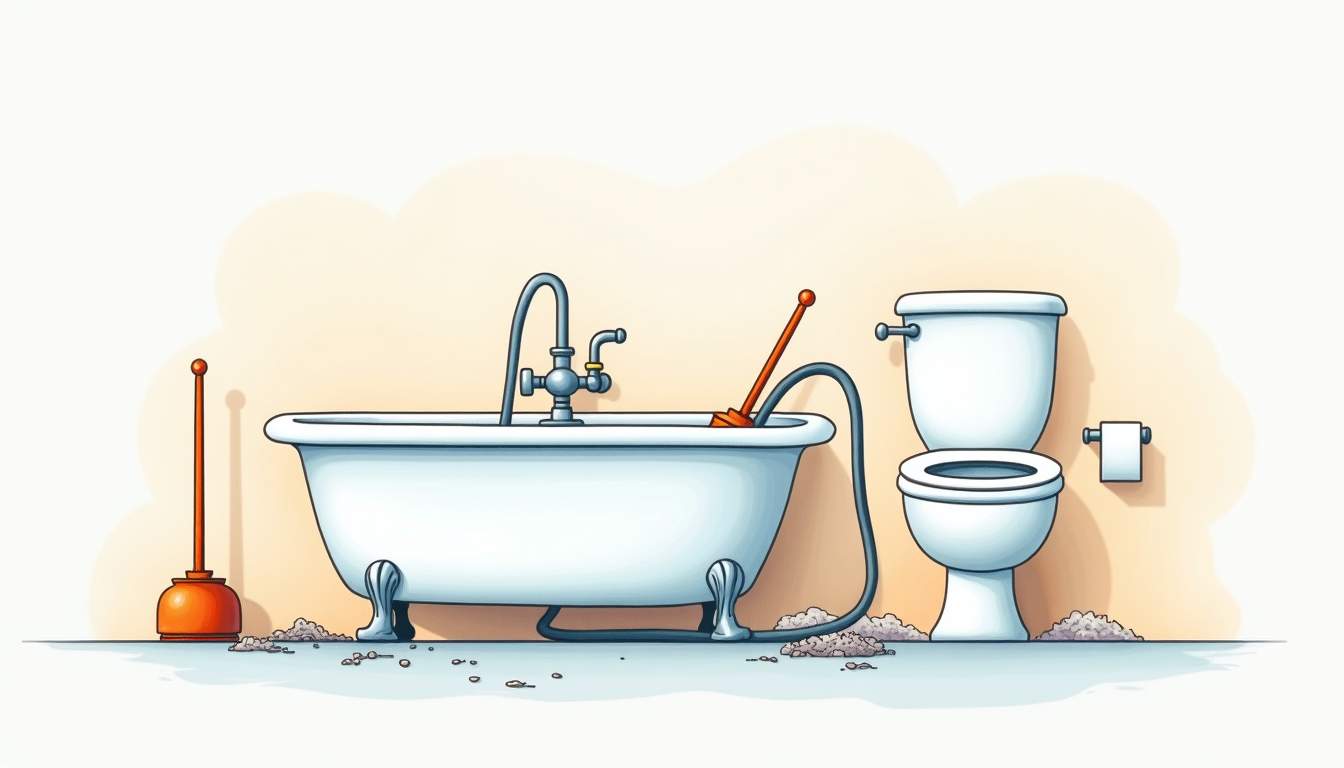
Professional plumbers have specialized tools like motorized drain snakes, hydro-jetters, and cameras to diagnose and clear blockages safely and thoroughly.
Don’t hesitate to call for help if DIY methods fail or if you suspect damage to your pipes.
Maintaining Clear Drains Long-Term
Keeping your bathtub and toilet drains clear is an ongoing effort. Regular maintenance and mindful habits can save time, money, and frustration.
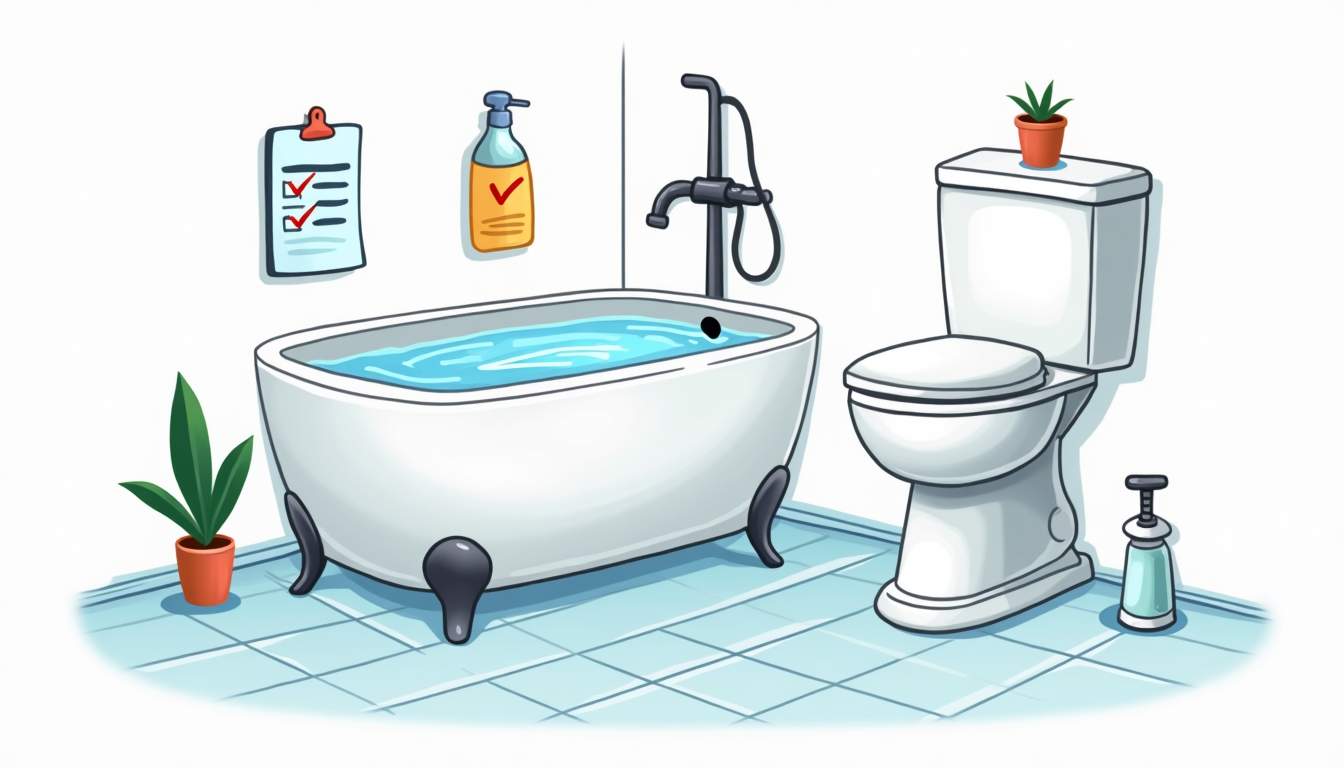
- Use hair catchers in bathtubs and clean them frequently.
- Only flush appropriate materials down the toilet.
- Clean drains monthly with natural solutions like baking soda and vinegar.
- Schedule professional drain inspections every few years, especially in older homes.
- Address slow drainage immediately before it worsens.
With these steps, blockages become less frequent and easier to manage when they do occur.
Final Thoughts
Bathtub and toilet blockages are common but manageable problems. By understanding what causes them and adopting simple preventive measures, most clogs can be avoided altogether. When blockages do happen, a few straightforward tools and techniques often clear the way quickly.
Taking care of your drains not only keeps your home running smoothly but also protects your plumbing system from costly damage. A little attention goes a long way toward a clog-free bathroom.