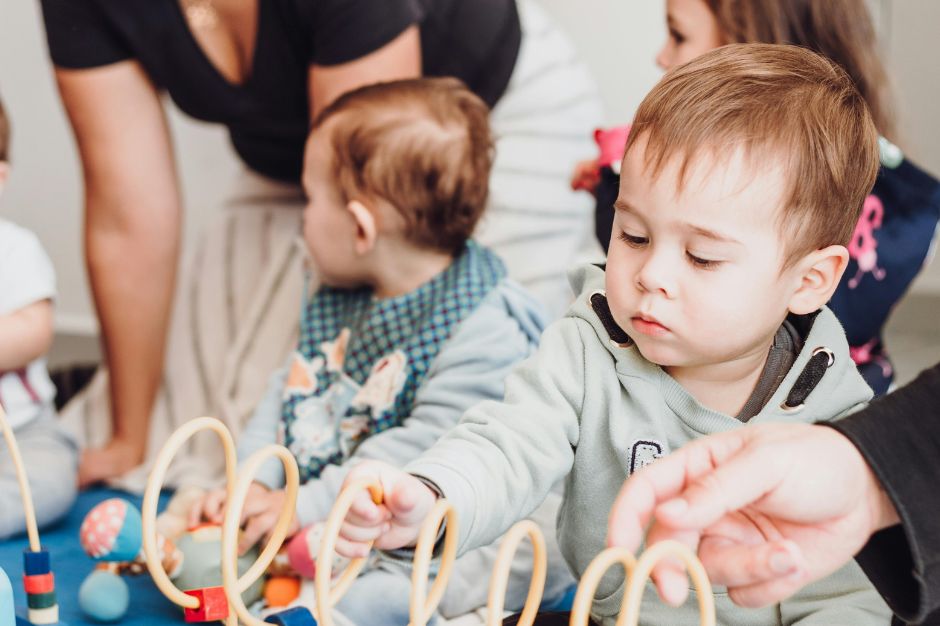
Choosing the right care setting for a medically fragile child shapes not only daily routines but also long-term progress. In Florida, two of the most requested options are Prescribed Pediatric Extended Care (PPEC) centers and home health care. Both aim to support children with complex medical needs, but they work in very different ways. Parents often face a difficult choice because each option offers its own benefits, limitations, and role in a child’s medical, developmental, and social growth.
This article breaks down how each model works, which services they provide, and the key factors parents should consider before making a decision. The goal is to help you choose what fits your child’s needs, your family’s lifestyle, and your long-term goals.
Key Takeaways
- PPEC centers offer structured medical care, peer interaction, and on-site therapy, making them ideal for children who benefit from social and developmental stimulation.
- Home health care provides one-on-one nursing inside the child’s home, giving families more privacy and flexibility in daily routines.
- Florida Medicaid covers both services, but approval depends on documented medical need.
- PPEC may offer more therapy hours at once, while home health care offers a quieter, individualized setting.
- The best choice depends on the child’s medical needs, personality, developmental goals, and the family’s schedule.
What Is PPEC?
PPEC centers serve children from birth to age 21 who require skilled nursing services during the day. These centers operate under licensed medical supervision and provide nursing care, therapies, and developmental support in a structured setting. Florida Medicaid covers PPEC services for qualifying children.
Common reasons children attend PPEC include:
- Feeding challenges or G-tube management
- Seizure disorders
- respiratory support needs
- Genetic or developmental conditions
- Post-surgical care
- Physical, occupational, or speech therapy needs
The goal is to support health, strengthen developmental skills, and encourage peer interaction—all during a full-day program similar to a school or daycare setting, but with medical supervision.
Related Blog:- How PPEC Services Support Child Development and Learning
What Is Home Health Care?
Home health care provides skilled nursing or therapy inside the child’s home. Many families choose this option when they want a private setting or feel their child progresses better with one-on-one care. Services depend on the nursing hours approved by Medicaid or private insurance.
Home health care may include:
- Skilled nursing (RN or LPN)
- Feeding support
- Ventilator or trach care
- Medication and respiratory treatments
- Monitoring for medical changes
- At-home therapy provided by licensed therapists
This model keeps the child within a familiar environment while offering personalized care tailored to daily routines.
Benefits of PPEC
1. Structured Daily Routine
PPEC centers, including PPEC in Florida, run on schedules that include medical care, therapies, and supervised activities. Many children progress faster when they follow consistent routines that involve learning, social interaction, and therapeutic exercises.
2. Built-In Social Interaction
Children enrolled in PPEC spend time around peers with similar needs. This supports communication, sensory play, emotional growth, and early social skills—components many children miss when they remain at home for long periods.
3. Access to Multiple Therapies On-Site
Many PPEC centers offer:
- Physical therapy
- Occupational therapy
- Speech therapy
This saves families the time and stress of scheduling additional outpatient appointments.
4. Skilled Nursing All Day
Nurses monitor the child’s health, give medications, and respond quickly to medical needs. For medically fragile children who need continuous oversight, this level of supervision eases parental stress.
5. Relief for Parents and Caregivers
Because PPEC operates during daytime hours, parents can work, manage household tasks, or rest while knowing their child receives professional care.
Limitations of PPEC
1. Travel Requirements
Families must take their child to the center unless transportation is provided. Many PPEC programs, including GenCare Kids, offer transportation for eligible families.
2. Busy Environment
Some children may feel overwhelmed by noise, activities, or group settings. Kids with sensory challenges or anxiety may respond better to one-on-one care.
3. Fixed Hours
PPEC centers operate on schedules similar to daycare centers. Families needing late-night or weekend support may need supplemental home nursing.
Benefits of Home Health Care
1. One-on-One Focused Care
Home nurses work directly with one child at a time. This allows for uninterrupted attention during treatments, feedings, and monitoring.
2. Comfort of Home
Some children show better progress when they remain in a familiar setting with their personal routines, toys, and calming spaces.
3. Flexible Scheduling
Families often structure nurse hours around work schedules, medical appointments, and daily routines. This flexibility is a major benefit for parents with unpredictable schedules.
4. Reduced Exposure to Germs
Children with compromised immune systems may stay healthier in a private environment with limited outside contact.
5. Strong Nurse-Family Relationship
Home nurses often work with the same child for long periods, building strong bonds with the family and gaining deep insight into the child’s needs.
Limitations of Home Health Care
1. Staffing Gaps
Families often face nurse shortages or frequent schedule changes due to cancellations. This inconsistency disrupts routines and puts pressure on parents.
2. Fewer Therapy Hours
Unless therapy providers come to the home often, children typically receive fewer therapy sessions than at a PPEC center.
3. Limited Peer Interaction
Children who stay home may miss chances to build friendships or learn social skills with peers.
4. Fewer Activities
Parents must often plan developmental activities themselves. At a PPEC center, structured activities happen all day.
5. More Responsibility for Parents
Parents must coordinate schedules, manage nurse instructions, and oversee home care more directly than in a center-based program.
Direct Comparison: PPEC vs. Home Health Care
Below is a simplified breakdown of key differences.
| Feature | PPEC | Home Health Care |
|---|---|---|
| Environment | Group setting | Private home setting |
| Therapies | Frequent, on-site | Limited, based on availability |
| Social Interaction | High | Low |
| Medical Supervision | Continuous, multiple professionals | One nurse at a time |
| Schedule | Fixed hours | Flexible |
| Best For | Children who benefit from structure and group activities | Children needing quiet, individualized care |
| Transportation | May be offered | Not needed |
Which Children Benefit Most From PPEC?
Children often benefit most from PPEC if they:
- Need therapies several times per week
- Respond well to structured routines
- Need stimulation to build communication or social skills
- Progress better when surrounded by peers
- Qualify for nursing care but do not need constant one-on-one attention
PPEC is also helpful for parents who work full-time or manage busy schedules.
Which Children Benefit Most From Home Health Care?
Home health care fits well for children who:
- Experience severe anxiety in busy settings
- Have immune challenges that require isolation
- Need quiet environments for feeding or regulation
- Prefer one-on-one nursing
- Require highly individualized care routines
It also supports families who want daily flexibility or cannot transport their child.
Financial Considerations
In Florida, Medicaid covers both PPEC services and home health care when medically necessary. Many private insurances offer coverage as well.
Parents should consider:
- Approved hours
- Extra transportation costs (if choosing PPEC)
- Availability of providers in the area
- How coverage works with therapy needs
Some families combine both options, using PPEC during the day and home health care during evenings or weekends.
How to Decide Which Option Fits Your Child
Use the questions below to guide your decision:
-
Does my child progress better in a structured or quiet environment?
-
Do I want access to frequent therapy sessions?
-
Can my child handle group activities, noise, or transitions?
-
What type of nursing care does my child need daily?
-
What type of schedule does my family follow?
-
Do I want more flexibility or a reliable daytime routine?
-
How far is the nearest PPEC center?
-
How often does my child need social interaction?
Parents often find clarity after visiting a PPEC center, meeting home nurses, or speaking with their pediatrician.
Frequently Asked Questions
1. Can my child attend school while enrolled in PPEC?
Yes. Some children use PPEC before or after school, while others attend PPEC until they are medically ready for school. Nursing needs usually determine the best approach.
2. Can a child switch between PPEC and home nursing?
Yes. Many families shift between the two based on the child’s progress, medical needs, or therapist recommendations.
3. Does Medicaid cover transportation to PPEC centers in Florida?
Some PPEC centers offer transportation for Medicaid recipients. Families should ask the center directly about availability.
4. How long can a child remain in a PPEC program?
Children can attend up to age 21 as long as they continue to meet medical need requirements and benefit from the program.
5. Is one option better for therapy than the other?
PPEC usually offers more frequent therapy sessions because therapists work on-site. Home therapy may involve fewer sessions depending on provider availability.