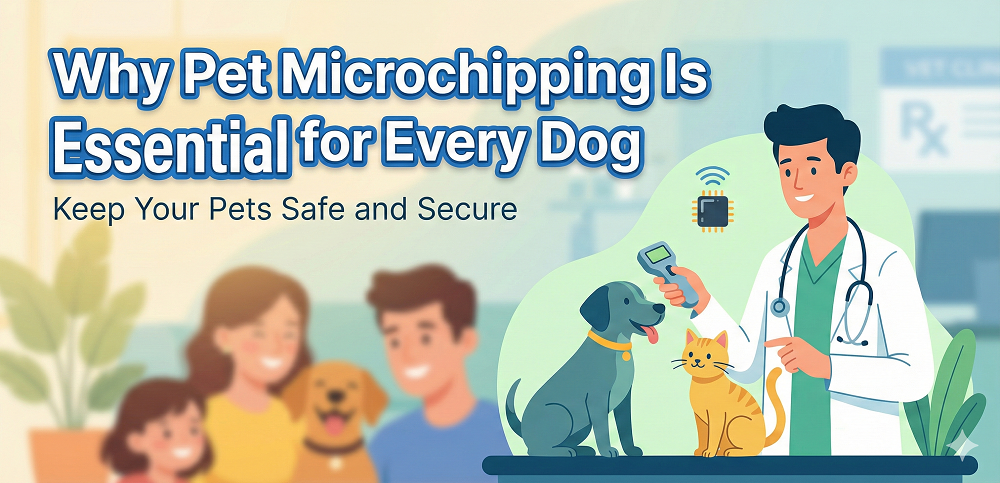
The front door is open for just a moment. Your curious dog slips out, or your quiet indoor cat darts between someone’s legs and disappears. Hours pass. You walk the neighborhood, call their name, check social media, and call local shelters.
Then the phone rings. A veterinary clinic scanned your pet, found a microchip, and called you. Minutes later, your dog or cat is back in your arms.
In 2025, more than a million pets get lost or stolen every year in the United States. Studies show that pets with microchips are about two to three times more likely to make it home than pets without them. That tiny chip can be the difference between a sad story and a happy reunion.
Pet microchipping services are safe, quick, and an essential part of responsible pet ownership. They fit naturally into regular veterinary care, just like vaccines and wellness exams. Clinics such as Jurupa Hills Animal Hospital include microchipping as part of complete wellness care for dogs and cats.
What Is Pet Microchipping and How Does It Work?
At its core, a pet microchip is a small, permanent ID tag that sits under your pet’s skin. It uses simple radio technology to share an ID number when a special scanner passes over it.
Think of it like a library book barcode. The barcode itself does not tell you the story. It just holds a number. The computer looks up that number to find the title, author, and your account. A microchip works the same way for your pet.
The chip is not a GPS tracker. It does not show your pet’s live location, and it does not send signals on its own. It only responds when a scanner is held near it.
The Tiny Chip That Holds Your Pet’s Identity
Most microchips are about the size of a grain of rice. They are enclosed in smooth, biocompatible glass, so the body accepts them well. Your veterinarian places the chip under the skin, usually between your pet’s shoulder blades.
Inside the chip is:
- A tiny radio receiver
- A small transmitter
- A unique ID number
When a shelter or veterinary clinic uses a scanner, the scanner sends a very low radio signal. The chip wakes up, sends back the ID number, then goes quiet again.
That number links to your contact information in a secure database. The chip itself does not store your address, phone number, or name. It only holds the ID number, and the database connects that number to you.
So even if you move or change phone numbers, the chip stays the same. You just update your details in the database.
From Scanner to Reunion: What Happens When a Lost Pet Is Found
Here is how the microchip helps when a lost pet shows up at a clinic or shelter.
A good example: someone finds a wandering dog and brings him to a nearby veterinary hospital. The staff checks for a collar and ID tag, then reaches for a handheld scanner. They slowly pass the scanner over the dog’s shoulders, neck, and sides.
Why Pet Microchipping Is Essential for Every Dog and Cat
Pet microchipping services give your pet a permanent ID that cannot fall off, fade, or be easily removed. In a world where so many pets go missing every year, that matters.
Collars and tags are still important, but they are not enough on their own. Microchips give your pet a second layer of protection that works even if the collar is gone.
Lost Pets by the Numbers: Why Permanent ID Is So Important
Recent data from 2024 and 2025 paint a clear picture.
- More than 1.7 million pets were reported lost in the United States in 2024.
- Over a pet’s lifetime, about one in three dogs or cats will go missing at some point.
- In recent reports, 63% of lost dogs and 52% of lost cats were reunited with their families.
Dogs are found more often than cats. Cats hide more, roam quietly, and many have no visible ID. Some are picked up as strays and never make it back home.
Microchips change the odds in a big way.
Studies show that dogs and cats with microchips are about two to three times more likely to get back home. For cats, the difference is dramatic. Only a small share of lost cats are ever claimed, but that number jumps sharply when they have a chip that is registered and updated.
For a single pet owner, this is what it means: your chances of a happy ending go way up with a microchip, especially if your pet has no collar when found.
Microchips vs Collars and Tags: Why You Need Both
Some people ask if a microchip can replace a collar and tag. The simple answer is no. You really want both.
Collars and tags are like a big, clear name badge. Anyone who finds your pet can read your phone number and call you from the sidewalk. They do not need special tools. That speed can bring your pet home before they ever reach a shelter.
But tags can:
- Break or fall off
- Be removed by someone
- Fade until the phone number is hard to read
Cats often wear breakaway collars for safety. Those are designed to slip off if the collar gets caught on something. Great for safety, not so great for ID if the collar ends up in a bush.
Microchips solve that problem. They sit under the skin, so they cannot fall off or be removed easily. If your pet ends up in a shelter or clinic, staff can still find your information even if the neck is bare.
The safest plan is simple: a collar and ID tag on the outside and a microchip on the inside.
How Microchips Help Shelters and Vets Reunite Families
Today, most animal shelters and veterinary hospitals scan every stray pet that comes through the door. It is part of their standard intake process.
When more pets in a community are microchipped and registered, return-to-owner rates climb. Shelters spend less time housing lost pets and more time opening space for animals who truly need new homes.
A full-service clinic like Jurupa Hills Animal Hospital helps at every stage. They can:
- Place the microchip
- Scan it to confirm it reads well
- Guide you through registration or help you start the process
When your local clinic, local shelters, and pet owners all support microchipping, lost pets have a much better chance of going back to their families.
Safety, Comfort, and Cost: What Pet Owners Should Know
Many owners hesitate to schedule microchipping because they worry about pain, safety, or cost. The real answers are simple and reassuring.
The procedure is very quick, problems are rare, and the fee is usually less than a tank of gas.
Is Microchipping Safe and Painful for Pets?
Microchipping uses a needle similar to one for a routine vaccine, just a bit larger. Your pet may feel brief pressure or a quick pinch, then it is done. Most pets react the same way they do to a normal shot.
Chips are made from materials that the body accepts well. Allergic reactions or serious side effects are extremely rare in dogs and cats.
You may hear stories about chips moving around or causing illness. Current veterinary studies show that chips tend to stay near the place they were put, and they do not cause disease when placed correctly. Your veterinarian uses proper technique to keep the chip in the right area.
After the visit, most pets walk out of the clinic like nothing happened. They can eat, play, and rest as usual.
Best Time to Microchip Puppies and Kittens (and Older Pets Too)
Many veterinarians microchip puppies and kittens during early vaccine visits. That way, the pet is already at the clinic, and the chip becomes part of normal care.
Another common time is during spay or neuter surgery. The pet is asleep, so they do not feel the needle at all. When they wake up, the chip is already in place.
If you have an adult or senior pet, it is not too late. Microchipping can be done at almost any age. You can ask your vet to add it to a wellness exam or vaccine appointment. This can save an extra trip and sometimes an extra exam fee.
If you are planning a visit soon, write down “Ask about microchipping” on your list of questions.
What Pet Microchipping Services Typically Cost
In many clinics, pet microchipping services cost around 25 to 50 dollars per pet. The fee often covers:
- The microchip itself
- The placement procedure
- Basic registration or instructions on how to register
Some shelters and rescue groups include microchips in their adoption fee. Some wellness packages at vet clinics also bundle microchipping with vaccines or exams.
Making Microchipping Work: Registration, Updates, and Next Steps
A microchip only works if someone can contact you when they read the ID number. That means registration and updates matter just as much as placing the chip.
Why Registering and Updating Your Pet’s Chip Is Just as Important
Sadly, many pets have microchips that are never registered or have old phone numbers attached. The shelter scans the pet, finds an ID, calls the number, and reaches a dead end.
To avoid that problem, take these simple steps right after your pet is chipped:
- Get your pet’s microchip number and the brand name from your vet.
- Go to the website printed on the brochure or registration form.
- Create an account, then enter your contact details.
- Add a backup contact if possible, such as a trusted friend.
Any time you move, change your phone number, or update your email, log in and edit your profile. A good tip is to check your microchip details when you:
- Move to a new home
- Get a new phone
- Visit your vet for an annual exam
You can even set a reminder on your phone or calendar once a year. It takes just a few minutes and keeps that safety net strong.
Simple Steps to Get Your Dog or Cat Microchipped
Ready to protect your pet with a permanent ID? Here is a short plan:
- Call your veterinarian and ask about pet microchipping services for your dog or cat.
- Schedule the microchip during a wellness exam or vaccine visit to keep things simple.
- After the chip is placed, follow the registration steps your vet or the microchip company gives you.
- At future vet visits, ask the staff to scan the chip to confirm it reads correctly and your contact info is still current.
That is all it takes. One visit, one brief procedure, and a few minutes of online registration.
Conclusion
A microchip is a small device with a big job. It gives your pet a permanent ID that cannot be lost and greatly raises the odds of a happy reunion if they ever slip away. For both dogs and cats, microchipping is safe, affordable, and a smart part of modern pet care.
Collars and tags plus a registered microchip work together for the strongest protection. The tag speaks for your pet on the street, and the chip speaks for your pet in the clinic or shelter.
When you look at your dog snoozing on the couch or your cat curled up in a sunny spot, it is clear what is at stake. A tiny chip can help protect a lifetime of memories with them.
If your pet is not microchipped yet, or you are not sure their chip is registered, reach out to a trusted veterinarian, such as Jurupa Hills Animal Hospital, and talk about adding microchipping at your pet’s next visit. A few minutes now can bring peace of mind for years to come.