
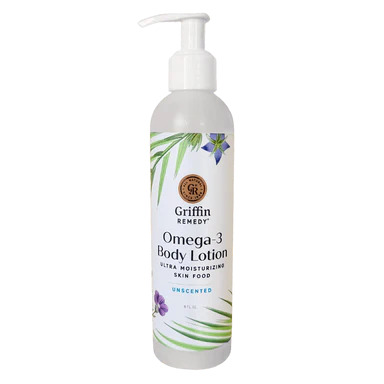
In today’s fast-paced world, taking care of your skin is no longer just about appearance; it’s about overall health and well-being. Many people are turning to Natural Body Lotions as a safer, more nourishing alternative to chemical-laden products. These lotions, made from plant-based oils, herbs, and extracts, provide gentle hydration and essential nutrients to the skin. Unlike synthetic lotions, natural options avoid harsh preservatives, artificial fragrances, and synthetic chemicals that can irritate or damage your skin over time.
Natural body lotions not only soothe and moisturize but also support the skin’s natural barrier. Ingredients like shea butter, aloe vera, coconut oil, and essential oils work synergistically to improve skin elasticity, reduce inflammation, and maintain long-term health. For individuals with sensitive or dry skin, natural formulations are often far superior, delivering hydration without the side effects that chemical additives can cause.
Understanding Chemical Body Lotions
Chemical body lotions are widely available and often marketed as fast-absorbing, long-lasting moisturizers. These products typically contain synthetic fragrances, parabens, sulfates, mineral oils, and other chemical compounds designed to enhance texture, scent, and shelf life. While they may provide temporary moisture, chemical lotions can sometimes disrupt the skin’s natural balance.
Common Ingredients in Chemical Lotions
- Parabens – Used as preservatives to extend shelf life.
- Fragrance Compounds – Artificial scents that may cause irritation or allergic reactions.
- Mineral Oils – Derived from petroleum; they form a barrier on the skin but do not nourish it.
- Silicones – Provide a smooth finish but can block pores and interfere with skin respiration.
The downside of these ingredients is that, although they offer instant results, they may lead to long-term issues such as dryness, redness, sensitivity, and even premature aging. Chemical lotions are particularly problematic for people with eczema, psoriasis, or other skin conditions.
Key Differences Between Natural and Chemical Body Lotions
Ingredient Source
- Natural Body Lotions are derived from plants, herbs, and natural oils. They include ingredients like jojoba oil, shea butter, aloe vera, and chamomile extract. These elements are rich in vitamins, antioxidants, and fatty acids that nourish the skin.
- Chemical Lotions rely on synthetic compounds to mimic hydration and fragrance. While they may feel luxurious, they lack the nutrient-rich profile of natural products.
Skin Compatibility
Natural formulations are generally compatible with all skin types. They help restore the skin’s natural barrier without causing irritation. Chemical lotions, on the other hand, can trigger allergic reactions or sensitivity, especially in individuals with delicate or compromised skin.
Long Term Benefits
Natural body lotions contribute to overall skin health, helping prevent premature aging, dryness, and inflammation. Chemical products may mask skin issues temporarily but do not provide long-term nourishment.
Environmental Impact
Choosing natural products also benefits the environment. Biodegradable ingredients in natural lotions reduce pollution, whereas chemical products often contain compounds that harm ecosystems when washed off into waterways.
Health Benefits of Natural Body Lotions
Moisturization and Hydration
Natural oils and butters penetrate the skin deeply, delivering lasting hydration. Ingredients like coconut oil, avocado oil, and shea butter are rich in fatty acids, which strengthen the skin’s barrier and prevent water loss.
Skin Repair and Healing
Botanical extracts such as aloe vera, calendula, and chamomile promote healing of minor irritations, redness, or sunburn. The antioxidants in these ingredients combat free radical damage, reducing the risk of premature aging.
Reduced Risk of Allergic Reactions
Since natural body lotions avoid harsh chemicals, they are less likely to cause irritation or allergic responses. This makes them ideal for sensitive skin, children, and individuals with skin conditions.
How to Choose the Right Body Lotion
Read Ingredient Labels Carefully
Check for natural oils, butters, and herbal extracts. Avoid products with parabens, sulfates, mineral oils, or artificial fragrances if you want to minimize chemical exposure.
Consider Your Skin Type
- Dry Skin: Look for thick creams containing shea butter, cocoa butter, or avocado oil.
- Oily Skin: Light, non-comedogenic lotions with aloe vera or jojoba oil work best.
- Sensitive Skin: Choose fragrance-free, hypoallergenic products with soothing ingredients like chamomile or calendula.
Evaluate Brand Transparency
Opt for brands that clearly list all ingredients and avoid vague terms like “natural fragrance” or “proprietary blend.” Transparent labeling indicates trustworthiness and commitment to skin health.
Natural Body Lotions and Holistic Wellness
Using natural body lotions can complement a holistic approach to skincare and overall well-being. Integrating body care into a daily self-care routine can enhance mental relaxation and support physical health. Many natural lotions include essential oils such as lavender, chamomile, or rose, which offer aromatherapy benefits and stress relief.
Additionally, regular moisturizing improves circulation and supports skin metabolism. By choosing products that are free from harsh chemicals, you reduce exposure to potentially harmful compounds, aligning your skincare habits with a wellness-focused lifestyle. This is why experts often recommend incorporating wellnessforlife principles into daily skin care, which emphasizes holistic health, mindful choices, and natural product use.
Common Myths About Natural Body Lotions
Natural Lotions Are Less Effective
Many assume that natural lotions do not provide enough hydration or protection. In reality, plant-based ingredients often penetrate the skin more deeply and nourish it more effectively than chemical compounds.
Natural Products Are Expensive
While some premium brands may be pricier, many affordable natural lotions deliver excellent results. The long-term health benefits often outweigh the initial cost.
All Chemical Lotions Are Harmful
Not every chemical lotion is dangerous. However, repeated exposure to synthetic additives may have cumulative effects. Choosing natural alternatives reduces this risk while still keeping your skin moisturized and protected.
Tips for Maximizing Benefits of Natural Body Lotions
- Apply After Bathing: Moisturize within 5 minutes of showering to lock in hydration.
- Target Problem Areas: Pay extra attention to elbows, knees, and feet, where skin is drier.
- Layer With Oils: For extra nourishment, apply a few drops of natural oils before or after lotion.
- Consistency Is Key: Daily use ensures maximum benefits and long-term skin health.
DIY Natural Body Lotion Options
Creating your own lotion at home can be simple and rewarding. Homemade recipes allow you to control ingredients and avoid unwanted chemicals.
Basic Shea Butter Lotion
Ingredients:
- ½ cup shea butter
- ¼ cup coconut oil
- 2 tbsp almond oil
- 10–15 drops essential oil (optional)
Instructions
- Melt shea butter and coconut oil together in a double boiler.
- Remove from heat and mix in almond oil.
- Allow to cool slightly, then add essential oils.
- Whip with a hand mixer until fluffy and store in a clean container.
This lotion is deeply hydrating, safe for sensitive skin, and free of preservatives.
How Chemical Lotions Can Affect Skin Over Time
Chemical lotions often provide instant gratification but may compromise skin health in the long run. Prolonged use of parabens, synthetic fragrances, and mineral oils can:
- Disrupt the skin’s natural pH balance
- Cause irritation and inflammation
- Accelerate dryness and premature aging
- Increase sensitivity to UV rays
By contrast, natural body lotions support skin function and resilience, offering long-lasting results without negative side effects.
Conclusion
Choosing between natural and chemical body lotions is more than a cosmetic decision; it’s a health-conscious choice. Natural Body Lotions provide hydration, nourishment, and skin protection without harmful chemicals, while chemical products may offer temporary results at the cost of long-term skin health. By prioritizing plant-based ingredients, you not only improve your skin but also contribute to environmental sustainability.
Incorporating wellnessforlife practices into your daily routine encourages mindful product choices, holistic self-care, and overall well-being. Whether through store-bought natural lotions or DIY recipes, embracing natural skincare is a simple yet effective step toward healthier, radiant skin.
By understanding the differences between natural and chemical lotions, making informed choices, and staying consistent with your routine, you can achieve smoother, healthier, and more resilient skin for years to come.