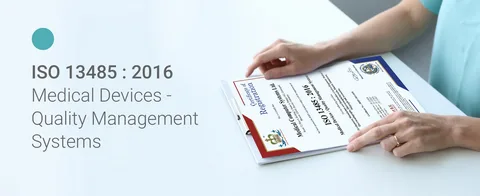
In today’s fast-paced medical device industry, quality isn’t just a buzzword—it’s a lifeline. Companies across the globe are racing to meet regulatory requirements while ensuring patient safety. One of the most recognized standards for achieving this is ISO 13485. If you’re looking to understand how this ISO standard can transform your business and improve your QA roadmap, you’re in the right place.
Whether you’re running a large corporation or exploring ISO certification services for small businesses in the UK, this guide will walk you through everything from compliance essentials to choosing the right certification partner.
Introduction: Understanding ISO 13485 and Its Importance
ISO 13485 is an internationally recognized standard for quality management systems (QMS) in the medical device industry. Think of it as a blueprint for ensuring that medical devices are consistently designed, produced, and maintained to meet regulatory requirements.
Why should you care? Well, besides regulatory compliance, ISO 13485 certification enhances your business credibility. Hospitals, clinics, and distributors prefer partnering with companies that adhere to global quality standards. It’s your stamp of trust.
This ISO isn’t just a paperwork exercise. It’s a practical framework that touches every aspect of your business, from design and manufacturing to post-market surveillance.
ISO Certification for Businesses: Why It Matters
You might be wondering, “Why do I need ISO certification for my medical device company?” The answer is simple: compliance, efficiency, and market access.
-
Compliance with Global Regulations: Many countries require ISO 13485 compliance for importing or selling medical devices.
-
Customer Confidence: Certification signals reliability and commitment to quality.
-
Process Efficiency: Following a QMS framework reduces errors, recalls, and waste.
-
Market Differentiation: With competitors vying for attention, ISO certification sets you apart.
For smaller enterprises, ISO certification services in London or across the UK can simplify the process, guiding you step by step toward certification.
Key Components of ISO 13485 Compliance
ISO 13485 compliance is more than ticking boxes; it’s about building a robust quality management system that works. Let’s break down the core components.
Quality Management System (QMS) Overview
At the heart of ISO 13485 is the QMS. It defines your company’s processes, responsibilities, and quality policies. A strong QMS ensures that every product leaving your facility meets safety and regulatory standards.
Key elements of a QMS include:
-
Documented procedures and policies
-
Defined responsibilities for all team members
-
Continuous monitoring and evaluation of processes
Risk Management in Medical Devices
Risk management isn’t just a formality—it’s a lifesaver. ISO 13485 requires companies to identify potential hazards, assess risks, and implement controls. This proactive approach prevents defects, protects patients, and minimizes liability.
Tools like FMEA (Failure Mode and Effects Analysis) or risk matrices help you visualize risks and create actionable solutions.
Documentation and Record Keeping
“Document it or it didn’t happen” is the mantra here. ISO 13485 emphasizes meticulous record-keeping, from production logs to audit trails. Proper documentation not only ensures compliance but also makes audits smooth and stress-free.
Step-by-Step Roadmap to Achieve ISO 13485 Certification
Achieving ISO 13485 certification can feel daunting, but breaking it into steps makes it manageable.
Gap Analysis: Where You Stand
Start by assessing your current processes. Where are the gaps between your current practices and ISO 13485 requirements? A gap analysis helps prioritize what needs fixing.
Planning and Implementing QMS
Once you know your gaps, create a roadmap for QMS implementation. This includes:
-
Drafting policies and procedures
-
Assigning responsibilities
-
Training staff on compliance requirements
Internal Audits and Corrective Actions
Internal audits are your rehearsal for the official certification audit. They help uncover weak spots before external auditors arrive. Document any non-conformities and implement corrective actions promptly.
Certification Audit and Maintenance
After preparation, you’re ready for the certification audit. An external auditor examines your processes, documents, and facilities to ensure compliance. Once certified, maintenance is key: continuous improvement, periodic audits, and updating QMS as regulations evolve.
ISO Certification Services in the UK: Choosing the Right Partner
Getting certified can be complex, which is where ISO certification services in the UK come into play. They provide guidance, training, and auditing support to ensure a smooth process.
ISO Certification Services for Small Businesses UK
Small businesses often lack dedicated QA teams. Certification services simplify the journey, helping you implement ISO standards without disrupting daily operations.
ISO Certification Services London
In London, multiple providers offer ISO guidance, from documentation templates to full-service audit support. Choosing a reliable partner can save months of effort.
Integrating Other ISO Standards with ISO 13485
ISO 13485 doesn’t exist in isolation. Many companies integrate it with other standards for a holistic approach.
ISO 9001 Certification UK
ISO 9001 focuses on general quality management. Integrating it with ISO 13485 enhances process efficiency and customer satisfaction.
ISO 14001 Certification UK
ISO 14001 covers environmental management. For manufacturers, it demonstrates a commitment to sustainability and regulatory compliance.
ISO 27001 Certification UK
ISO 27001 targets information security. For medical device companies handling sensitive data, this integration ensures patient information is secure.
Common Challenges and How to Overcome Them
Every certification journey has hurdles. Here’s how to tackle them:
-
Staff Resistance: Engage employees early, explain benefits, and provide training.
-
Documentation Overload: Use templates and digital tools to streamline records.
-
Keeping Up with Updates: Assign a compliance officer to monitor regulatory changes.
Benefits of ISO 13485 Certification for Medical Device Companies
ISO 13485 certification isn’t just a regulatory checkbox—it’s a business enhancer. Benefits include:
-
Enhanced credibility with clients and regulators
-
Reduced errors and recalls
-
Improved efficiency across departments
-
Access to global markets
-
Competitive advantage in tenders and contracts
For small businesses, leveraging ISO certification services London or UK-wide ensures these benefits are realized without overwhelming internal teams.
Conclusion: Your Path to Compliance and Quality Excellence
Achieving ISO 13485 certification is a journey worth taking. It not only ensures compliance but also strengthens your brand, boosts efficiency, and opens new business opportunities. Whether you’re a startup or an established medical device company, following a structured QA roadmap, leveraging certification services, and integrating complementary ISO standards will set you up for long-term success.
FAQs
Q1: How long does it take to get ISO 13485 certified?
It depends on your current processes. Small businesses may achieve certification in 6–12 months, while larger organizations could take 12–18 months.
Q2: Can ISO 13485 be combined with ISO 9001?
Yes! Many companies integrate ISO 9001 with ISO 13485 to streamline quality management across all operations.
Q3: Are there ISO certification services specifically for small businesses?
Absolutely. There are dedicated services in the UK that cater to small businesses, offering templates, training, and auditing support.
Q4: Does ISO 13485 certification guarantee regulatory approval?
Not directly. ISO 13485 ensures your processes meet quality standards, which supports regulatory approval, but you still need to comply with local laws.
Q5: How often do I need to update my ISO 13485 certification?
ISO certifications require regular audits—usually annually—to maintain compliance and ensure continuous improvement.
Sponsored article: Essential Clothing for a Summer Vacation Wardrobe