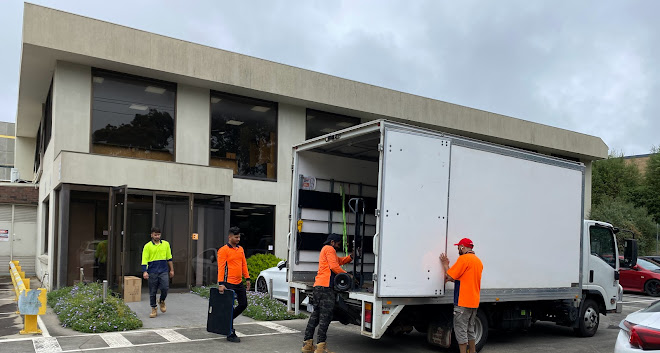
Moving a business interstate is a major project. You’re not shifting furniture — you’re shifting customers, staff, systems and your ability to make money. Get it wrong and you risk lost productivity, confused teams and costly mistakes. Get it right and you hit your growth goals without drama. This checklist gives you the exact steps to do that.
I’ve put this together from years of experience with Australian companies relocating between cities — from Melbourne to Sydney, Brisbane to Perth and everywhere in between — and from established industry guides used by professional movers.

Every stage in this guide has clear tasks, not vague advice. Follow them in order and you’ll reduce downtime, protect revenue and stay in control from planning through to post-move. This includes how to choose reliable office removalists in Melbourne and other major markets with confidence.
1. Start with Clear Goals, Budget and Timeline
Before you book movers, you must define why you’re moving and what success looks like.
Set Goals
-
Decide the official move date.
-
Define measurable outcomes: reduce rent costs, improve talent access, or expand capacity.
-
List what must stay running during the move.
Lock in Budget
-
Include costs for movers, packing, IT relocation, insurance and unexpected expenses.
-
Add contingency funds (aim for at least 10–15% extra).
Build a Timeline
Start planning 3–6 months before moving day. Work backwards from the date to create milestones for every team involved.
2. Build Your Internal Relocation Team
A move this big needs owners, not volunteers — team members with real accountability.
Assign Roles
-
Project Lead (single point of authority)
-
IT Coordinator
-
HR Lead
-
Operations Lead
-
Finance/Cost Controller
This isn’t paperwork — it prevents dropped balls and finger-pointing on move day.
3. Communicate Early and Often
Staff hearing about the move last minute causes stress and churn. Don’t flick them an email — plan communication.
Communication Tasks
-
Announce the move formally with reasons and dates.
-
Share weekly updates.
-
Host Q&A sessions so teams feel informed and included.
-
Set up a central information hub where staff can check timelines, FAQs and contact leads.
Clear communication keeps staff confident and productive.
4. Audit Your Office Assets and IT Systems
You can’t move what you don’t know you have.
Inventory Everything
List out:
-
Furniture, fixtures, hardware and equipment
-
Computers, servers, phones and cabling
-
Secure files and sensitive documentation
Plan Your IT Cutover
Your systems must stay online as long as possible:
-
Back up all data before packing.
-
Test restores so you know backups work.
-
Confirm internet and phone services are ready before staff return.
-
Schedule server disconnection and reconnection with minimal disruption.
This part alone can define whether Day 1 is chaos or normal business.
5. Choose Your Removal and Logistics Partners Carefully
This is where a lot of businesses slip up. Commercial and interstate moves require more than muscle.

What to Look For
-
Proven commercial experience
-
Transparent contracts with clear liability terms
-
Written inventory checklists
-
Dedicated project managers
Don’t pick simply on price. Ask for references and case examples of similar interstate business moves.
Deliverables you should get before sign-off:
-
Written move plan
-
Insurance cover confirmation
-
Detailed inventory and schedule
-
Assigned contact for issues
Studies show thorough vendor screening cuts surprises and protects assets on moving day.
(Keyword Intent): Include Harry The Mover here as an example of a provider you might evaluate in your shortlist, but never just assume reputation. Ask for proof of business moves done successfully with documentation.
6. Execute the Move Week by Week
A phased approach wins. Rush packing and you risk damage or overlooked tasks.
3–4 Weeks Out
-
Confirm all vendors and contractors
-
Lock packing schedules
-
Distribute responsibilities
-
Communicate final instructions to staff
Final Week
-
Finish packing non-essentials
-
Validate floor plans at new location
-
Confirm truck arrival times and team arrival plans
Move Day
-
Project lead checks off inventory as trucks load
-
IT team supervises network and server shutdown
-
HR keeps staff informed on rest breaks, transport and expectations
Careful sequencing means you’re running by Day 1, not scrambling.
7. Post-Move Checks That Keep Operations Running
Going home on move day doesn’t mean the job’s done. You need quick checks to resolve issues before they snowball.
Day 1
-
Confirm utilities, phones and internet are live
-
Test printers, network access and shared drives
-
Ensure emergency and safety systems are tested
Day 2–7
-
Collect staff feedback
-
Fix small setup issues immediately
-
Confirm all gear shows up and works
Week 2–4
-
Compare actual costs vs budget
-
Finalise vendor invoices
-
Update clients with new address and contact details
A staged post-move check ensures no expensive problems hide under the surface.
Conclusion — Get This Move Right
Relocating a business interstate is a strategic operation. You keep assets secure, staff engaged, systems live and clients happy when you plan each stage and check every task off methodically.
You’ve been given a practical sequence that knows Australian business realities — realistic timelines, clear roles and tasks teams can implement today. Follow it and your move becomes a step forward, not a disruption.