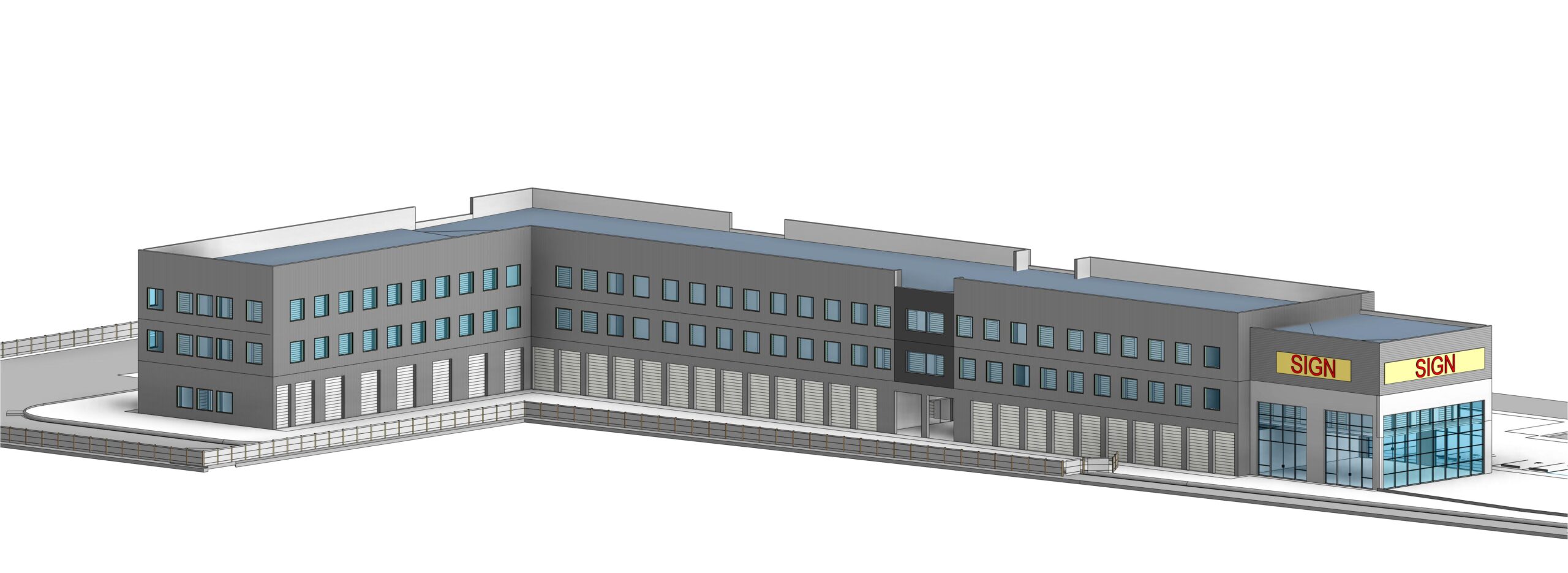
The architecture, engineering, and construction (AEC) sectors are navigating a significant shift. As projects become more complex and timelines tighten, the demand for high-precision modeling has never been higher. Building Information Modeling (BIM) has moved from being a luxury to an absolute necessity, with Autodesk Revit standing as the industry standard software.
However, maintaining a full in-house team of Revit specialists is expensive and logistically challenging. This reality has driven a massive surge in revit outsourcing services. Firms are no longer looking for external help just to cut costs; they are doing it to survive and thrive in a competitive global market. Outsourcing has evolved from a simple support mechanism into a strategic partnership that drives innovation and efficiency across the board.
Understanding Revit Outsourcing
Revit outsourcing involves hiring external agencies or specialized professionals to handle specific Building Information Modeling (BIM) tasks. Instead of relying solely on internal staff, an architecture or engineering firm delegates parts of the modeling process to a third-party provider.
This process covers a wide spectrum of services. It isn’t limited to basic drafting. Modern outsourcing partners handle high-level tasks, including:
- 3D BIM Modeling: Creating detailed architectural, structural, and MEP (Mechanical, Electrical, and Plumbing) models.
- Scan to BIM: Converting point cloud data from laser scans into accurate Revit models for renovation projects.
- Family Creation: Building custom libraries of parametric Revit families (objects like furniture, doors, or windows) that fit specific project needs.
- Clash Detection: Identifying and resolving interferences between different building systems before construction begins.
- Construction Documentation: Generative detailed drawings, schedules, and material take-offs directly from the model.
The Strategic Advantages of Outsourcing
Why are so many AEC firms moving toward this model? The motivation goes beyond the bottom line. While budget is always a factor, the operational benefits create a compelling case for outsourcing.
Significant Cost Reduction
The most immediate benefit is financial. Hiring full-time, in-house BIM managers and Revit technicians requires a substantial investment in salaries, benefits, and ongoing training. Furthermore, the cost of hardware workstations and software licenses can be prohibitive. Outsourcing converts these fixed costs into variable costs. You only pay for the services you need when you need them.
Access to Global Expertise
Finding local talent with niche Revit skills can be difficult. By outsourcing, firms break down geographical barriers. They gain access to a global talent pool of engineers and architects who specialize specifically in BIM technology. These professionals are often up-to-date with the latest software updates and international building codes, bringing a level of expertise that might be too costly to develop internally.
Operational Efficiency and Speed
Time is often the most critical resource in construction. Outsourcing partners can offer a distinct “follow-the-sun” advantage. While your in-house team sleeps, an offshore team can continue working on the models. This 24-hour production cycle significantly reduces project turnaround times, allowing firms to meet aggressive deadlines without burning out their internal staff.
Scalability on Demand
AEC workflows are rarely consistent; they feast and famine. One month you might have three skyscrapers to model, and the next, only a few residential renovations. Maintaining a large staff during slow periods is a drain on resources, while scrambling to hire during busy periods leads to bad recruitment decisions. Outsourcing allows firms to scale their workforce up or down instantly based on current project volume.
Navigating the Challenges
While the benefits are clear, Revit outsourcing is not without its hurdles. Successful implementation requires acknowledging potential pitfalls and having a plan to address them.
Communication Barriers
Working with a remote team can lead to misunderstandings regarding design intent or project scope.
- Solution: Establish clear communication protocols from day one. Utilize video conferencing tools for regular check-ins and use collaborative platforms like Slack or Microsoft Teams for instant queries.
Quality Control
There is a fear that an external team might not adhere to the specific graphic standards or modeling practices of the hiring firm.
- Solution: Define your BIM standards clearly. Provide templates, sample files, and detailed guidelines. Start with a pilot project to align expectations before committing to major deliverables.
Data Security and Intellectual Property
Sharing sensitive project files with a third party raises concerns about data theft or security breaches.
- Solution: Only work with reputable outsourcing partners who sign Non-Disclosure Agreements (NDAs). Ensure they use secure, encrypted servers for data transfer and have robust cybersecurity measures in place.
The Future of Revit Outsourcing
The trajectory of the AEC industry suggests that outsourcing will become even more integrated into standard workflows. We are moving toward a future where collaboration is seamless, regardless of physical location.
Cloud-based collaboration tools, such as Autodesk Construction Cloud (formerly BIM 360), are making it easier for distributed teams to work on the same model simultaneously. This real-time collaboration minimizes the friction previously associated with outsourcing.
Furthermore, as the industry embraces new technologies like AI-driven design and automated code checking, outsourcing firms are likely to be the first adopters. They will evolve into technology partners, providing not just labor, but advanced computational design services that many traditional firms have yet to master.
Taking the Next Step
The transformation of the global AEC industry is underway. Firms that resist leveraging external expertise risk falling behind in efficiency and innovation. Revit outsourcing offers a pathway to reduce risk, lower costs, and improve the quality of construction documentation.
Whether you are a small architectural practice looking to take on larger projects, or a large construction company seeking to optimize your BIM workflow, finding the right partner is key. Companies like Archdraw Outsourcing specialize in bridging this gap, providing high-quality, reliable Revit services that act as a seamless extension of your in-house team. By choosing a partner committed to precision and quality, you position your firm to build the future, faster and more efficiently.
Read another post: Luxury Real Estate: Top 7 things to Consider While Purchasing