
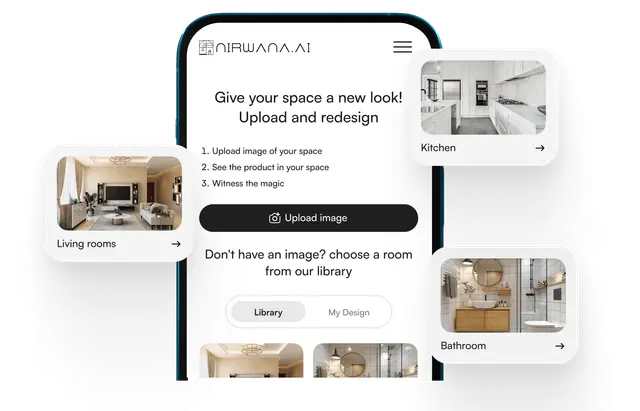
Tile layout & grout customizer tools have revolutionized the way designers approach flooring and wall finishes. Gone are the days of guesswork, uneven grout lines, and awkward tile cuts. With these digital and physical tools, professionals can plan, visualize, and execute designs that elevate a space from ordinary to extraordinary. Whether it’s a minimalist kitchen backsplash or an elaborate bathroom floor, designers now rely on these customizers to ensure every line, joint, and pattern is precise.
In this article, we’ll explore how these tools work, their benefits, practical applications, and why they are indispensable for achieving flawless finishes in modern interior design.
Why Tile Layout & Grout Customizers Matter
Designing a tiled surface is more than just selecting colors and patterns. Even the smallest misalignment or poorly chosen grout color can detract from the entire look.
Professional tools provide:
- Accurate measurements: Ensuring tiles fit perfectly in any space.
- Visual simulations: Designers can preview how patterns and grout colors interact before installation.
- Error reduction: Minimizing costly mistakes and reworks.
These advantages make tile layout & grout customizers a critical part of the modern designer’s toolkit.
Understanding Tile Layout Design
Tile layout involves planning the placement, orientation, and spacing of tiles to achieve a harmonious look. Designers consider:
1. Pattern Types
- Straight lay: Simple, linear arrangement for a clean, classic look.
- Diagonal: Adds visual interest, often making spaces appear larger.
- Herringbone & Chevron: Complex patterns for dynamic, elegant finishes.
- Mosaic: Small tiles creating intricate designs or imagery.
2. Alignment and Spacing
The spacing between tiles, known as grout lines, can dramatically affect the visual outcome. Even slight inconsistencies can be noticeable on large surfaces.
3. Functional Considerations
Designers also consider:
- Foot traffic areas
- Tile material durability
- Maintenance and cleaning ease
The Role of Grout in Tile Design
Grout is not merely filler—it’s an integral design element. The right grout color and width can:
- Enhance tile patterns
- Create contrast or harmony
- Protect against water damage and dirt
Tips for Choosing Grout
- Matching grout: Creates a seamless, understated look.
- Contrasting grout: Highlights tile shapes and patterns for visual impact.
- Wide grout lines: Useful for irregular tiles or rustic finishes.
- Narrow grout lines: Sleek, modern, minimalistic appearance.
How Tile Layout & Grout Customizers Work
Modern customizers come in both digital and physical forms, offering designers powerful control over every aspect of tile installation.
1. Digital Tools and Software
These platforms allow designers to:
- Input room dimensions and tile sizes
- Experiment with different layouts, patterns, and grout colors
- Generate realistic 3D visualizations
- Calculate material quantities and costs
Digital tools reduce human error, making the design process more efficient and precise.
2. Physical Customizers
Some designers still prefer hands-on tools like tile templates, grout samples, and mockups to:
- Test color combinations under real lighting conditions
- Adjust spacing manually
- Communicate ideas with clients effectively
Benefits of Using Tile Layout & Grout Customizers
Employing these tools provides multiple advantages:
- Precision: Ensures every tile aligns perfectly with the design plan.
- Time-saving: Reduces trial-and-error during installation.
- Cost-effective: Minimizes waste of tiles and grout.
- Client satisfaction: Enables clients to visualize the final result beforehand.
Practical Applications in Modern Interiors
Tile layout & grout customizers are used in a variety of spaces:
1. Kitchens
- Creating visually appealing backsplashes
- Highlighting feature walls or accent areas
- Ensuring durability in high-traffic cooking zones
2. Bathrooms
- Designing wet-resistant floors with proper slopes and drainage
- Coordinating wall and floor tiles for cohesive aesthetics
- Experimenting with contrasting grout lines for style
3. Commercial Spaces
- Retail stores use custom patterns to guide foot traffic
- Hotels and restaurants leverage unique tile designs for brand identity
- Office spaces benefit from low-maintenance, durable surfaces
Expert Tips for Designers
- Always start with a mockup: Even digital previews can save hours of rework.
- Consider lighting: Natural and artificial light can change how grout and tile colors appear.
- Balance pattern complexity: Busy patterns can overwhelm small spaces; simplicity often works best.
- Factor in maintenance: Choose grout that resists stains and is easy to clean in high-use areas.
Common Mistakes to Avoid
- Ignoring grout color impact
- Failing to check tile level and alignment
- Using mismatched tile sizes or patterns without proper planning
- Neglecting expansion gaps in large areas
Using a tile layout & grout customizer mitigates these mistakes by providing a clear, visual plan before installation begins.
FAQs About Tile Layout & Grout Customizers
1. Can these tools be used for all tile types?
Yes, most modern customizers accommodate ceramic, porcelain, natural stone, and mosaic tiles.
2. Are digital customizers easy for beginners?
Many platforms offer intuitive interfaces, tutorials, and drag-and-drop layouts suitable for novice users.
3. How accurate are these tools in predicting real-world results?
While lighting and material variations exist, high-quality software provides highly realistic 3D previews and precise material calculations.
4. Do these tools save money?
Absolutely. By planning layouts and grout colors digitally, designers minimize tile wastage, avoid rework, and streamline installation.
Case Studies: Transformative Design Using Customizers
Case Study 1: Modern Kitchen Makeover
A designer used a tile layout & grout customizer to test multiple backsplash patterns. The client chose a subtle diagonal layout with contrasting grout. The result: a visually striking yet functional kitchen backsplash completed with zero errors.
Case Study 2: Boutique Hotel Lobby
For a luxury hotel, designers experimented with mosaic floor patterns digitally. The customizer helped align intricate patterns with high foot traffic areas. The hotel achieved a flawless, durable finish admired by guests and critics alike.
Future Trends in Tile Design Tools
- AI-powered suggestions: Software that recommends optimal layouts based on room dimensions and style preferences.
- Augmented reality (AR) previews: Allows clients to visualize finished spaces in real-time.
- Sustainable materials integration: Tools that factor in eco-friendly tile options and reduce waste.
These trends indicate that tile layout & grout customizers will continue to revolutionize interior design workflows.
Conclusion
Incorporating a tile layout & grout customizer into the design process transforms how professionals approach tile installation. From accurate measurements and pattern planning to grout color selection and realistic previews, these tools ensure that every project is precise, efficient, and visually stunning. By leveraging both digital and physical customizers, designers can create flawless finishes that delight clients and enhance spaces for years to come.
