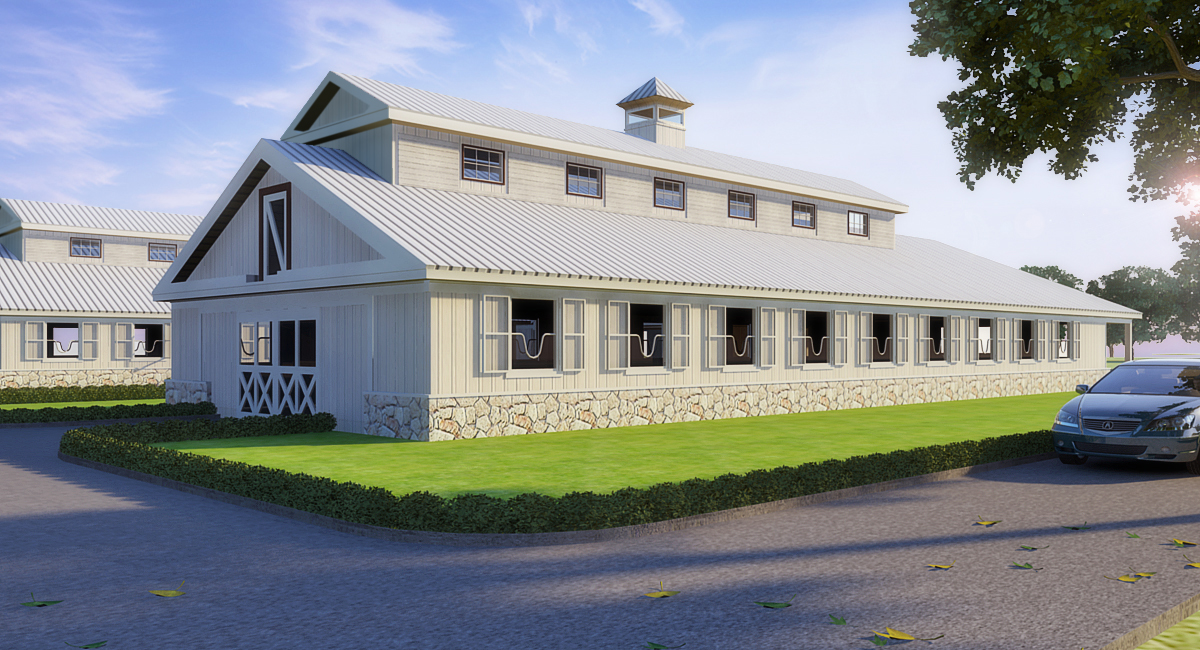
The architectural industry has undergone a dramatic transformation over the past decade. Gone are the days when architects relied solely on hand-drawn sketches and 2D blueprints to communicate their vision. Today, architectural 3D exterior rendering has emerged as a game-changing technology that’s reshaping how buildings are designed, presented, and marketed.
This powerful visualization tool allows architects, developers, and clients to experience a project before the first brick is laid. From residential developments to commercial complexes, 3D exterior rendering has become an essential component of modern architectural practice, offering unprecedented clarity and realism in project visualization.
The impact extends far beyond simple visualization. This technology is fundamentally changing client relationships, streamlining design processes, and opening new avenues for marketing and business development. For firms looking to stay competitive, understanding and implementing 3D rendering capabilities has become crucial for success.
What is Architectural 3D Exterior Rendering?
Architectural 3D exterior rendering is the process of creating photorealistic digital images of buildings and structures using specialized computer software. These renderings transform technical architectural drawings and CAD models into stunning visual representations that showcase how a building will appear in its final form.
The process begins with detailed architectural plans and elevations. Using advanced software like 3ds Max, SketchUp, or Blender, skilled artists build three-dimensional models of the structure. Every element is carefully crafted—from the building’s facade and materials to the surrounding landscape and environmental conditions.
Modern rendering techniques incorporate sophisticated lighting algorithms, material physics, and environmental factors to create images that are virtually indistinguishable from photographs. The technology can simulate various times of day, weather conditions, and seasonal changes, providing clients with a comprehensive understanding of how their project will look under different circumstances.
The level of detail achievable through contemporary rendering is remarkable. Artists can showcase specific material textures, architectural features, lighting effects, and even populate scenes with realistic vegetation and human figures to bring the visualization to life.
Benefits of 3D Rendering in Architecture
The advantages of implementing architectural 3D exterior rendering extend across multiple aspects of architectural practice. Enhanced visualization capabilities represent perhaps the most obvious benefit. Clients can now see exactly how their investment will look, eliminating much of the guesswork traditionally associated with architectural projects.
Communication between architects and clients has improved dramatically. Complex design concepts that were once difficult to explain through blueprints can now be instantly understood through photorealistic renderings. This clarity reduces misunderstandings and ensures all stakeholders share the same vision for the project.
From a business perspective, 3D renderings serve as powerful marketing tools. High-quality visualizations help architects win more projects by presenting their ideas in the most compelling way possible. Real estate developers use these renderings to pre-sell properties, secure financing, and generate excitement around upcoming projects.
The design process itself benefits from 3D rendering capabilities. Architects can experiment with different materials, colors, and design elements quickly and efficiently. This flexibility encourages creative exploration while helping identify potential issues before construction begins.
Cost savings represent another significant advantage. By visualizing the project thoroughly before construction, architects and developers can identify design problems early, reducing expensive change orders and construction delays.
Revolutionizing the Design Process
Traditional architectural design methods followed a linear progression from concept to completion. Architects would create sketches, develop technical drawings, and hope clients could visualize the final result. This approach often led to miscommunication and costly revisions during construction.
Architectural 3D exterior rendering has transformed this process into an iterative, collaborative experience. Architects can now present multiple design options, allowing clients to compare alternatives and make informed decisions. Real-time rendering capabilities enable instant visualization of design changes, making the design process more dynamic and responsive.
The technology has also democratized architectural visualization. Smaller firms that previously couldn’t afford expensive presentation materials can now compete with larger practices by producing professional-quality renderings. This leveling of the playing field has fostered innovation and competition within the industry.
Digital design tools integrated with rendering software allow architects to maintain consistency between technical drawings and visual presentations. This integration reduces errors and ensures that what clients see in renderings accurately reflects what will be built.
Case Studies: 3D Rendering Success Stories
Residential developments have particularly benefited from 3D exterior rendering technology. A luxury condominium project in Miami used photorealistic renderings to pre-sell 80% of units before construction began. The detailed visualizations allowed potential buyers to see exactly how their future homes would look, including views from specific units and the building’s integration with the surrounding neighborhood.
Commercial projects have seen similar success. A mixed-use development in Seattle used 3D renderings to secure both financing and major retail tenants. The visualizations clearly communicated the project’s scale, aesthetic appeal, and integration with existing urban fabric, convincing stakeholders of the project’s viability.
Educational institutions have embraced rendering technology for campus planning and fundraising efforts. A university expansion project used detailed exterior renderings to communicate the new facilities’ impact on campus life, helping secure donor support and community approval for the development.
These examples demonstrate how architectural 3D exterior rendering has become essential for project success across various building types and markets.
SEO and Marketing Advantages
Architectural firms are discovering that high-quality 3D renderings provide significant digital marketing advantages. Visual content consistently outperforms text-based content in online engagement, making renderings valuable assets for websites and social media marketing.
Search engines favor websites with engaging visual content, and professionally produced 3D renderings can improve a firm’s search engine rankings. When potential clients search for architectural services, firms with compelling visual portfolios are more likely to capture attention and generate leads.
The shareability of stunning architectural visualizations extends a firm’s marketing reach through social media platforms. A single impressive rendering can generate significant exposure when shared across LinkedIn, Instagram, and other professional networks.
Many architecture firms have discovered that investing in professional rendering services—whether through in-house capabilities or partnerships with specialized providers like Archdraw Outsourcing—generates substantial returns through improved client acquisition and project success rates.
Future Trends in Architectural Rendering
Virtual and augmented reality technologies are beginning to transform how clients experience architectural designs. Instead of viewing static images, clients can now walk through virtual buildings and experience spaces from a first-person perspective. This immersive technology provides an even deeper understanding of proposed designs.
Real-time rendering engines are making it possible to modify designs and see results instantly. This capability transforms client meetings into collaborative design sessions where changes can be visualized and evaluated immediately.
Artificial intelligence is beginning to impact rendering workflows, automating repetitive tasks and enabling faster production of high-quality visualizations. These technological advances are making 3D rendering more accessible and cost-effective for firms of all sizes.
Cloud-based rendering solutions are democratizing access to powerful rendering capabilities, allowing smaller firms to produce professional-quality visualizations without significant hardware investments.
Transforming Architecture’s Future
Architectural 3D exterior rendering has evolved from a luxury service to an essential tool for modern architectural practice. The technology’s impact extends far beyond simple visualization, fundamentally changing how architects design, communicate, and market their work.
For firms seeking to remain competitive, embracing 3D rendering capabilities—whether developed internally or accessed through specialized providers—has become crucial for success. The technology continues to evolve rapidly, promising even more powerful capabilities for visualizing and experiencing architectural designs.
The revolution in architectural visualization is far from over. As technology advances and becomes more accessible, 3D rendering will continue transforming how we conceive, design, and experience the built environment.