
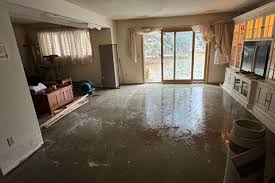
Minneapolis is no stranger to unpredictable weather. From rapid snowmelt in the spring to severe thunderstorms in the summer and fall, the city faces a high risk of flooding throughout the year. Flash floods, sewer backups, sump-pump failures, and rising river levels can all quickly cause devastating water damage to homes and businesses. When disaster strikes, fast and professional flood restoration in Minneapolis is essential—not just to protect buildings, but also the health and safety of the people who occupy them.
This article explores why floods occur in Minneapolis, the importance of rapid restoration, what the restoration process looks like, and how property owners can choose the right flood damage restoration service.
Why Flooding Happens in Minneapolis
Several regional and environmental factors make Minneapolis particularly vulnerable to flooding:
1. Rapid Snowmelt
Minnesota winters accumulate significant amounts of snow. When temperatures rise suddenly in early spring, snowpack melts faster than the ground can absorb it, overwhelming storm drains and waterways.
2. Heavy Rainstorms
The Minneapolis area regularly experiences intense thunderstorms capable of dropping several inches of rain in just a few hours. When ground saturation is already high, flooding becomes unavoidable.
3. Aging Infrastructure
Older neighborhoods may have outdated stormwater systems that cannot handle today’s weather patterns. Blocked drains, broken pipes, and overloaded sewer systems can cause flooding inside basements and lower-level structures.
4. Proximity to Rivers and Lakes
The Mississippi River, Minnehaha Creek, and numerous lakes throughout the metro area all contribute to flood risks, especially after prolonged rainfall or upstream overflow.
Understanding why flooding happens is only the beginning. When water enters a property, time becomes the most crucial factor.
Why Immediate Flood Restoration Matters
Flood damage is more than a structural issue. Water can spread rapidly—absorbing into drywall, flooring, insulation, and furniture within minutes. The longer moisture remains, the more severe and costly the damage becomes.
Here are key reasons why fast response is essential:
1. Mold Growth Starts Quickly
Mold can begin growing within 24–48 hours after water exposure. Minneapolis homes are especially vulnerable during warm, humid months. Mold not only damages materials but also poses serious health risks, especially for children, seniors, and those with respiratory issues.
2. Structural Integrity Weakens
Wood framing, drywall, flooring, and foundation materials can all weaken when saturated. Swift drying helps preserve as much of the structure as possible.
3. Electrical and Fire Hazards
Water intrusion can damage electrical systems, creating shock risks or even fires. Licensed restoration professionals know how to safely assess and handle these issues.
4. Contaminated Water Risks
Floodwater often contains bacteria, sewage, chemicals, and other hazardous contaminants. Proper cleaning and sanitation are crucial for preventing long-term health problems.
5. Insurance Requirements
Most insurance providers require policyholders to take immediate action to prevent further damage. Quick professional intervention protects both your home and your claim.
The Flood Restoration Process in Minneapolis
A reputable Minneapolis flood restoration company will follow a detailed and standardized process to ensure safe, effective, and thorough restoration.
1. Emergency Response and Assessment
Professionals typically arrive within hours to inspect the damage, determine the contamination level, and create a restoration plan. They determine whether the floodwater is:
Category 1: Clean water
Category 2: Gray water (slightly contaminated)
Category 3: Black water (sewage or severe contamination)
This classification determines what materials can be salvaged.
2. Water Extraction
Using industrial pumps and water extractors, technicians remove standing water as quickly as possible. This step drastically reduces the risk of structural damage and mold growth.
3. Removal of Damaged Materials
Depending on contamination and saturation levels, carpet, drywall, insulation, and other materials may need to be removed. Only trained technicians should handle contaminated debris.
4. Drying and Dehumidification
High-powered air movers and commercial dehumidifiers are used to thoroughly dry the area. Moisture meters and infrared imaging help ensure hidden moisture pockets are completely eliminated.
5. Cleaning and Sanitizing
All affected surfaces are cleaned, disinfected, and deodorized. Specialized antimicrobials may be applied to prevent mold or bacteria from returning.
6. Mold Prevention and Remediation
If mold is already present, certified remediation specialists remove contaminated materials and treat affected areas. Proper containment prevents mold spores from spreading throughout the building.
7. Repairs and Restoration
Once the property is fully dried and sanitized, the restoration team begins rebuilding. This may include:
- Replacing drywall
- Installing new flooring
- Repairing roofing or structural elements
- Painting
- Restoring electrical or HVAC components
The goal is to return the property to its pre-loss condition—or better.
Choosing a Flood Restoration Company in Minneapolis
Not all restoration companies offer the same level of expertise. When selecting a provider, Minneapolis homeowners and businesses should look for:
1. 24/7 Emergency Service
Flooding rarely happens at convenient times. A reliable company should be available around the clock.
2. Local Experience
A Minneapolis-based company understands local weather patterns, housing styles, building codes, and common causes of flooding.
3. Certified Technicians
Look for certifications such as IICRC (Institute of Inspection, Cleaning and Restoration Certification), which ensures industry-standard training.
4. Advanced Equipment
Modern water extractors, dehumidifiers, and moisture detection tools dramatically improve result quality.
5. Insurance Assistance
Navigating paperwork and claims can be stressful. Many reputable companies will work directly with insurance providers.
6. Positive Reviews and Transparent Pricing
A trustworthy company will provide clear estimates and a history of customer satisfaction.
Preventing Future Flood Damage
While not all floods are avoidable, Minneapolis property owners can take steps to reduce risks:
- Install a sump pump and battery backup
- Maintain gutters and downspouts
- Landscape to improve drainage
- Seal foundation cracks
- Install basement waterproofing systems
- Elevate electrical systems and appliances
- Regularly inspect plumbing and appliances
These preventative measures can minimize damage when severe weather strikes.
Conclusion
Flooding in Minneapolis is an unfortunate but common reality. When water enters a property, rapid action is the difference between manageable restoration and catastrophic damage. Professional flood restoration services help homeowners and businesses recover quickly, safely, and completely—restoring not just buildings, but peace of mind.
Whether the cause is stormwater, snowmelt, a sump-pump failure, or sewer backup, choosing an experienced Minneapolis flood restoration company ensures your property is dried, cleaned, repaired, and restored with care and expertise.
For property owners seeking dependable, experienced, and customer-focused flood restoration services in the Minneapolis area, SIMESOTA Restoration is a trusted local resource dedicated to helping the community recover quickly and effectively.

