
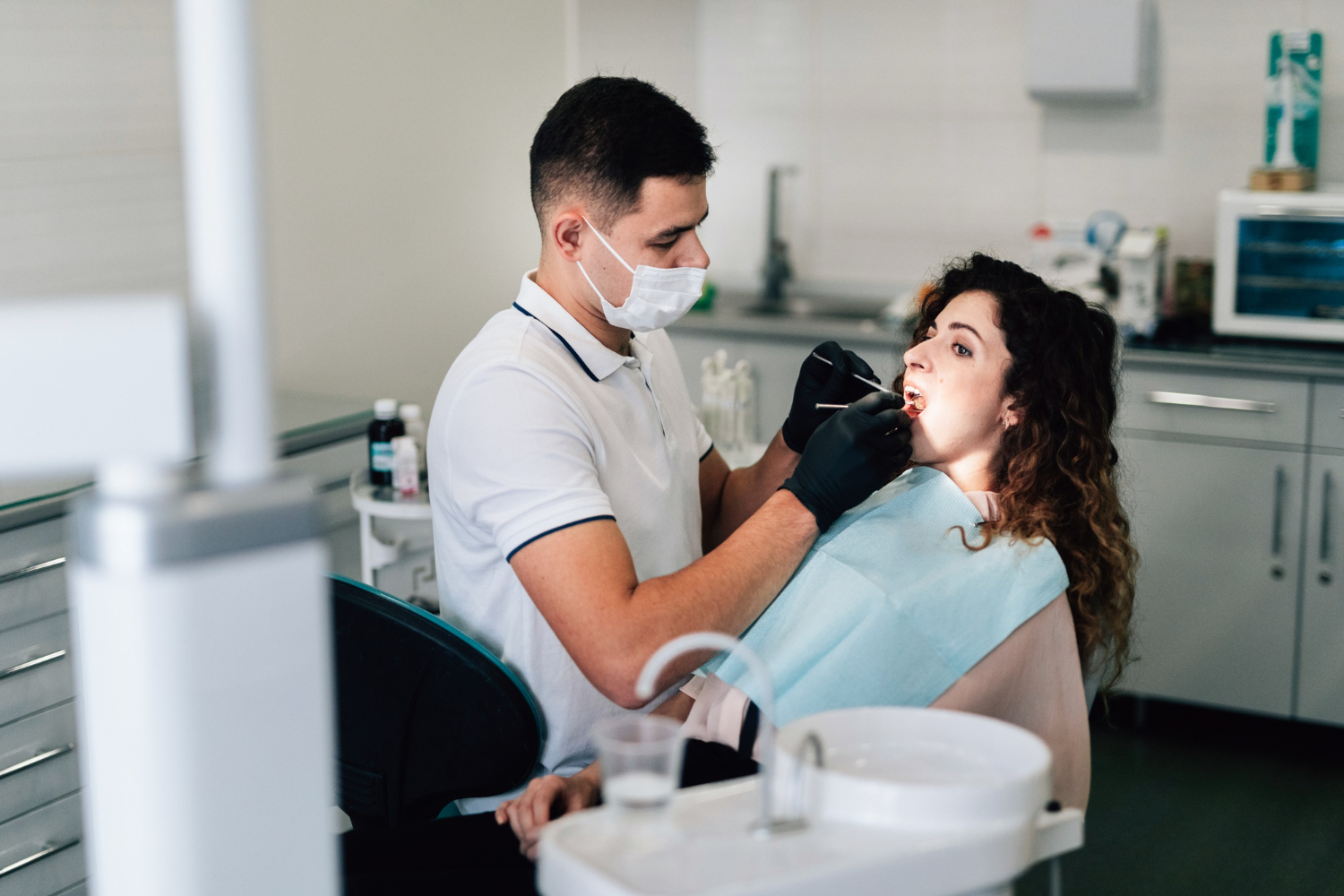
Maintaining excellent oral health involves much more than brushing twice a day and visiting the dentist when something feels wrong. A crucial part of preventive dental care is regular appointments with a dental hygienist. Hygienists are highly trained oral-health professionals who specialise in gum care, plaque control, oral hygiene education, and preventive treatments that reduce the risk of future dental complications. Yet many people in the UK, especially busy adults, underestimate how essential their role is.
If you have ever wondered what exactly hygienists do, whether you really need to see one, or how often you should book an appointment, this in-depth guide will give you everything you need to know. Understanding their role not only protects your teeth and gums but also supports your long-term general health.
What Does a Dental Hygienist Actually Do?
A dental hygienist’s primary focus is preventive dentistry — keeping your mouth healthy so that you can avoid complex or costly treatments later. While dentists diagnose and treat oral disease, hygienists concentrate on cleaning, prevention, and education. Their work directly reduces the risk of decay and gum disease, two of the most widespread dental issues in the UK.
Here are the core responsibilities of a dental hygienist:
- Professional Cleaning (Scaling and Polishing)
Hygienists remove plaque and tartar deposits from areas that brushing and flossing cannot reach. Even the most diligent oral-care routine at home is unable to remove hardened tartar, which continues to irritate the gums and contribute to inflammation.
A hygienist uses manual and ultrasonic instruments to gently and thoroughly clean above and below the gumline, followed by polishing to smooth the tooth surface and reduce bacterial build-up.
- Deep Cleaning for Gum Disease
If early gum disease (gingivitis) has progressed, hygienists may perform more advanced procedures known as root surface debridement or deep cleaning. These treatments target bacteria trapped deep around the tooth roots, helping stabilise gum health and prevent periodontitis from worsening.
- Gum Health Assessment
Hygienists are trained to identify signs of gum inflammation, recession, bleeding, or infection. They measure pocket depths, assess plaque levels, and examine the overall condition of the gums — essential for early detection of periodontal disease.
- Oral Hygiene Instruction
Many people believe they brush correctly, but studies show that a large majority of adults use the wrong technique. Hygienists demonstrate the correct brushing and interdental-cleaning methods tailored to your teeth, gumline, and lifestyle. They also recommend the best tools for your needs, such as electric brushes, interdental brushes, or water flossers.
- Stain Removal
Hygienists remove stains caused by tea, coffee, red wine, tobacco, curry, and other foods that cling to tooth enamel. Professional stain removal helps maintain a brighter, cleaner smile without harming the enamel.
- Fluoride Treatments
Fluoride strengthens enamel and helps protect against decay. Hygienists apply concentrated fluoride varnish when needed, especially for patients with sensitivity, weakened enamel, or a high risk of cavities.
- Preventive Advice
Diet, lifestyle choices, hydration, and brushing techniques all influence oral health. Hygienists provide personalised recommendations to help protect your teeth and gums long-term.
- Support Before and After Dental Treatments
Before orthodontic, implant, or cosmetic treatments, hygienists help improve gum health to ensure better outcomes. After treatment, they provide maintenance and monitoring to ensure long-term success.
Why You Need a Dental Hygienist
While many people assume seeing a dentist alone is enough, hygienists offer a unique set of benefits that are essential for maintaining long-term oral and general health.
- Prevention of Gum Disease
Gum disease is one of the most common health conditions in the UK, with many adults experiencing some level of inflammation or bleeding. It often develops silently, with no pain at first.
A hygienist helps prevent:
- Gingivitis
- Periodontitis
- Gum recession
- Tooth mobility
- Tooth loss
Regular hygiene appointments significantly reduce your risk.
- Better Control of Plaque and Tartar
Even with good brushing, plaque builds in hard-to-reach areas such as behind the lower front teeth and between molars. When plaque hardens into tartar, only a hygienist can remove it safely and effectively.
- Fresher Breath
Persistent bad breath often originates from gum disease, bacteria, or food debris stuck below the gumline. Hygienists remove these deposits, promoting fresher, healthier breath.
- Essential for Whitening and Cosmetic Success
If you plan to whiten your teeth or undergo cosmetic treatment, clean gums and plaque-free enamel are essential. Whitening products work best on clean surfaces, and hygienists prepare your mouth for optimal results.
- Early Disease Detection
Hygienists often spot early signs of decay, gum infection, erosion, or oral cancer. Early detection means easier, less invasive treatment.
- Improved Overall Health
Poor gum health is linked to:
- Heart disease
- Diabetes
- Respiratory infections
- Pregnancy complications
- Inflammation in the body
By reducing oral bacteria and inflammation, hygienists contribute to better overall wellbeing.
- Reduced Dental Costs
Prevention is far more cost-effective than treatment. Regular hygiene care can help avoid fillings, deep periodontal work, extractions, and implants in the future.
Common Signs You Should See a Hygienist
You may benefit from a hygiene appointment if you notice:
- Bleeding gums
- Redness or swelling
- Sensitivity when brushing
- Persistent bad breath
- A metallic taste
- Gum recession
- Tartar build-up
- Stains that don’t brush off
- Sensitivity to hot or cold foods
- Loose-feeling gums
Even without symptoms, preventive visits keep your mouth healthy and reduce future risks.
How Often Should You Visit a Dental Hygienist?
The ideal frequency varies depending on your oral health, lifestyle, and risk factors. However, general guidance includes:
Every 6 Months – For Most Adults
This is the standard recommendation for those with good oral health and no history of gum problems.
Every 3–4 Months – For Higher-Risk Individuals
You may need more frequent visits if you:
- Have had gum disease
- Smoke or vape
- Have diabetes
- Are pregnant
- Struggle with plaque build-up
- Have braces or aligners
- Drink lots of tea, coffee, wine, or fizzy drinks
- Have a dry mouth
Shorter intervals help maintain gum stability and prevent flare-ups.
Annually – For Very Low-Risk Patients
Some individuals with exceptionally good oral hygiene may only need annual visits, but this is less common.
What to Expect During a Hygiene Appointment
A typical visit includes:
Assessment
The hygienist checks gum health, plaque levels, tartar build-up, and any early signs of decay.
Cleaning
A combination of ultrasonic scalers and manual instruments removes plaque and tartar.
Polishing
This smooths the teeth and removes surface stains.
Airflow or Advanced Cleaning (If Needed)
Some consultations include airflow polishing for deeper stain removal.
Advice
Your hygienist will explain what they found and show you how to maintain healthier gums at home.
Treatment Recommendations
If gum disease is present, you may require follow-up sessions or deeper cleaning.
How Hygienists Support a Healthy Lifestyle
Modern research shows a strong connection between oral health and whole-body wellbeing.
Hygienists help you manage the oral impact of:
- Stress
- Smoking
- Diet
- Medical conditions
- Medications
- Hormonal changes
They provide guidance that fits your routine, making oral health easier to maintain long-term.
Why Hygienists Are Essential for Children and Teenagers
Young patients benefit greatly from hygiene visits because they can help prevent cavities, introduce correct brushing habits, and protect developing teeth. Teens with braces especially need professional cleaning due to the risk of plaque build-up around brackets.
Role of Hygienists in Cosmetic and Restorative Dentistry
Before treatments such as implants, veneers, bonding, or orthodontics, the gums must be healthy. Hygienists prepare the mouth for these procedures and support long-term maintenance afterward.
Healthy gums enhance the appearance of cosmetic results, helping your smile look bright, clean, and natural.
When Should You See a Dentist Instead of a Hygienist?
While hygienists manage gum care and prevention, you should see a dentist if you have:
- Toothache
- Visible decay
- Cracked teeth
- Infection or swelling
- Broken fillings
- Severe sensitivity
- Trauma or injury
Both professionals complement each other to maintain full dental health. Many patients choose to schedule regular hygiene sessions alongside their routine check-ups, especially when looking for a dental hygienist in London who can provide preventive care, stain removal, and tailored oral-health advice.
