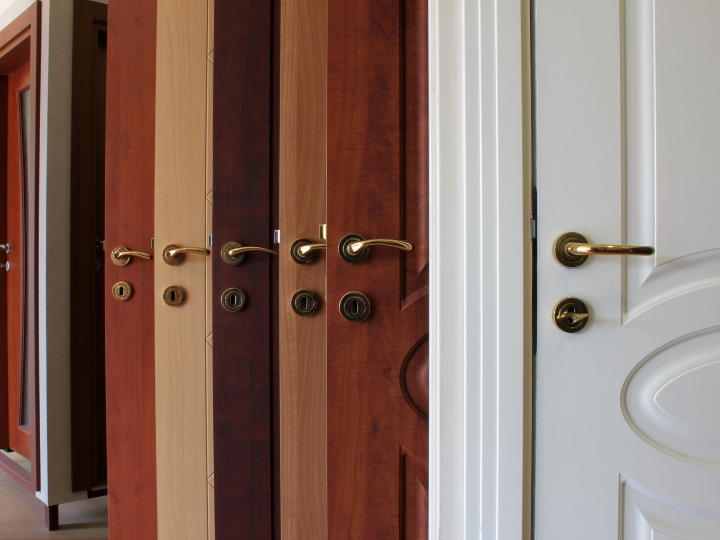
Choosing the right door for your home is more than just a design decision. The type of door you select can influence everything from the feel of a space to its acoustic performance and longevity. If you are considering semi solid internal doors, understanding how they compare with hollow core and solid doors in terms of weight, durability, and overall user experience is essential. Each type offers unique advantages, and understanding these differences will help you choose one that suits both your lifestyle and your interior design goals.
Understanding Different Door Types
Doors are not all created equal. The construction of a door directly affects its weight, strength, sound insulation, and overall feel. Here’s a quick breakdown of the three most common types of internal doors:
- Hollow Core Doors: These doors are lightweight and feature a thin outer shell enclosing a hollow interior. They are cost-effective and easy to handle but generally offer less durability and sound insulation.
- Semi-Solid Internal Doors: These doors feature a partially solid core, often combining timber and engineered materials. They strike a balance between the lightness of hollow doors and the robustness of solid doors, providing moderate soundproofing and a sturdier feel.
- Solid Doors: Typically made entirely of timber or engineered wood, these doors are heavier, more durable, and offer excellent sound insulation. They convey a sense of quality and sturdiness but can be more challenging to install and handle.
Weight Differences and Their Implications
Hollow Core Doors: Light and Easy to Handle
Hollow core doors are the lightest of the three. Their low weight makes them ideal for spaces where ease of installation or frequent movement are priorities. However, the lightweight construction can result in a less substantial feel, and these doors are more prone to dents or damage.
Semi-Solid Doors: Balanced Weight for Everyday Use
Semi solid doors sit between hollow and solid doors in terms of weight. This makes them easier to install than solid doors while still offering a substantial feel when opening and closing. The added mass contributes to better sound insulation and a sense of quality without being overly cumbersome.
Solid Doors: Heavy and Durable
Solid doors are the heaviest option, providing a premium feel and excellent durability. The extra weight contributes to superior soundproofing and a sense of solidity that is noticeable when opening and closing the door. However, their weight can make installation more demanding and may require stronger hardware.
The Feel and Functionality of Each Door Type
Hollow Core Doors
The light weight of hollow doors gives them a floaty feel when operated. While this can be advantageous in areas with frequent access, the lack of mass can also make them feel cheap or less secure.
Semi Solid Internal Doors
Semi solid doors provide a balanced tactile experience. They offer a satisfying, sturdy feel without being excessively heavy. The moderate weight ensures smooth operation and contributes to a perception of durability.
Solid Doors
Solid doors provide the most substantial experience. Their weight conveys a sense of security and permanence. The tactile feedback when opening or closing a solid door is firm and reassuring, making it ideal for bedrooms, home offices, or main living areas where privacy and quality are priorities.
Sound Insulation and Privacy Considerations
Weight often correlates with sound insulation. Hollow doors provide minimal noise reduction, which can be a drawback in busy households. Semi solid doors offer moderate noise dampening, making them suitable for bedrooms, bathrooms, or studies. Solid doors, being the heaviest and densest, offer the best soundproofing, making them ideal for high-traffic areas or spaces where privacy is essential.
Durability and Maintenance
Hollow core doors are more prone to dents and wear over time, especially in high-traffic areas. Semi solid doors strike a balance, being more resistant to damage while still lighter and easier to handle than solid doors. Solid doors are the most durable, often lasting decades if properly maintained, but they may require stronger hinges and occasional refinishing to preserve their appearance.
Final Thought
Selecting the right door involves considering weight, feel, sound insulation, and durability. Semi solid internal doors offer a versatile compromise, providing better soundproofing and sturdiness than hollow doors without the challenges of installing heavy solid doors. Understanding the differences among these door types ensures that your choice not only enhances your home aesthetically but also improves functionality and comfort in everyday life.
Frequently Asked Questions
1. Are semi solid internal doors better than hollow doors for sound insulation?
Yes, semi-solid doors provide better sound insulation due to their denser cores compared to hollow doors.
2. Can solid doors be installed in all areas of the house?
While solid doors can be used anywhere, their heavier weight may require stronger hardware and careful installation, especially in large doorways.
3. How long do semi-solid doors typically last?
With proper care, semi-solid doors can last 10–20 years, depending on usage and environmental conditions.
4. Are hollow-core doors suitable for bedrooms and bathrooms?
Hollow core doors can be used in these areas, but they offer limited privacy and sound insulation compared to semi solid or solid doors.
5. Do heavier doors impact hinge and frame requirements?
Yes, heavier doors, such as solid or semi-solid doors, require sturdy hinges and well-supported frames to ensure smooth operation and prevent sagging.