Introduction
Beard dandruff is a common problem for many men, but it often goes unnoticed or misunderstood. If you’re struggling with those flaky white specks on your beard, you’re not alone! Beard dandruff is not only annoying but can also be a bit embarrassing. So, what causes beard dandruff, and how can you get rid of it? Let’s dive into the common triggers of beard dandruff and how you can treat them.
Understanding Beard Dandruff
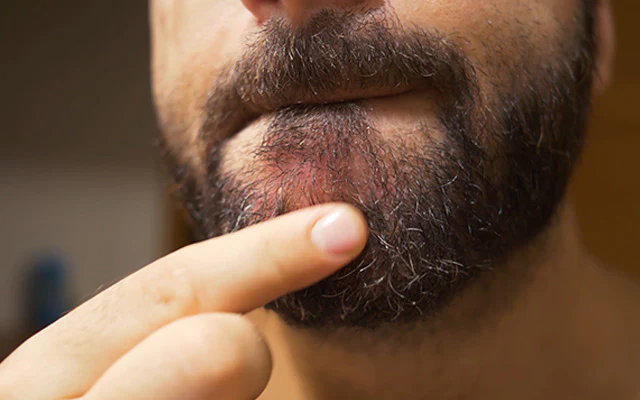
Before we start discussing how to treat beard dandruff, it’s important to understand what causes beard dandruff in the first place. Beard dandruff occurs when your skin underneath your beard becomes irritated, leading to flakiness, itchiness, and sometimes redness. It’s similar to scalp dandruff, but because the skin on your face is more sensitive, beard dandruff can be more noticeable.
What causes beard dandruff? There are several common triggers, and each can be managed with proper care. Let’s explore them.
Common Causes of Beard Dandruff
Several factors can cause beard dandruff, ranging from simple dryness to underlying skin conditions. Here’s a closer look at the most common ones:
Dry Skin
The most common cause of beard dandruff is dry skin. Just like the scalp, the skin under your beard can become dry and flaky, especially during colder months. Dry air, hot showers, and not moisturizing enough can all lead to dry, irritated skin.
Seborrheic Dermatitis
This is a skin condition that causes red, inflamed, and scaly patches on the skin. It’s one of the leading causes of dandruff, both on the scalp and under your beard. Seborrheic dermatitis is linked to an overproduction of sebum (oil), which can cause the skin to flake.
Fungal Infections
Fungal infections, particularly caused by a yeast called Malassezia, can be a common culprit. These infections thrive on the oily areas of the skin, causing flaking and irritation. This is often why dandruff can be more noticeable in the beard area.
Poor Hygiene
Not washing your beard properly can result in a buildup of oils, dead skin cells, and dirt. This buildup can lead to beard dandruff as it irritates the skin beneath your beard. Keeping your beard clean and well-groomed is essential to prevent this.
Allergies and Sensitivities
Some men may experience beard dandruff due to sensitivities to certain products, like beard oils, shampoos, or soaps. If you’ve recently switched to a new product and noticed dandruff forming, it might be due to an allergic reaction.
Symptoms of Beard Dandruff
So, how can you tell if you’re dealing with beard dandruff? If your skin is flaky, itchy, or red beneath your beard, you’re likely dealing with dandruff. The flakes can range from tiny, fine ones to larger, more noticeable ones. Sometimes, the skin may also appear greasy or oily.
How to Treat Beard Dandruff
Treating beard dandruff depends on the cause. Here are some effective treatments for managing and eliminating it:
Using Specialized Beard Shampoo
One of the first steps in treating beard dandruff is using a beard shampoo that is specifically designed to cleanse your facial hair without irritating the skin. Beard shampoos often contain ingredients that help hydrate the skin and remove excess oils, which can reduce dandruff over time.
Moisturizing Your Beard
Hydrating the skin beneath your beard is crucial for preventing dryness. Use a high-quality beard oil or balm to keep the skin and hair moisturized. These products will also help soften the hair, making your beard look and feel better overall.
Treating Fungal Infections
If a fungal infection is the cause of your dandruff, using an anti-fungal shampoo or cream is essential. Products containing ketoconazole or zinc pyrithione can help kill the yeast responsible for dandruff.
Keeping Your Beard Clean
Regular cleaning is key to preventing beard dandruff. Wash your beard at least 2–3 times a week to remove excess oils, dead skin cells, and dirt. Make sure to use a mild, non-irritating cleanser to avoid stripping your skin of its natural oils.
Avoiding Harsh Products
Certain products, such as those containing harsh chemicals or alcohol, can worsen beard dandruff. Avoid using these products, as they can dry out your skin and exacerbate the issue.
Natural Remedies for Beard Dandruff
If you prefer a more natural approach, several home remedies can help soothe and treat beard dandruff:
Tea Tree Oil
Tea tree oil is well-known for its antifungal and antibacterial properties. Applying a diluted solution of tea tree oil to your beard can help reduce dandruff caused by fungal infections.
Coconut Oil
Coconut oil is a natural moisturizer that can soothe dry, flaky skin. It also has antifungal properties, making it a great remedy for beard dandruff.
Aloe Vera
Aloe vera is another excellent natural treatment. It can help moisturize the skin, reduce inflammation, and promote healing.
Apple Cider Vinegar
Apple cider vinegar can help balance the pH of your skin and fight fungal infections. Dilute it with water and apply it to your beard to reduce dandruff and irritation.
Preventing Beard Dandruff
Once you’ve successfully treated your beard dandruff, it’s essential to establish a routine that helps prevent it from coming back:
Regular Beard Care Routine
Develop a daily beard care routine that includes washing, moisturizing, and trimming. Regular care will keep your beard healthy and reduce the chances of dandruff.
Eating a Healthy Diet
A healthy diet rich in vitamins and minerals, particularly omega-3 fatty acids, can help improve your skin health. Foods like fish, nuts, and leafy greens can provide your skin with the nutrients it needs to stay moisturized.
Hydrating Properly
Drinking enough water each day helps keep your skin hydrated from the inside out. Dehydration can lead to dry, flaky skin, so make sure you’re drinking plenty of water.
When to See a Dermatologist
If your beard dandruff persists despite your efforts, or if you notice severe redness, swelling, or pain, it’s time to consult a dermatologist. They can prescribe medicated treatments or perform tests to identify underlying conditions.
Conclusion
Beard dandruff can be a frustrating issue, but with the right care and attention, it can be managed and treated. Whether it’s caused by dry skin, a fungal infection, or poor hygiene, understanding what causes beard dandruff and how to treat it is the first step toward a flake-free beard. Remember to keep your beard clean, moisturized, and healthy, and try natural remedies for added relief. If the problem persists, don’t hesitate to seek professional help from a dermatologist.
FAQs
- How often should I wash my beard to prevent dandruff?
Washing your beard 2–3 times a week with a mild beard shampoo is recommended to keep dandruff at bay. - Can diet affect beard dandruff?
Yes, a healthy diet rich in vitamins, minerals, and omega-3 fatty acids can help maintain healthy skin and reduce dandruff. - Is beard dandruff a sign of poor hygiene?
Not necessarily. Beard dandruff can occur for various reasons, including dry skin or skin conditions, even with good hygiene. - What is the best treatment for severe beard dandruff?
For severe dandruff, try using an antifungal shampoo or consult a dermatologist for prescription treatments.
- Can I use scalp dandruff shampoo on my beard?
- Yes, but be sure to choose a mild one. Harsh ingredients in some scalp shampoos can irritate your facial skin.
Read more articles.