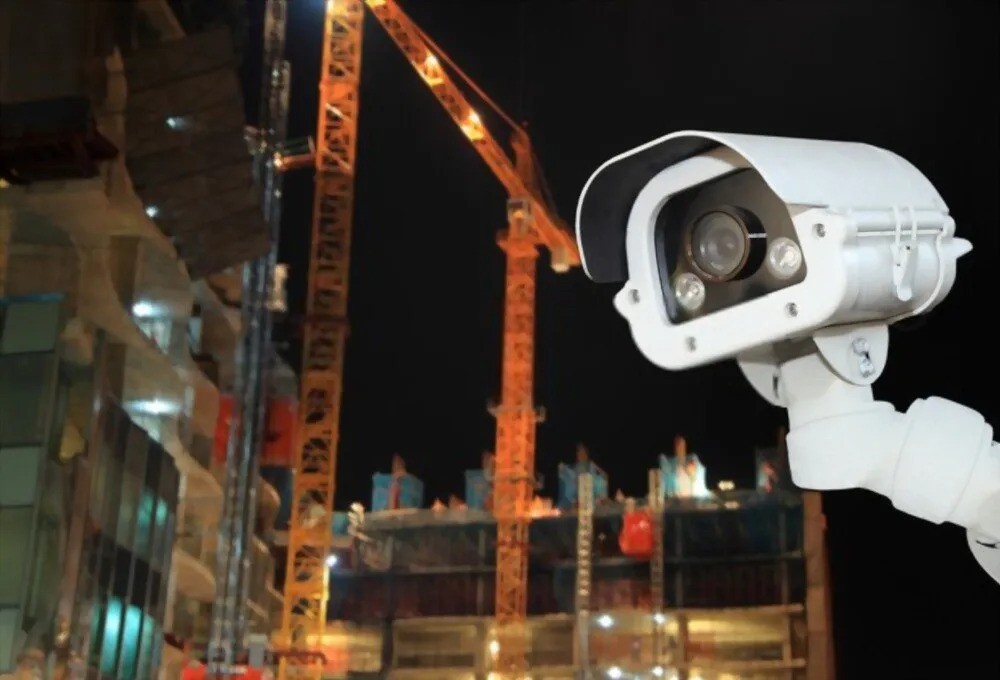
Let’s be honest: construction sites are a magnet for trouble. Between expensive equipment sitting out overnight and materials worth thousands just lying around, it’s no wonder theft is such a massive problem. Tycoon Guards has seen firsthand how proper construction site surveillance can be the difference between a smooth project and a costly nightmare. We’re talking about way more than just sticking up a few cameras and calling it a day.
Here’s something that might surprise you: the construction industry bleeds billions every year from theft and vandalism alone. And it’s not just about the money. When someone breaks in and steals your tools or damages equipment, projects get delayed. Workers show up with nothing to do. Deadlines get missed. It’s a domino effect that hurts everyone involved.
What Makes Today’s Construction Video Surveillance Different
Remember those grainy security camera feeds that barely showed anything useful? Yeah, those days are long gone. Modern construction video surveillance is actually impressive. We’re talking about systems that can spot trouble before it happens, send alerts straight to your phone, and record everything in crystal-clear quality whether it’s noon or midnight.
The cameras now come with night vision that actually works. They can handle whatever weather you throw at them: scorching heat, pouring rain, dust storms, you name it. This isn’t your average electronics store security camera. These things are built tough because they have to be.
What really makes a difference though is how everything connects. When your cameras work together with alarms, access controls, and good old-fashioned fencing, you’ve got real security. One layer might slow someone down, but multiple layers? That’s when thieves decide your site isn’t worth the hassle.
Real-Time Monitoring Changes Everything
This is where construction live video surveillance really shines. Instead of finding out about problems the next morning when you review footage, you know immediately when something’s wrong. Your security team can watch multiple sites at once from a central location, or even check in from their phone while grabbing coffee.
Think about what this means practically. You’re managing three different projects across town. It’s 2 AM and you get an alert. You pull up the live feed on your phone and see it’s just a stray dog that triggered the motion sensor. Crisis averted, and you didn’t even have to get out of bed. That’s the kind of convenience we’re talking about.
But it goes beyond just catching bad guys. Site managers love being able to check on work progress remotely. Did that concrete pour happen on schedule? Is the crew working safely? You don’t have to drive across town to find out. Just pull up the feed.
Safety is another huge benefit that people don’t always think about. When supervisors can spot unsafe conditions as they’re happening, they can intervene immediately. Someone working without proper safety gear? Equipment being used incorrectly? You catch it right away instead of after someone gets hurt.
Setting Up Construction Site Video Surveillance That Actually Works
Here’s where a lot of companies mess up. They buy expensive cameras but don’t think through the placement. Good construction site video surveillance needs strategy. You want cameras covering every entry point, obviously. But don’t forget about where you’re storing equipment and materials. Those tool sheds? Definitely need coverage. That pile of copper wiring? Yeah, that too.
Height matters more than you’d think. Mount cameras too low and someone can just knock them down or spray paint over the lens. Too high and you lose detail. There’s a sweet spot that balances tamper resistance with getting good footage.
Let’s talk about image quality for a second. Cheap cameras might seem fine until you actually need to identify someone or read a license plate. Then you discover that blurry mess isn’t helping anybody. Invest in high-definition cameras from the start. You’ll thank yourself later when you’re actually trying to use the footage.
Storage is another thing people underestimate. How long do you need to keep footage? Most projects benefit from at least 30 days of retention. Cloud storage has gotten really good for this because even if someone destroys your on-site equipment, your footage is safe and accessible from anywhere.
Choosing the Right Construction Site Surveillance Camera Setup
Not all construction site surveillance camera types work for every situation. Those pan-tilt-zoom cameras are fantastic for covering large open areas because you can control where they’re looking remotely. Fixed cameras work better for specific spots you know need constant monitoring, like gates or equipment yards.
Ever heard of thermal cameras? They’re kind of amazing. These things can detect people and vehicles in complete darkness by their heat signature. Fog, dust, smoke? Doesn’t matter. They see right through it. They’re pricier than regular cameras but for certain situations, they’re worth every penny.
Wireless cameras have made life so much easier on active construction sites. Running cables through an active work zone is a pain and they often get damaged anyway. Wireless units, especially solar-powered ones, can go anywhere you need coverage without worrying about power or network connections.
The smart features available now are pretty incredible too. Motion detection that learns what normal activity looks like and only alerts you to actual problems. Facial recognition that can flag unauthorized people. These AI-powered systems cut down on false alarms big time.
Getting Your Money’s Worth
Security is the obvious benefit, but surveillance systems pay for themselves in ways you might not expect. Time-lapse videos of your project make fantastic marketing material. Showing potential clients a seamless progression from empty lot to finished building? That’s powerful stuff.
Video evidence settles disputes fast. Worker claims they got injured because of unsafe conditions? Contractor says they finished work that you can’t see completed? The footage tells the real story. No more he-said-she-said situations that drag on forever.
Insurance companies have caught on too. Many offer significant discounts on premiums when you have comprehensive surveillance. Some sites recoup their camera costs just from insurance savings within the first year.
Here’s something interesting: productivity insights. When managers review footage, they often spot inefficiencies nobody realized were happening. Maybe equipment sits idle for hours. Maybe the site layout causes unnecessary back-and-forth. These discoveries lead to changes that save real money.
Where This Technology Is Headed
AI keeps getting smarter, which means security systems do too. Modern algorithms can predict problems by recognizing patterns. They learn what normal looks like on your specific site and flag anything unusual before it becomes a real issue.
Drones are becoming part of the security equation. They can patrol large sites automatically, providing aerial views that ground cameras miss. When an alarm goes off, a drone can fly over and assess the situation in seconds.
Some companies are integrating their surveillance with building information modeling software. This creates a complete digital picture of the project where you can click on any element and see the relevant video footage. It sounds fancy, but it makes managing complex projects much more straightforward.
Final Thoughts
Look, construction sites will always face security challenges. That’s just reality. But the technology available now gives you actual control over those challenges instead of just hoping for the best. Good surveillance systems protect your equipment, keep workers safe, document everything for legal purposes, and even help optimize operations.
The initial investment might seem steep, but when you factor in preventing even one major theft, the return on investment becomes obvious. As projects get bigger and more complex, professional video monitoring stops being a nice-to-have and becomes absolutely essential. Your competition is probably already using it. Maybe it’s time you did too.