The landscape of modern surgery is one of constant evolution, driven by a pursuit of less invasive techniques, faster patient recovery, and superior clinical outcomes. Central to this progress is the development of specialized surgical instruments that empower surgeons to perform complex procedures with greater accuracy and control. In the delicate realm of dental and oral surgery, particularly during extractions, the ability to separate a tooth from its surrounding structures with minimal trauma is paramount. This need has spurred the creation of innovative tools designed specifically for this purpose.
Among the most significant advancements in this area are proximators. These instruments are engineered to facilitate atraumatic tooth removal by precisely severing the periodontal ligament. Their unique design represents a significant step forward from more traditional, often forceful extraction methods. At GreyMedical®, our dedication as a privately owned medical technology company is rooted in fostering this type of innovation. We are committed to the craft of surgical instruments, striving for an excellence that provides practitioners with the confidence and precision they need to elevate patient care.
The Challenge of Traditional Tooth Extraction
To fully appreciate the role of modern instrumentation, it is helpful to understand the limitations of conventional extraction techniques. Historically, tooth removal often relied on elevators and forceps, tools designed to luxate and then pull a tooth from its socket. While effective, this approach can sometimes exert significant force on the surrounding alveolar bone. This can lead to undesirable consequences, such as fracture of the buccal plate, excessive bone loss, and increased postoperative pain and swelling for the patient.
Furthermore, preserving the integrity of the socket is critically important, especially when a dental implant is planned for the site. Significant damage to the bone during extraction can complicate or even prevent future implant placement without the need for additional bone grafting procedures. This has created a strong clinical demand for techniques and instruments that prioritize bone preservation. Surgeons and dentists required a more refined method to meticulously detach the tooth from the bone, rather than relying on leverage and force. This clinical need set the stage for the development of tools specifically designed for atraumatic dissection.
The Innovative Edge of Proximators
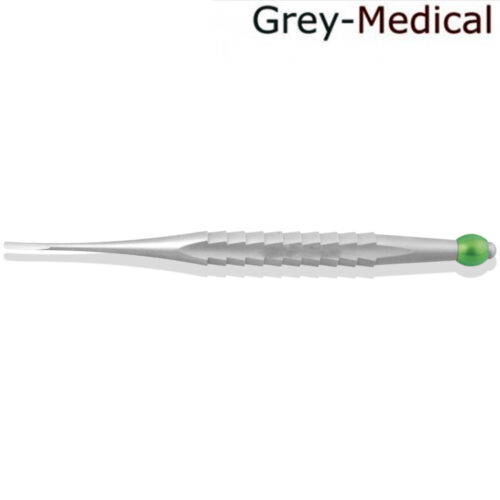
This is precisely the gap that proximators are designed to fill. Unlike traditional elevators that are used to pry and lift, these instruments function more like a micro-scalpel for the periodontal ligament. They feature thin, sharp, and often flexible tips that are designed to be carefully inserted into the periodontal ligament space. The surgeon uses a subtle, controlled motion to work the instrument around the circumference of the root, methodically cutting the ligament fibers that anchor the tooth to the bone.
This process of severing the periodontal ligament before applying any extractive force is the core principle of an atraumatic extraction. It effectively frees the tooth from its primary attachment, allowing it to be removed with significantly less resistance and, consequently, less force. The result is a cleaner extraction with minimal damage to the surrounding socket walls. GreyMedical® recognizes the profound impact of such thoughtful design. Our commitment to innovation is driven by the goal of creating instruments that are not just functional, but are extensions of the surgeon’s skill, enabling less invasive and more predictable procedures.
Clinical Applications and Key Advantages
The primary application for proximators is in performing atraumatic extractions in preparation for immediate or delayed dental implant placement. By preserving the delicate bone of the socket, these instruments help to create an ideal foundation for the future implant. This can lead to better esthetic outcomes, reduced need for adjunctive grafting procedures, and a more streamlined treatment process for the patient. The preservation of the buccal plate is particularly crucial for maintaining the natural contour of the gumline, which is a key factor in the aesthetic success of anterior implants.
Beyond implantology, the gentle nature of an extraction performed with these tools is beneficial in nearly any scenario. Patients experience less postoperative discomfort and swelling, contributing to a more positive overall experience. The technique is also invaluable when removing teeth with complex root morphology or those that are ankylosed, where traditional methods might carry a higher risk of root fracture or collateral damage. The precision afforded by proximators gives the clinician greater control over the procedure, reducing stress and increasing the likelihood of a successful and uneventful outcome. This level of refinement is what GreyMedical® strives to deliver in every instrument we produce.
Mastering the Technique for Optimal Results
While proximators offer significant advantages, their effective use requires a specific technique and a degree of finesse. It is not an medical instrument of force. Instead, success lies in patience and a delicate touch. The clinician must develop a tactile sense for the periodontal ligament space, guiding the tip along the root surface to ensure all fibers are severed. Rushing the process or applying excessive force negates the purpose of the instrument and can lead to tip fracture or iatrogenic damage.
Proper training and a commitment to mastering this atraumatic technique are essential for any practitioner looking to incorporate these instruments into their practice. However, the learning curve is rewarded with vastly improved surgical outcomes and enhanced patient satisfaction. Investing in high-quality instruments is the other critical component. The sharpness, durability, and ergonomic design of the instrument directly impact its effectiveness and ease of use. GreyMedical®’s pursuit of excellence in the craft of surgical instruments ensures that clinicians have access to tools that are not only innovative but also reliable and meticulously crafted to perform as intended.
Conclusion: A New Standard in Surgical Care
The shift towards atraumatic techniques in oral surgery signifies a broader movement towards more patient-centric and preservation-focused care. Instruments like proximators are at the heart of this movement, providing the practical means to achieve these important clinical goals. They transform tooth extraction from a procedure of force into one of surgical precision. As a privately owned medical technology company, GreyMedical® is honored to contribute to this advancement. We remain unwavering in our dedication to innovation and excellence, crafting the next generation of surgical instruments that empower surgeons to deliver the highest standard of care and achieve the best possible outcomes for their patients.