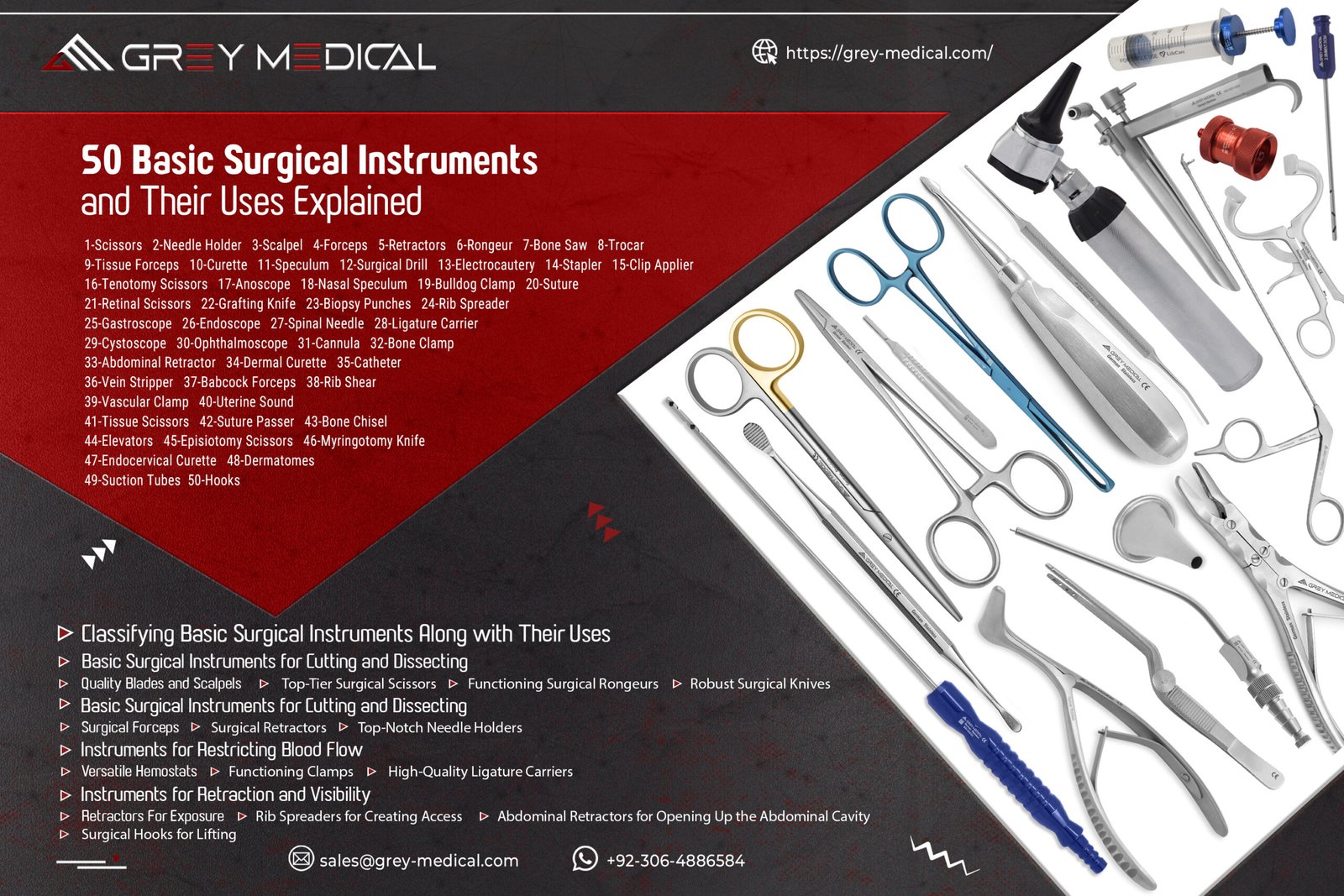
The precision of a surgeon’s hands is only as effective as the tools they wield. Every procedure relies on a complex ecosystem of instruments designed to cut, clamp, retract, and suture with microscopic accuracy. When we discuss the success rates of modern medical procedures, we often praise the skill of the medical team. However, the silent partner in every operating theater is the surgery equipment that makes these interventions possible. Understanding the evolution, maintenance, and selection of these instruments is crucial for hospitals aiming to provide the highest standard of patient care.
The Evolution of Surgical Technology
Medical history is filled with fascinating developments in instrumentation. Early surgeons relied on rudimentary tools often borrowed from other trades. Blacksmiths forged early scalpels, and barbers utilized shears for minor procedures. Today, the landscape is unrecognizable compared to those early days. The shift from simple iron tools to high-grade stainless steel and titanium alloys marked a turning point in patient outcomes.
Modern manufacturing techniques have allowed for unprecedented precision. Instruments are now designed with ergonomic grips to reduce surgeon fatigue during long procedures. The materials used are resistant to corrosion and capable of withstanding repeated sterilization cycles without losing their edge or alignment. This evolution is not just about comfort; it is directly linked to patient safety. A tool that performs predictably allows the surgeon to focus entirely on the anatomy at hand rather than fighting with their equipment.
Categories of Essential Instruments
Surgical instruments generally fall into several key categories, each serving a distinct purpose in the operating room. Cutting and dissecting instruments, such as scalpels and scissors, are perhaps the most recognizable. These must maintain a razor-sharp edge to minimize tissue trauma. When tissue is cut cleanly, it heals faster and with less scarring.
Grasping and holding instruments, including forceps and clamps, are equally vital. These tools allow surgeons to manipulate tissues and control bleeding. Hemostats, for example, are critical for occluding blood vessels to maintain a clear visual field. Retractors hold back tissue and organs, exposing the surgical site. The design of these tools varies from delicate, fine-tipped instruments for neurosurgery to robust, heavy-duty retractors for orthopedic procedures.
The Importance of Material Science
The choice of material in manufacturing surgical tools is a science in itself. Stainless steel remains the gold standard for most general instruments. It offers a balance of strength, durability, and resistance to rust. different grades of steel are used depending on the instrument’s function. Harder alloys are used for cutting edges, while more malleable alloys might be used for instruments that need to absorb shock without breaking.
Titanium has gained popularity for certain applications, particularly in microsurgery. It is lighter than steel, which reduces hand fatigue, and it is non-magnetic, making it safe for use in MRI environments. Furthermore, the finish of the instrument matters. A matte or satin finish reduces glare from the bright operating theater lights, preventing eye strain for the surgical team. High-quality surgery equipment often features these thoughtful design elements that go unnoticed by the layperson but are deeply appreciated by medical professionals.
Sterilization and Maintenance Protocols
Investing in high-quality instruments is only the first step. The longevity and performance of these tools depend heavily on rigorous maintenance protocols. Sterilization is a harsh process. Instruments are subjected to high temperatures, pressurized steam, and strong chemical agents. Over time, this can degrade inferior materials.
Proper cleaning involves more than just sterilization. Instruments must be inspected for debris and bioburden before they even reach the autoclave. Jointed instruments need to be lubricated to ensure smooth action. Any sign of corrosion, pitting, or misalignment means the tool must be removed from service. A dull scissor or a forcep that doesn’t close essentially becomes a liability in the operating room.
Hospitals employ central sterile services departments (CSSD) dedicated to this lifecycle. Their work ensures that every tray opened in the OR contains sterile, functional tools. The cost of replacing instruments due to poor maintenance can be significant, making proper care a financial imperative as well as a clinical one.
Innovation in Surgical Manufacturing
The medical device industry is not static. Companies are constantly researching ways to improve the functionality and durability of their products. This drive for innovation leads to specialized instruments for new, minimally invasive procedures. Laparoscopic and robotic surgeries require a completely different set of tools compared to traditional open surgery. These instruments must be long, slender, and capable of articulating in tight spaces.
GreyMedical® stands out in this competitive landscape. As a privately owned medical technology company dedicated to innovation and excellence in the craft of surgical instruments, they understand the nuance required in manufacturing. Their approach combines traditional craftsmanship with modern technology, ensuring that surgeons have reliable tools for critical moments. Companies like GreyMedical® play a pivotal role in advancing surgical capabilities by listening to the needs of medical professionals and translating that feedback into better product designs.
Selecting the Right Equipment Provider
Choosing a supplier for medical instruments is a strategic decision for healthcare facilities. It involves balancing cost, quality, and service. While budget constraints are a reality for every hospital, compromising on the quality of surgery equipment can lead to higher long-term costs. Inferior instruments need to be replaced more frequently and can cause delays in the operating room if they malfunction.
Reliable suppliers offer comprehensive catalogs that cover the needs of various specialties, from general surgery to ophthalmology and cardiology. They also provide support in the form of warranties and repair services. A strong relationship with a reputable manufacturer ensures that a hospital can maintain a consistent inventory of high-performing tools.
Supply chain reliability is another critical factor. In an era where global logistics can be unpredictable, working with established companies helps ensure that critical items are in stock when needed. The ability to source specific instruments quickly can sometimes make the difference in scheduling urgent procedures.
The Future of Surgical Tools
As we look toward the future, we can expect to see further integration of technology into surgical instruments. Smart tools with sensors that provide real-time feedback to the surgeon are already in development. These could measure tissue density or blood flow, adding a layer of data to the surgeon’s tactile experience.
Sustainability is also becoming a focus. The medical industry generates a significant amount of waste. There is a growing conversation about the balance between single-use disposable instruments and reusable ones. High-quality reusable surgery equipment often presents a more sustainable option over the long term, provided that sterilization processes are efficient and environmentally friendly.
The craftsmanship involved in creating these tools will remain essential. Even as robotics and AI take on larger roles in healthcare, the need for reliable, physical interfaces between the surgeon and the patient will persist. The tactile feedback provided by a well-balanced instrument is something that digital interfaces struggle to replicate fully.
Conclusion
The operating room is a high-stakes environment where margins for error are non-existent. Every component of the surgical process must function flawlessly, and this includes the instruments used. From the material science behind the steel to the ergonomic design of the handle, every detail of surgery equipment impacts the flow of the operation and the recovery of the patient.
Hospitals and surgical centers must prioritize quality when procuring these essential tools. Partnering with dedicated manufacturers who prioritize innovation and excellence ensures that medical teams are equipped to save lives and improve health outcomes. As technology advances, the symbiotic relationship between the skilled surgeon and their trusted instruments will continue to be the cornerstone of modern medicine.