Introduction
Asphalt trucking plays a critical role in road construction, commercial paving, and infrastructure maintenance. Without reliable dump truck hauling services, even the best asphalt mix loses quality before it reaches the job site.
For contractors and business owners, understanding how asphalt trucking works helps prevent costly delays, temperature loss, material waste, and compliance issues. This guide explains asphalt trucking from an industry-experienced perspective—how it works, why it matters, and how professional dump truck companies ensure consistent, on-time delivery.
What Is Asphalt Trucking?
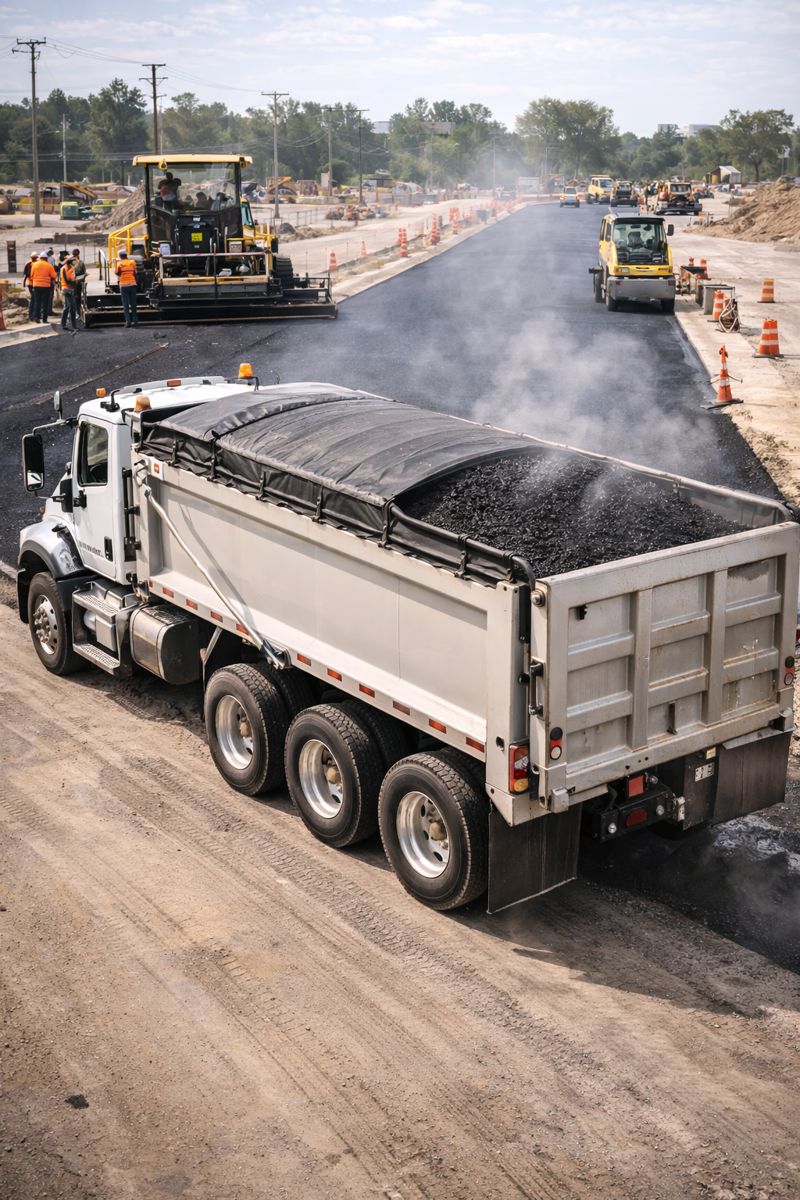
Asphalt trucking refers to the transportation of hot or warm asphalt mix from an asphalt plant to a construction or paving site using specialized dump trucks. The process is time-sensitive and temperature-dependent, requiring proper equipment, trained drivers, and efficient logistics.
Unlike hauling aggregate or debris, asphalt trucking demands precision. Asphalt must arrive within a specific temperature range to maintain workability and compaction quality.
Key components include:
-
Insulated dump truck beds
-
Tarp systems to retain heat
-
Scheduled plant pickups
-
Coordinated job-site unloading
Why Asphalt Trucking Quality Matters
Poor asphalt trucking leads to material failure before paving even begins. Temperature drops, late deliveries, or contamination can compromise the entire project.
Real-world consequences include:
-
Asphalt cooling below workable temperatures
-
Uneven compaction and premature cracking
-
Project delays and added labor costs
-
Failed inspections or warranty issues
Professional dump truck companies reduce these risks through experience, equipment maintenance, and route planning.
Types of Dump Truck Companies That Handle Asphalt
Not all dump truck companies are equipped for asphalt hauling. Asphalt trucking requires trucks and crews trained specifically for hot material transport.
Common provider types include:
-
Specialized asphalt trucking companies
-
Multi-service dump truck hauling services
-
Contracted fleets working with asphalt plants
-
Regional dump truck companies serving commercial zones
When selecting a dump truck company, verify they regularly haul asphalt—not just aggregates or demolition debris.
How Asphalt Is Transported Safely
Temperature Control
Asphalt typically leaves the plant between 275°F and 320°F. Maintaining that temperature during transit is essential.
Best practices include:
-
Insulated steel beds
-
Heat-retaining tarps
-
Short haul distances when possible
-
Fast turnaround times
Cleanliness and Contamination Prevention
Dump truck hauling services must keep beds free of debris, dirt, and moisture. Contaminants weaken asphalt bonds and reduce pavement lifespan.
Common Asphalt Trucking Use Cases
Asphalt trucking supports a wide range of construction projects, including:
-
Commercial parking lots
-
Municipal road resurfacing
-
Highway expansion projects
-
Industrial site paving
-
Private roadway installations
Each use case may require different truck sizes, load volumes, and delivery timing.
Scheduling and Logistics Challenges
Asphalt trucking is heavily dependent on timing. Asphalt plants, paving crews, and dump truck companies must operate in sync.
Common challenges include:
-
Plant production delays
-
Traffic congestion
-
Weather conditions
-
Job-site readiness issues
Experienced dump truck companies plan routes, adjust schedules, and communicate in real time to keep material moving efficiently.
Regulations and Compliance in Asphalt Trucking
Asphalt trucking must comply with local, state, and federal regulations. These rules protect road safety, workers, and infrastructure.
Key compliance areas include:
-
Truck weight limits
-
Load securement and tarping laws
-
Driver qualifications and hours of service
-
Environmental spill prevention
Hiring licensed and insured dump truck hauling services helps contractors avoid fines, shutdowns, or liability issues.
How to Choose the Right Dump Truck Company
Selecting the right asphalt trucking partner directly impacts project success.
What to look for:
-
Proven asphalt hauling experience
-
Well-maintained, insulated trucks
-
Reliable dispatch and communication
-
Local route knowledge
-
Transparent pricing and availability
Avoid choosing solely based on price. In asphalt trucking, reliability and consistency matter more than low rates.
Cost Factors in Asphalt Trucking
Asphalt trucking costs vary based on several factors:
-
Distance from plant to site
-
Load size and frequency
-
Fuel prices
-
Traffic and access conditions
-
Project duration
Professional dump truck companies provide clear estimates based on logistics, not guesswork.
Best Practices for Contractors Using Asphalt Trucking Services
Contractors can improve outcomes by working closely with their hauling partners.
Best practices include:
-
Scheduling deliveries in advance
-
Confirming plant production times
-
Preparing job sites before trucks arrive
-
Assigning on-site traffic control
-
Communicating delays immediately
These steps reduce idle time, material loss, and crew downtime.
FAQs About Asphalt Trucking
What is asphalt trucking used for?
Asphalt trucking is used to transport hot asphalt mix from production plants to paving sites. It supports road construction, parking lot paving, and infrastructure repair projects where temperature-controlled delivery is essential for proper installation and durability.
How do dump truck companies keep asphalt hot during transport?
Dump truck companies use insulated beds, tarping systems, and efficient routing to maintain asphalt temperature. Short haul distances and coordinated scheduling also reduce heat loss during transport.
Can any dump truck company haul asphalt?
No. Asphalt trucking requires specialized equipment and experience. Not all dump truck companies are equipped with insulated beds or trained drivers for handling hot asphalt safely and efficiently.
How far can asphalt be hauled before it cools?
The workable hauling distance depends on weather, insulation, and traffic. In most cases, asphalt is hauled within 30–60 minutes to maintain proper temperature for paving.
What happens if asphalt arrives too cold?
Cold asphalt becomes difficult to spread and compact. This leads to weak pavement structure, premature cracking, and possible project failure.
Is asphalt trucking regulated?
Yes. Asphalt trucking must comply with transportation, weight, safety, and environmental regulations. Professional dump truck hauling services ensure compliance to avoid legal and safety issues.
How do I choose reliable dump truck hauling services?
Look for experience with asphalt, maintained equipment, strong communication, and positive contractor references. Reliability matters more than price in asphalt trucking.