
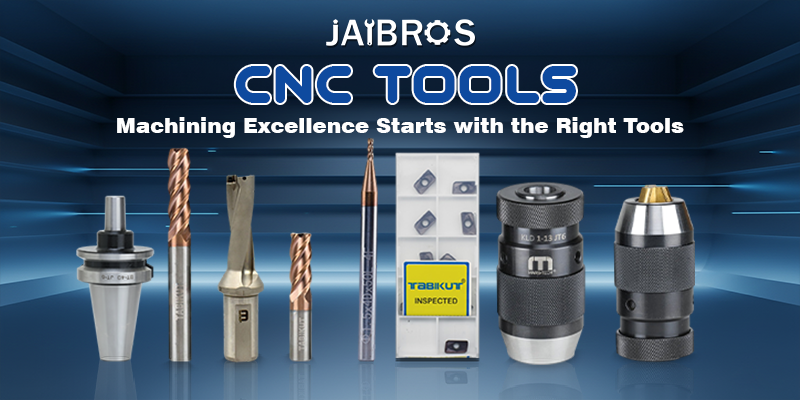
How the Right CNC Tool Strategy Improves Productivity
In modern manufacturing, productivity is no longer defined only by machine speed. It depends on how effectively machining processes are planned, executed, and optimized. One of the most important factors influencing productivity is the strategy used for selecting and managing the CNC tool during operations. A well-planned tooling strategy reduces downtime, improves accuracy, and ensures consistent output.
Understanding CNC Tool Strategy
A tooling strategy is the planned method of selecting, using, maintaining, and replacing cutting tools during machining. Rather than choosing tools randomly, a structured strategy ensures that the CNC tool matches the material, operation type, and production goals.
Modern workshops rely on advanced CNC machine tools that are capable of high-speed and high-precision machining. However, without the right tooling approach, even the most advanced machines cannot deliver optimal productivity.
Choosing the Right Tool for Each Operation
Different machining operations require different tools. Roughing, finishing, drilling, and profiling all place unique demands on tooling. Selecting the correct CNC for each task reduces cutting resistance, minimizes vibration, and improves machining stability.
In processes like CNC milling, using application-specific tools allows higher feed rates and smoother cutting, resulting in faster cycle times and better surface finish.
Optimizing Feeds, Speeds, and Tool Life
A strong tooling strategy focuses on balancing cutting parameters with tool durability. Running tools too conservatively reduces productivity, while aggressive parameters can cause premature failure.
High-quality CNC tools allow machinists to optimize feeds and speeds safely. This balance increases material removal rates while maintaining tool life, leading to higher output per shift and reduced interruptions.
Reducing Downtime Through Tool Standardization
Unplanned downtime is one of the biggest barriers to productivity. Frequent tool changes, setup errors, and breakages slow down production.
By standardizing tooling systems and selecting a reliable CNC tool range, manufacturers can reduce setup time and simplify inventory management. Standardization also makes operator training easier and improves process consistency across machines.
Improving Machine Utilization and Process Stability
Stable machining processes allow machines to run continuously without frequent adjustments. When tooling performance is predictable, operators can focus on monitoring production instead of troubleshooting issues.
A well-planned tooling strategy protects CNC machine tools from excessive wear, improving spindle life and reducing maintenance requirements. This stability plays a major role in long-term productivity improvement.
Data-Driven Tool Management for Higher Productivity
An effective CNC tooling strategy goes beyond tool selection and setup—it also relies on data-driven decision making. By tracking tool performance over time, manufacturers can identify trends related to wear, cycle time variations, and surface quality issues. This insight allows production teams to make informed adjustments before problems escalate into downtime or part rejection. Instead of reacting to tool failure, proactive management ensures smoother and more predictable machining operations.
Modern CNC machine tools often support monitoring systems that record cutting conditions, spindle load, and tool usage. When this data is analyzed correctly, it becomes easier to standardize processes across multiple machines and shifts. In demanding operations such as CNC milling, where cutting conditions frequently change, data-backed decisions help maintain stability and repeatability throughout long production runs.
Cost Control and Long-Term Efficiency
Productivity is closely linked to cost efficiency. While tooling expenses are often evaluated individually, they should be considered as part of the overall production system.
A durable tool may have a higher upfront cost, but it often delivers better value over time through longer life and reduced downtime. This approach helps manufacturers manage operating costs more effectively, especially when considering overall investments such as CNC machine price.
Aligning Tool Strategy with Production Goals
Every manufacturing setup has different priorities—speed, precision, volume, or flexibility. The tooling strategy should align with these goals to deliver consistent results.
Using the right combination of CNC tools, machining parameters, and maintenance practices ensures that productivity improvements are sustainable and scalable as production demands increase.
Conclusion
Improving productivity in CNC machining requires more than faster machines—it requires a thoughtful and well-executed tooling strategy. Selecting the right CNC tool, optimizing cutting parameters, reducing downtime, and protecting machine assets all contribute to higher efficiency and consistent output.
For manufacturers looking to strengthen their machining performance, Jaibros offers a comprehensive range of precision-engineered tooling solutions designed for productivity, durability, and accuracy. With a strong focus on quality and application-specific solutions, Jaibros supports businesses in building effective tool strategies that deliver long-term manufacturing success.
FAQs
1. What is a CNC tool strategy?
It is a planned approach to selecting, using, and managing tools to improve machining efficiency and consistency.
- How does tooling strategy affect productivity?
The right strategy reduces downtime, improves cycle times, and ensures stable machining performance.
- Can tooling strategy reduce production costs?
Yes, it lowers tool replacement frequency, reduces machine wear, and improves resource utilization.
- Why is tool standardization important?
Standardization simplifies setups, reduces errors, and improves process repeatability.
5. Which operations benefit most from the right tooling strategy?
High-volume machining and CNC milling operations see the most significant productivity gains.
