Imagine stepping into a cold shower on a chilly morning and feeling the warmth instantly wrap around you. That’s the magic of an instant water heater. Unlike traditional storage tanks, these heaters provide hot water on demand, saving energy and space. If you’re considering installing one or want to keep yours running smoothly, this guide covers everything you need to know-from setup to upkeep.
Understanding Instant Water Heaters
What Is an Instant Water Heater?
An instant water heater, also called a tankless water heater, heats water directly without storing it. When you turn on the tap, cold water travels through a heating element or gas burner, warming up instantly. This means you get hot water only when you need it, which can lead to energy savings and an endless hot water supply. Unlike traditional water heaters that maintain a reservoir of hot water, instant water heaters eliminate standby heat loss, making them a more efficient option for modern households.
Moreover, the compact design of instant water heaters allows for flexible installation options. They can be mounted on walls, under sinks, or in tight spaces, freeing up valuable floor area. This versatility not only enhances the aesthetic appeal of your home but also contributes to better space utilization, particularly in smaller homes or apartments where every square foot counts.
Types of Instant Water Heaters
There are mainly two types: electric and gas-powered. Electric models use heating coils to warm water, making them compact and easy to install indoors. Gas models use natural gas or propane and often provide higher flow rates, suitable for larger households or multiple outlets. The choice between electric and gas can significantly affect your overall water heating experience, as each type has its own set of advantages and considerations.
Choosing between the two depends on your home’s energy setup, water usage, and budget. Electric units are simpler but might struggle with high demand, while gas units require ventilation but offer more power. Additionally, electric instant water heaters are often more affordable upfront, but gas models may provide lower operating costs in the long run, especially in areas where gas prices are lower than electricity rates. If you need professional guidance to select or install the right system, visit Plumber Singapore for expert advice. It’s essential to assess your household’s hot water needs, as well as the installation requirements and maintenance of each type, to make an informed decision that aligns with your lifestyle and preferences.
Preparing for Installation
Assessing Your Home’s Requirements
Before buying an instant water heater, it’s crucial to evaluate your household’s hot water needs. Consider how many bathrooms and appliances will use hot water simultaneously. This helps determine the right capacity and flow rate for your unit. For instance, if you have multiple showers running at peak times or a washing machine and dishwasher operating simultaneously, you may need a higher capacity unit to ensure a steady supply of hot water without interruption.
Also, check your home’s electrical system or gas lines. Electric units need sufficient amperage and proper wiring. Gas units require a safe gas connection and proper venting to avoid hazards. It’s also beneficial to understand the peak usage times in your household. For example, if your family tends to shower in the morning and run the dishwasher in the evening, knowing these patterns can help you choose a unit that meets your needs without overworking the system.
Gathering Necessary Tools and Materials
Having the right tools on hand can make installation smoother. Common tools include a pipe cutter, adjustable wrench, drill, screwdriver, Teflon tape, and a voltage tester for electric units. You’ll also need appropriate piping materials—copper or PEX pipes are popular choices. Additionally, consider having a bucket or towel ready to catch any residual water during the installation process, as this can help prevent messes and make cleanup easier.
Don’t forget to gather any manufacturer-specific materials that may be required for your particular model. Some units may come with their own installation kits that include necessary fittings or connectors. Reviewing the installation manual beforehand can help ensure you have everything you need, saving you time and frustration during the actual installation.
Safety First
Working with electricity or gas can be dangerous. If you’re not confident, it’s wise to hire a professional plumber or electrician. Always turn off the main water supply and power or gas before starting any installation work. Furthermore, wearing safety goggles and gloves is recommended to protect yourself from any sharp edges or debris that may arise during the installation process.
It’s also important to have a fire extinguisher nearby, especially when working with gas lines. Familiarize yourself with the location and operation of the extinguisher, as quick access can be crucial in an emergency. Taking these precautions not only ensures your safety but also helps create a more efficient and organized installation environment, allowing you to focus on the task at hand without unnecessary distractions or risks.
Step-by-Step Instant Water Heater Installation
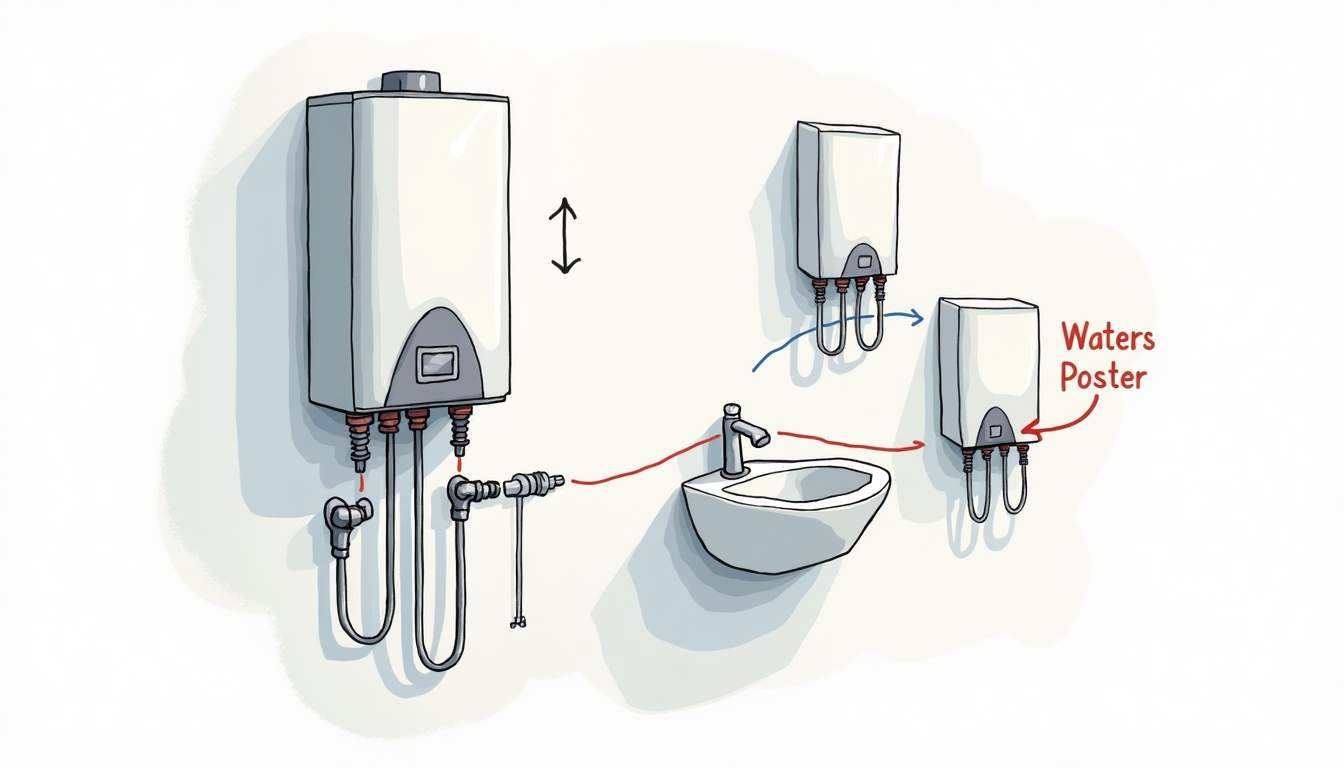
1. Choose the Installation Location
Pick a spot close to where you’ll use hot water most to reduce heat loss and improve efficiency. The location should be accessible for maintenance and comply with local building codes. For gas units, ensure proper ventilation.
2. Turn Off Utilities
Switch off the main water supply. For electric heaters, turn off the circuit breaker. For gas models, shut off the gas valve. Double-check that no power or gas is flowing before proceeding.
3. Remove Old Heater (If Replacing)
Drain the existing water heater and disconnect plumbing and electrical or gas connections carefully. Dispose of the old unit according to local regulations.
4. Mount the New Unit
Use the manufacturer’s template to mark drill holes. Secure the heater to the wall using appropriate anchors and screws. Ensure it’s level and stable.
5. Connect Water Lines
Attach cold water inlet and hot water outlet pipes. Use Teflon tape on threaded connections to prevent leaks. If your unit has a pressure relief valve or a drain valve, install them as directed.
6. Connect Power or Gas Supply
For electric heaters, connect wiring according to the manual, ensuring proper grounding. For gas units, connect the gas line and install the venting system. Check all connections for leaks using a soap solution or a gas leak detector.
7. Test the System
Turn on the water supply and open a hot water tap to flush air from the system. Restore power or gas and turn on the heater. Monitor for leaks and ensure the water heats up quickly.
Maintaining Your Instant Water Heater
Routine Checks
Regular maintenance keeps your heater efficient and extends its lifespan. Check for leaks around connections and inspect the unit for any signs of corrosion or damage. Listen for unusual noises, which might indicate sediment buildup or mechanical issues.
Flushing the System
Mineral deposits can accumulate inside the heater, especially in hard water areas. Flushing the system once or twice a year removes these deposits, preventing blockages and maintaining heating efficiency. This involves connecting a hose to the drain valve and running clean water through the unit until clear.
Cleaning or Replacing Filters
Some models have inlet water filters to trap debris. Clean these filters regularly to prevent clogging. If damaged, replace them promptly.
Inspecting Electrical and Gas Components
For electric units, check wiring and connections for wear or corrosion. For gas models, inspect the burner and venting system to ensure safe operation. If you notice any irregularities, call a professional immediately.
Troubleshooting Common Issues
Water Isn’t Hot Enough
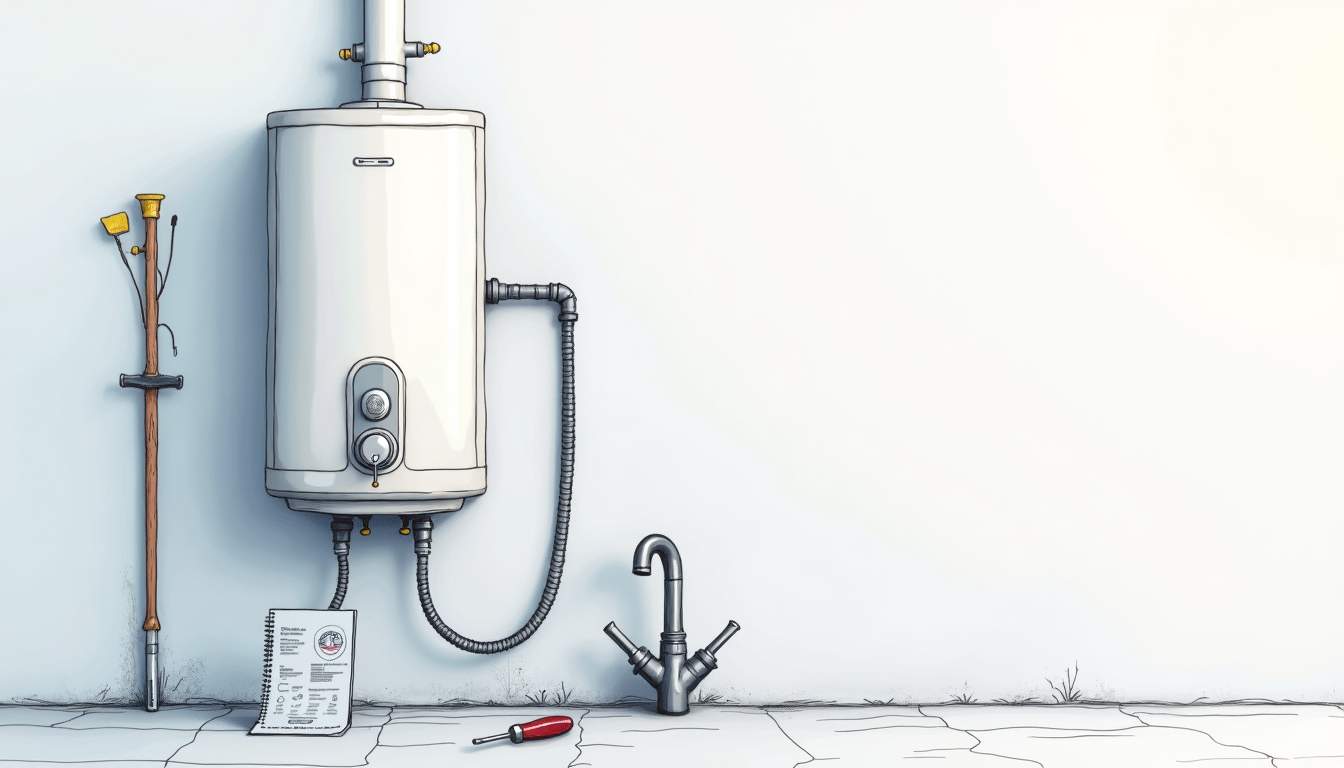
This could be due to undersized heater capacity, incorrect temperature settings, or sediment buildup reducing heating efficiency. Adjust the thermostat or flush the system to see if it improves.
Water Flow Is Low
Clogged filters or mineral deposits in pipes can restrict flow. Clean filters and flush the system. Also, check for any closed valves or kinks in piping.
Unit Shuts Off Unexpectedly
Overheating protection might be triggering due to poor ventilation or electrical issues. Ensure vents are clear and wiring is intact. If the problem persists, professional inspection is needed.
Tips for Maximizing Efficiency and Longevity
Set your heater’s temperature to around 120°F (49°C). This temperature balances comfort and energy savings while reducing the risk of scalding.
Insulate hot water pipes to minimize heat loss, especially if they run through unheated spaces.
Schedule professional inspections every couple of years. Experts can spot issues early and perform thorough cleanings or repairs.
Consider installing a water softener if you live in an area with hard water. Softened water reduces mineral buildup and prolongs your heater’s life.
When to Call a Professional
While many homeowners can handle basic installation and maintenance, some situations require expert help. If your home’s electrical system isn’t equipped for the heater’s power needs, or if gas lines and venting must be installed or modified, it’s safer to hire a licensed professional.
Also, if you encounter persistent leaks, strange noises, or the unit fails to heat water consistently despite troubleshooting, professional diagnosis and repair are recommended.
Wrapping Up
Instant water heaters offer convenience, energy efficiency, and space-saving benefits. Installing one involves careful planning, proper tools, and attention to safety. Regular maintenance keeps the unit running efficiently and helps avoid costly repairs.
With the right approach, you can enjoy endless hot water whenever you want it, without the wait or waste. Whether you’re a DIY enthusiast or prefer professional assistance, understanding the basics of installation and upkeep empowers you to make the most of your instant water heater.