
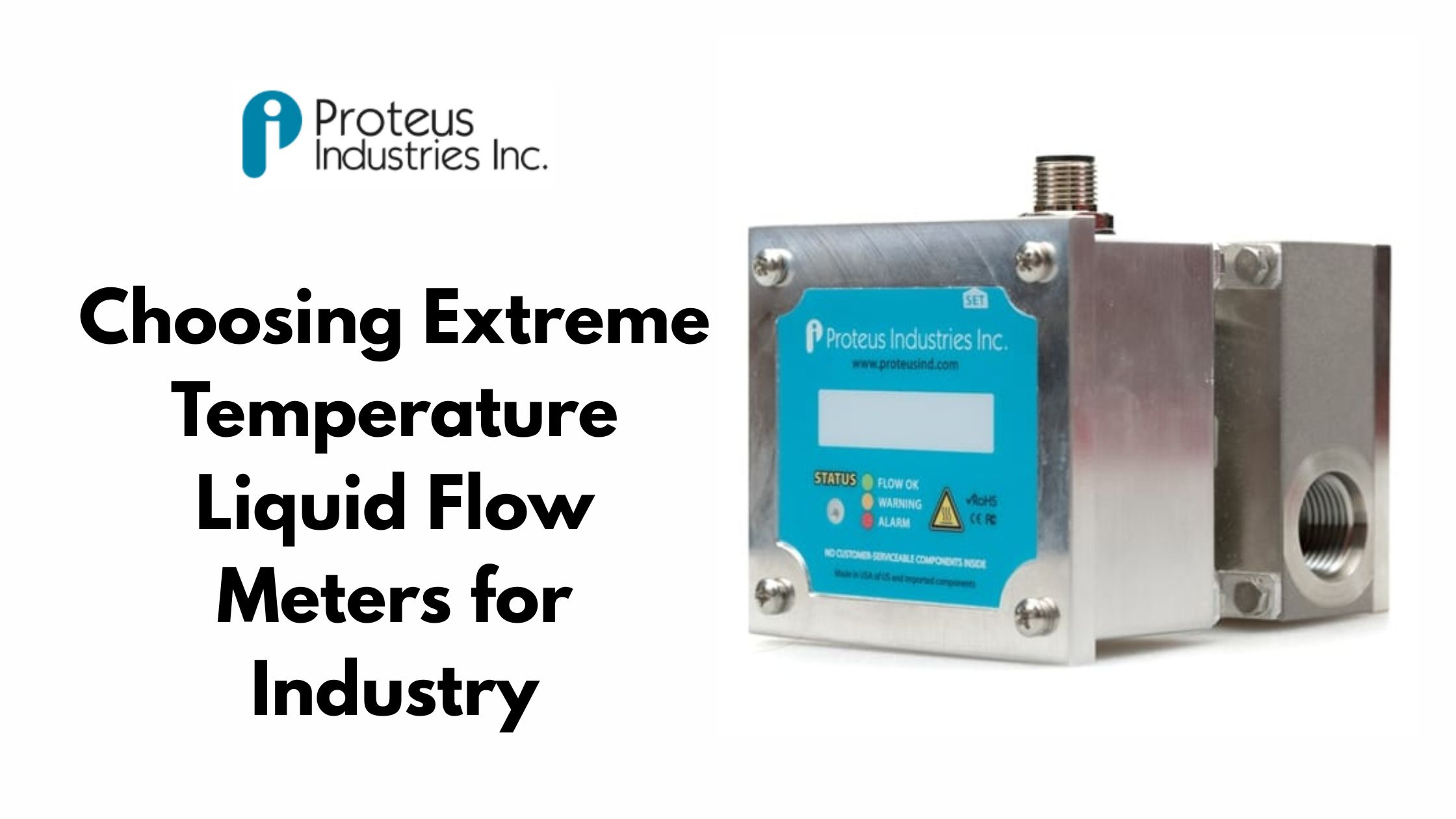
Accurate flow measurement is essential in industries operating under extreme heat, where even minor temperature fluctuations can significantly affect fluid behaviour and overall system efficiency. High-temperature environments introduce complex challenges, including changes in viscosity, sensor degradation, and unstable readings, which can compromise safety and productivity. This is why Extreme Temperature Liquid Flow Meters are critical in heat-intensive operations. In this article, we explore key selection criteria, meter types, material considerations, installation requirements, and industry-specific applications to help you choose the right solution for demanding thermal environments.
What Are High Temperature Flow Meters?
High temperature flow meters, commonly referred to as Extreme Temperature Liquid Flow Meters, are specialised instruments designed to measure the flow rate of liquids or gases exposed to elevated temperatures. These meters typically operate over a temperature range of 150°C to 500°C or higher, depending on construction and material quality. Unlike standard flow meters, these meters incorporate heat-resistant electronics, reinforced sensing elements, and protective coatings to prevent thermal damage.
Key Challenges of Measuring Flow at High Temperatures
Measuring flow under extreme heat presents several technical challenges. Elevated temperatures alter fluid properties such as viscosity and density, which can distort flow measurements if not properly compensated. Standard sensors and electronics often drift, degrade, or fail under continuous thermal stress. Thermal expansion of pipes and meter components can also affect internal geometry, leading to inaccurate readings or mechanical strain. Additionally, high-temperature fluids such as steam, hot oils, and corrosive chemicals can damage materials not designed for such conditions.
Essential Factors to Consider When Selecting a High Temperature Flow Meter
Selecting the right Extreme Temperature Liquid Flow Meter requires careful evaluation of several key factors. First, determine the full operating temperature range, including peak and continuous temperature limits. Fluid characteristics such as viscosity, corrosiveness, conductivity, and particulate content must be considered to ensure compatibility. Flow range and required accuracy should match process demands to avoid measurement errors. Material selection is critical, with options such as stainless steel (SS316), high-temperature alloys, and ceramic components offering superior heat and corrosion resistance. Pressure ratings, ambient conditions, vibration levels, and environmental exposure also play an important role. Certifications such as ATEX, IP, and NEMA help ensure safety and compliance in extreme environments.
Material and Construction Requirements for High-Heat Applications
Durability in extreme heat depends heavily on material quality and construction design. Extreme Temperature Liquid Flow Meters are commonly manufactured using stainless steel, high-grade alloys, and ceramic-coated components to withstand intense thermal stress and corrosion. Heat-resistant seals and gaskets maintain leak-free operation during thermal expansion and contraction. Chemically resistant materials protect internal components from aggressive fluids. Robust construction reduces fatigue caused by temperature cycling, which can weaken metals and joints over time. Selecting meters built with proven high-temperature materials ensures accurate measurements, extended service life, and improved system reliability.
Electronics, Signal Stability, and Insulation
Protecting electronics is essential for maintaining measurement accuracy in extreme heat. Extreme Temperature Liquid Flow Meters often feature thermally isolated electronics, insulated housings, and advanced cooling or heat-shielding designs. Stable signal output is critical when integrating with PLCs, SCADA systems, or automated control networks. Common output formats include 4–20 mA, Modbus, pulse signals, and digital communication protocols. Effective shielding and grounding minimise electrical noise and interference in high-power industrial environments. These protective measures ensure continuous, accurate flow monitoring even under severe thermal conditions.
Installation Considerations
Proper installation is critical to the accuracy and lifespan of Extreme Temperature Liquid Flow Meters. Adequate straight-run piping upstream and downstream of the meter helps stabilise flow profiles for precise measurement. Installers should avoid placing meters in extreme hotspots and use insulation where necessary to protect sensitive components. Correct mounting orientation, horizontal or vertical, depending on the meter type, is essential for reliable operation. Heat-resistant mounting hardware and allowances for thermal expansion prevent mechanical stress. Following manufacturer installation guidelines helps ensure consistent performance and long-term durability.
Maintenance and Calibration Requirements
High-temperature systems demand regular maintenance to maintain accuracy and reliability. Routine inspections help identify signs of thermal damage, corrosion, or sensor drift. Cleaning the flow path is especially important for viscous or particulate-laden fluids that can cause buildup. Periodic calibration ensures measurements remain within specified accuracy limits, even as components age or operating conditions change. Monitoring electronics, wiring, and insulation helps prevent signal degradation. A structured maintenance and calibration program extends the lifespan of Extreme Temperature Liquid Flow Meters and minimises unplanned downtime.
Industry Applications That Benefit from the Right High Temperature Flow Meter
Extreme Temperature Liquid Flow Meters are essential across many heat-intensive industries. Power plants rely on them for measuring steam and thermal fluid flow in boilers and heat exchangers. Chemical processing facilities use them to control hot, corrosive fluids critical to production. Oil and gas refineries depend on accurate high-temperature measurements during crude processing and furnace operations. Metallurgical industries use them to monitor molten materials and high-heat gases. Food and beverage manufacturers rely on them for precise thermal processing and pasteurisation. The pharmaceutical and semiconductor industries use them for sterilisation, cooling, and chemical delivery systems. In all these applications, selecting the right meter enhances safety, efficiency, and product consistency.
Conclusion
Choosing the right Extreme Temperature Liquid Flow Meters requires careful consideration of operating temperature, fluid properties, material durability, and application-specific requirements. Meters designed for extreme heat deliver safer operations, more accurate flow data, and improved productivity. They also reduce downtime, protect critical equipment, and lower long-term operating costs. By evaluating system needs and industry standards before selection, organisations can ensure reliable performance and long-term success in even the most demanding thermal environments.

