Every building you see standing has a story beneath it. That story starts underground where soil tells engineers everything they need to know. Without understanding what lies beneath, even the most carefully designed structures can fail catastrophically. Soil analysis has become the foundation of modern construction, literally and figuratively speaking.
Understanding Soil Analysis and Its Importance
Soil analysis is the scientific examination of earth materials beneath construction sites. Engineers and geotechnical specialists perform these tests to understand soil composition and behavior. The process involves collecting samples from various depths and analyzing their properties in laboratories. This investigative work prevents costly mistakes before they happen at construction sites.
Construction projects depend heavily on the ground’s ability to support weight. Soil properties determine how much load the ground can safely handle. Different soil types behave differently under pressure, moisture, and temperature changes. Without proper analysis, builders cannot predict how structures will perform over time.
The consequences of skipping soil analysis are genuinely serious and expensive. Buildings may settle unevenly, creating cracks in walls and foundations. Some structures have collapsed entirely due to inadequate soil understanding and preparation. These failures often cost millions in repairs or total reconstruction expenses.
The Science Behind Soil Composition and Structure
Soil consists of mineral particles, organic matter, water, and air in varying proportions. The arrangement of these components determines soil strength and stability characteristics. Clay soils compress easily and shift when wet or dry. Sandy soils drain well but may not provide adequate bearing capacity.
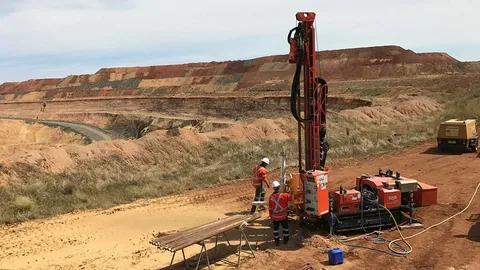
Geotechnical drilling helps professionals obtain accurate soil samples from significant depths underground. Engineers examine particle size distribution through sieving and sedimentation analysis methods. They test soil consistency limits to understand plastic and liquid behavior. Moisture content analysis reveals how much water the soil naturally contains.
Soil classification systems help experts categorize ground conditions for construction purposes. The Unified Soil Classification System is widely used internationally by engineers. Laboratory tests determine shear strength, compressibility, and permeability of soil samples. These measurements become the foundation for calculating safe building loads.
Testing Methods That Prevent Foundation Failures
Various testing methods help engineers understand soil behavior before construction begins. Standard penetration testing measures soil resistance at multiple depths automatically. Cone penetration testing provides continuous resistance profiles throughout soil layers. Unconfined compression tests determine how much weight soil can support safely.
Consolidation testing simulates long-term settlement that buildings will experience naturally. This test reveals how much the ground will compress under building weight. Engineers calculate settlement predictions to ensure structures remain level and safe. Permeability testing measures how quickly water moves through soil layers.
Shear strength testing determines the maximum stress soil can withstand before failure. Direct shear tests apply horizontal forces to soil samples in laboratory settings. Triaxial compression tests simulate the complex stress conditions underground. These results guide engineers in designing appropriate foundation depths and types.
Real-World Applications in Modern Construction
High-rise buildings require extremely detailed soil investigations before construction begins. Engineers drill deep boreholes to examine soil layers hundreds of feet below. These investigations cost significant money but prevent disasters worth billions later. Major infrastructure projects like bridges depend on thorough geotechnical investigations.
Hospitals, schools, and other critical facilities demand the highest safety standards. Soil analysis ensures these buildings can withstand earthquakes and other natural forces. Underground structures like parking garages and tunnels require specialized soil understanding. Mining operations depend on soil analysis to prevent collapses and subsidence.
Nuclear power plants require the most rigorous soil investigations imaginable. The stakes are so high that engineers study every possible soil condition. Dams and water storage facilities need to understand soil permeability thoroughly. These examples show how critical soil analysis truly is for public safety.
How Soil Analysis Improves Foundation Design
Engineers use soil analysis data to design appropriate foundations for each project. Shallow foundations work well in areas with strong, stable soil conditions. Deep foundations become necessary when surface soil cannot support the building load. Pile foundations transfer loads deep into stronger soil layers below.
Soil analysis results help determine proper foundation depth and type. Engineers calculate bearing capacity based on soil test results and safety factors. They design foundations to distribute building weight safely across adequate soil area. Poor soil conditions may require special foundation techniques and additional expenses.
Differential settlement occurs when soil compresses unevenly beneath buildings. Soil analysis helps predict where differential settlement might happen. Engineers design foundations to accommodate expected settlement and prevent structural damage. Proper analysis prevents cracking, tilting, and other serious structural problems.
Soil anchoring and ground improvement techniques rely on soil analysis data. Engineers may compact soil, inject stabilizing materials, or install deep drains. These interventions depend on understanding exact soil conditions from analysis results. Ground improvement can transform unsuitable soil into acceptable building foundations.
Environmental and Safety Considerations
Contaminated soil presents special challenges that soil analysis helps identify early. Environmental testing reveals hazardous materials that require special handling procedures. Builders can plan appropriate remediation or avoidance strategies based on findings. Public health and safety depend on detecting soil contamination before construction.
Soil stability affects not just buildings but entire neighborhoods and communities. Landslides, sinkholes, and subsidence occur when soil conditions aren’t properly understood. Regional stability assessments use soil analysis to predict geological hazards. These assessments protect entire populations from natural disasters and human-made mistakes.
Liquefaction risk assessment uses soil analysis to predict earthquake hazards. Sandy soils saturated with water can lose strength during strong earthquakes. Engineers design special foundations in areas prone to liquefaction. Soil analysis enables communities to build safely in earthquake-prone regions.
Conclusion
Soil analysis stands as an essential foundation for safe, durable construction. Every successful building project begins with careful examination of earth beneath. Engineers rely on scientific testing and analysis to prevent structural failures. The investment in proper soil analysis pays dividends through decades of safe building performance. Understanding what lies beneath ultimately determines whether structures stand strong forever.