
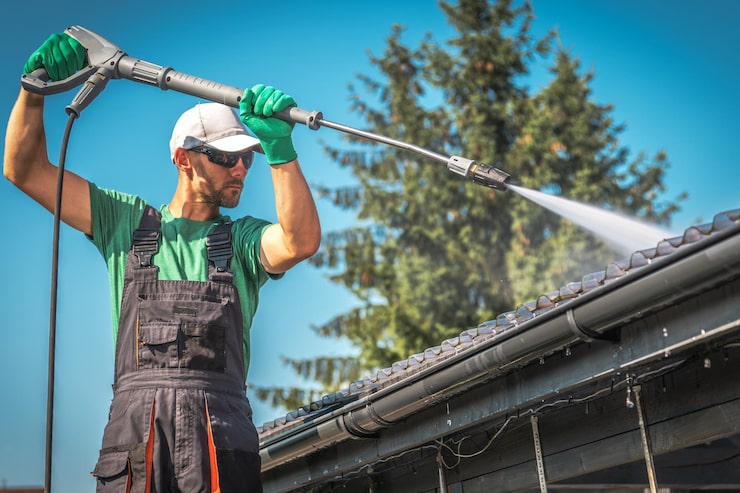
Many homeowners notice dark stains or buildup on their roof and wonder how to clean it safely. Since the roof is not easy to reach, it is common to feel unsure about what method is best. Roof pressure washing is often mentioned as a fast solution, but it is not always clearly explained. Understanding how it works, when it helps, and when roof cleaning should be done differently can help homeowners protect their roof and avoid damage.
What Roof Pressure Washing Means
Roof pressure washing uses water sprayed at a strong force to remove dirt, stains, and debris from the roof surface. The pressure is much stronger than a garden hose and is designed to clean tough surfaces quickly.
What It Can Remove
Pressure washing can remove thick dirt, loose debris, and surface stains. It may also wash away leaves and dust that collect after storms. For certain roof materials, this method can improve the roof’s appearance in a short amount of time.
Why Pressure Matters
The strength of the water is what makes this method effective, but it is also what makes it risky. Too much pressure can damage roofing materials, which is why this method must be used carefully.
How Roof Pressure Washing Is Different From Regular Roof Cleaning
Roof cleaning includes several methods, not just pressure washing. The main difference is how force is used.
Gentle Cleaning Methods
Many professionals use low-pressure cleaning combined with special solutions. This approach breaks down stains and growth without using strong force. It is often safer for shingles and older roofs.
Why Pressure Washing Is Not Always the First Choice
High pressure can remove protective layers from shingles and push water underneath them. This can lead to leaks and shorten the life of the roof. That is why roof pressure washing is usually limited to specific situations.
When Roof Pressure Washing Can Be Helpful
There are times when pressure washing may be useful, especially when the roof material is strong enough to handle it.
Roof Types That May Handle Pressure Better
Metal roofs and some tile roofs are more durable and may tolerate controlled pressure. Even then, the pressure must be adjusted carefully to avoid cracks or dents.
Heavy Dirt After Long Neglect
If a roof has not been maintained for many years, pressure washing may be used as part of a larger roof cleaning plan to remove heavy surface dirt before switching to gentler care.
When Roof Pressure Washing Can Cause Damage
Not all roofs can handle strong water force, especially as they age.
Risk to Shingles and Older Roofs
Asphalt shingles can loosen or break under pressure. Water can also be forced beneath them, leading to hidden moisture problems. Older roofs are even more at risk because materials become weaker over time.
Long-Term Problems Caused by Improper Cleaning
Damage caused by pressure washing may not be visible right away. Leaks, mold, and wood rot can develop slowly, leading to costly repairs later.
Why Professional Experience Matters
Using the right pressure level and angle requires training and experience. Professionals inspect the roof first and choose the safest method based on its condition and material.
Dangers of Do-It-Yourself Pressure Washing
Many homeowners rent pressure washers without understanding how powerful they are. A small mistake can cause serious damage. Professional roof cleaning reduces these risks by using proper tools and techniques.
How Often a Roof Should Be Cleaned
Cleaning schedules depend on weather, shade, and roof type. Homes in humid areas or near trees may need more frequent care.
Regular roof cleaning prevents heavy buildup and reduces the need for aggressive methods like pressure washing later.
How Roof Material Changes the Cleaning Approach
Every roof is built differently, and the material plays a big role in how it should be cleaned. Shingle roofs need extra care because the surface can wear down easily. Tile and metal roofs are stronger but still require the right technique. Roof cleaning should always match the roof type to avoid cracking, loosening, or water damage. Using the wrong method on the wrong material can shorten the life of the roof instead of protecting it.
Why Stains Come Back Without Proper Care
Many homeowners are surprised when stains return after cleaning. This often happens when only surface dirt is removed. Algae and buildup can leave roots behind that grow back over time. A proper cleaning plan focuses on removal and prevention. This is why roof pressure washing alone may not always be enough. Follow-up care and gentle methods help keep the roof cleaner for longer.
Safety Risks of Cleaning a Roof
Roof work can be dangerous without the right equipment and experience. Slippery surfaces, steep slopes, and height all increase the risk of falls. Professional roof cleaning services are trained to work safely and protect both the roof and the people around the home. Safety should always be a top priority.
Planning Roof Care Before Problems Start
Waiting until stains are heavy or leaks appear often leads to higher costs. Routine roof cleaning helps catch small issues early and keeps buildup under control. Planning ahead reduces stress, avoids sudden repairs, and helps homeowners feel confident about the condition of their roof over time.
Final Thoughts for Homeowners
Roof pressure washing can be helpful in certain situations, but it is not always the safest option. Roof cleaning should be chosen based on the roof’s material, age, and condition. When used correctly and at the right time, proper cleaning helps protect your roof and keeps your home in good shape.
