
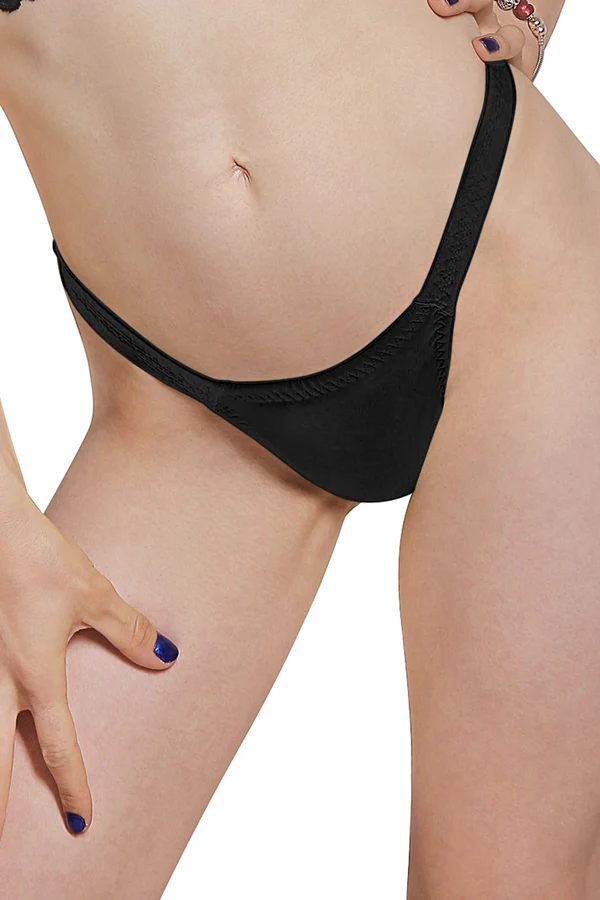
Finding clothing that helps your body feel aligned with your identity can be challenging. For many trans and gender-diverse people, gaffs are an essential part of feeling comfortable and confident in everyday life.
But with so many styles, materials, and fits available, choosing the right one can feel overwhelming. This guide will help you understand gaffs and how to select the one that works best for your body.
What Is It?
A tucking gaff is a type of underwear designed to help trans women and other gender-diverse individuals create a smooth front profile. It gently holds the genitals in place, reducing the appearance of a bulge under clothing.
Unlike regular underwear, gaffs provide extra support and control without being painful or restrictive when chosen correctly.
The primary goal of a gaff is comfort and confidence. A good gaff allows you to move freely, sit, or bend without constantly adjusting your clothing.
It is not about hiding your identity, it is about helping you feel more aligned with your body and the way you want to present yourself.
Different Types
There are several types of gaffs available, and the best one depends on your needs and comfort level:
- Brief-style gaffs: These look similar to regular underwear but include reinforced panels to hold the genitals in place. They are a good choice for everyday wear and beginners.
- High-waist gaffs: These provide extra coverage and support, extending above the hips. They can be helpful if you want additional control over your lower abdomen.
- Shapewear gaffs: Often made from stretchy compression fabric, these combine tucking with shaping the waist and hips for a smooth silhouette. They work well under fitted clothing or dresses.
How to Choose the Right Fit
Fit is the most important factor when selecting a gaff. An ill-fitting gaff can cause discomfort, restrict movement, or even lead to skin irritation. Consider these tips when choosing:
- Measure your waist and hips: Follow the sizing guide provided by the manufacturer to find the closest match to your measurements.
- Look for stretchable materials: Fabrics like spandex or cotton blends adapt to your body while providing gentle compression.
- Test different styles: Everyone’s body is different. Trying various cuts and heights can help you find the most comfortable option.
- Avoid extreme compression: A gaff should hold securely without causing pain, restricting circulation, or leaving marks. Comfort is key.
Comfort and Safety Tips
Wearing a gaff should never feel painful. Here are some ways to ensure safe and comfortable use:
- Limit extended wear at first: Give your body time to adjust. Start with short periods and gradually increase.
- Check for proper hygiene: Wash gaffs regularly and choose breathable fabrics to reduce irritation.
- Avoid sleeping in a gaff: Your body needs rest without compression.
- Listen to your body: If you feel pain, numbness, or discomfort, stop using the gaff immediately and reassess your fit or style.
Why It Matter
They do more than create a smooth appearance, they provide a sense of physical and emotional support. For trans and gender-diverse people, a well-fitting gaff can make clothing feel more secure and natural. This security can boost confidence, reduce anxiety, and make everyday activities like work, social events, or casual outings much easier to navigate. When you know your body is supported, you don’t have to constantly adjust your clothing or worry about your appearance, which can free up mental energy for other aspects of your day.
Beyond practical benefits, gaffs play an important role in self-expression. They help your outer appearance align with your identity, making it easier to wear the clothes that reflect who you truly are, whether casual wear, professional outfits, or formal attire. By feeling physically supported, you can express yourself confidently and authentically in any setting, allowing your personality and style to shine without distraction.
Final Words
Choosing the right gaff is about understanding your body, your comfort, and your needs. There is no single “best” option, only the one that feels secure, comfortable, and empowering for you. Take your time to explore different styles, materials, and fits. Listen to your body, prioritize safety, and remember that tucking is a tool to support your confidence and self-expression, not a requirement.
With the right gaff, your clothing can reflect the person you truly are. When your body feels supported, your mind can relax, and your confidence can flourish. A well-chosen gaff is more than just underwear, it is a small but powerful way to feel aligned with yourself every day.
Frequently Asked Questions
What is a gaff used for?
A gaff is used to create a smoother front appearance under clothing by gently holding the genitals in place. Many trans women and gender-diverse people use gaffs to feel more comfortable and confident in their daily outfits.
Is wearing a gaff safe?
Yes, wearing a properly fitted gaff is generally safe. It should feel supportive but never painful. Choosing the right size, breathable materials, and avoiding excessive compression helps reduce the risk of discomfort or irritation.
Can I wear a gaff every day?
Many people wear gaffs daily without issues. It is best to start with shorter wear times and increase gradually. Taking breaks and avoiding overnight wear allows your body to rest and stay comfortable.
How tight should a gaff be?
A gaff should feel secure but not restrictive. It should not cause pain, numbness, or deep marks on the skin. If it feels uncomfortable or limits circulation, the size or style may not be right for you.
What type of gaff is best for beginners?
Brief-style gaffs are often the easiest option for beginners. They look similar to regular underwear, are easier to wear, and provide gentle support without feeling overwhelming.
Can I wear a gaff while exercising?
Light activity may be fine with the right gaff, but intense exercise can cause discomfort due to compression and movement. For workouts, many people choose looser options or avoid gaffs altogether for safety and comfort.
How do I care for my gaff?
Wash your gaff regularly according to the care instructions, usually with gentle detergent and cold water. Keeping it clean helps prevent irritation and extends its lifespan.
Do I need to wear a gaff to be valid in my identity?
No. Wearing a gaff is a personal choice, not a requirement. It is simply a tool that can help some people feel more aligned with their body and presentation. Your identity is valid with or without one.
