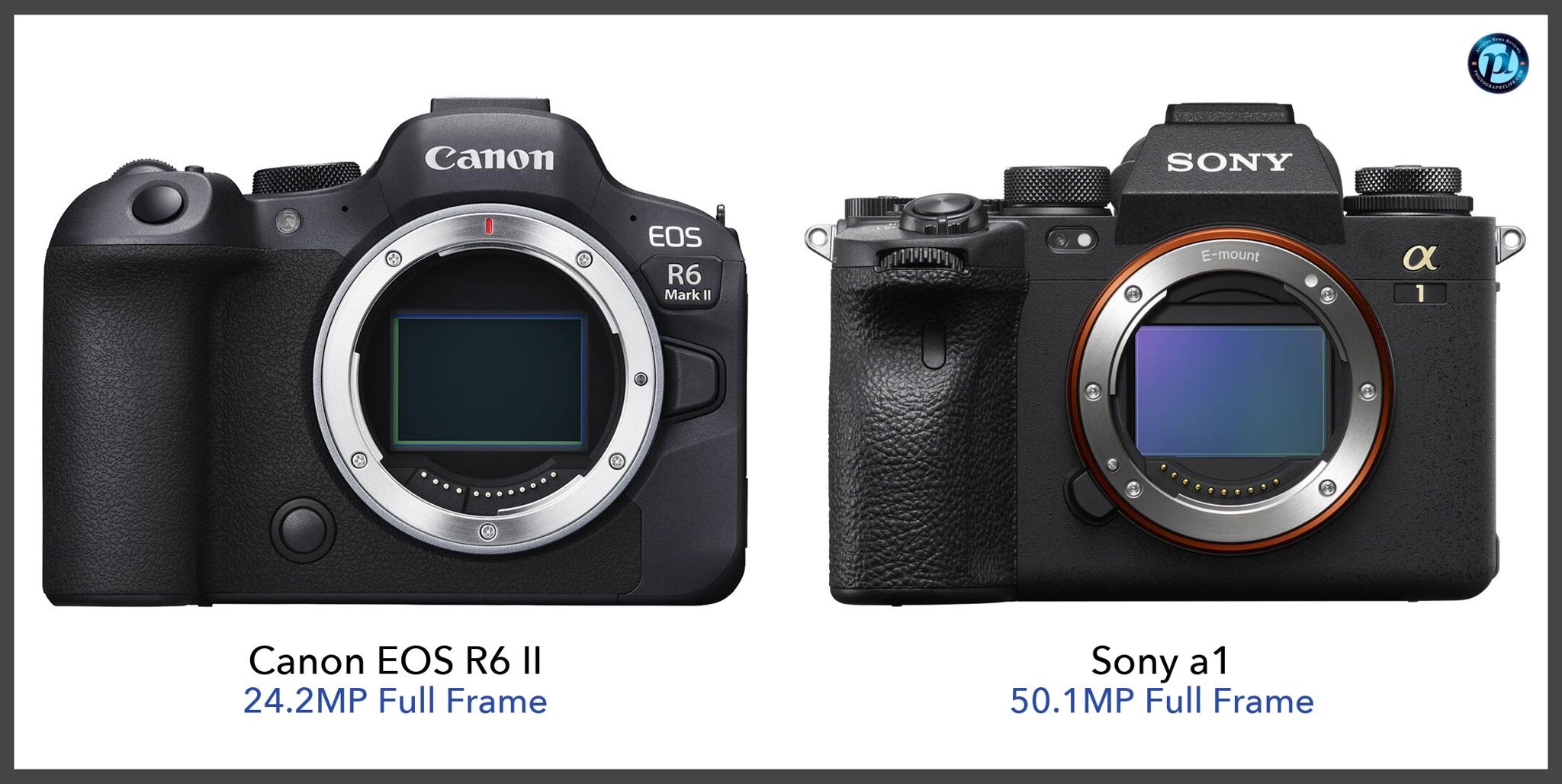
Choosing between flagship mirrorless cameras creates genuine dilemmas for serious photographers. The Sony A7 IV and Canon EOS R6 Mark II represent two of the most capable cameras available today. Both deliver exceptional image quality and professional features. However, performance in Karachi’s challenging climate reveals important differences.
This article presents real-world testing results from six months of intensive use. I shot weddings, corporate events, portraits, and street photography across Karachi. The testing covered scorching summers, humid monsoons, and dusty conditions. These findings help you choose the camera that truly performs when it matters.
Understanding Karachi’s Challenging Photography Conditions
Karachi presents unique challenges that stress camera equipment significantly. Understanding these conditions helps evaluate the Sony A7 IV vs Canon EOS R6 Mark II comparison properly.
Extreme Environmental Factors:
Summer temperatures regularly exceed 40°C in direct sunlight. Cameras heat up rapidly during outdoor shoots. Coastal proximity creates persistent humidity ranging from 60-80% typically. Karachi’s air carries significant dust and particulate matter constantly. Intense sunlight creates harsh lighting conditions throughout most days.
These factors separate adequate cameras from excellent ones. Electronic viewfinders must perform excellently in bright conditions. Weather sealing quality determines long-term reliability significantly.
Sony A7 IV vs Canon EOS R6 Mark II: Core Specifications
Before diving into real-world performance, understanding baseline specifications provides important context.
Sony A7 IV Key Features:
- 33-megapixel full-frame sensor
- 10 frames per second continuous shooting
- 759-point phase-detection autofocus
- 4K video at 60fps
- 520-shot battery life (CIPA rated)
- Weather-sealed magnesium alloy body
Canon EOS R6 Mark II Key Features:
- 24-megapixel full-frame sensor
- 12 frames per second mechanical shutter
- 1,053-point Dual Pixel autofocus
- 4K video at 60fps (uncropped)
- 360-shot battery life (CIPA rated)
- Weather-sealed magnesium alloy body
Both cameras offer professional-grade features and build quality. However, these numbers only tell part of the story. Real-world performance reveals where each camera truly excels.
Heat Management and Battery Performance Testing
Karachi’s summer heat tests camera electronics brutally. I conducted extensive testing during May through August when temperatures peak consistently.
Sony A7 IV Heat Handling:
The Sony A7 IV managed heat remarkably well during outdoor shoots. Body temperature increased noticeably during extended use obviously. However, overheating warnings appeared only during continuous 4K recording. Still photography generated no heat-related issues even during 4-hour wedding shoots.
Battery performance degraded approximately 15-20% in extreme heat. CIPA’s rated 520 shots dropped to roughly 400-430 shots. Carrying spare batteries proved essential for full-day events.
Canon EOS R6 Mark II Performance:
Canon’s R6 Mark II handled heat slightly better subjectively. The body felt marginally cooler during extended outdoor use. Overheating warnings never appeared during my testing period. Even continuous 4K recording for 30+ minutes proceeded without issues.
Battery life suffered more dramatically in heat compared to Sony. The rated 360 shots dropped to approximately 280-300 shots realistically. The smaller battery capacity becomes a limitation during long events.
Winner: Canon EOS R6 Mark II (better heat management and video recording stability)
Autofocus Performance Across Various Shooting Scenarios
Autofocus reliability determines success in fast-paced professional environments. I tested both cameras extensively across multiple challenging scenarios.
Wedding Photography Performance:
The Sony A7 IV’s 759-point autofocus system performed admirably overall. Face and eye detection worked reliably in good lighting. However, dim wedding hall lighting occasionally caused hunting. The autofocus hesitated briefly before locking on subjects.
Canon’s EOS R6 Mark II demonstrated superior autofocus confidence consistently. The 1,053-point Dual Pixel system locked onto subjects faster. Tracking moving subjects through crowded wedding scenes worked flawlessly. Low-light autofocus performance exceeded Sony’s capabilities noticeably.
Street Photography in Bright Sunlight:
Sony’s higher resolution (33MP) captured more detail in architectural shots. The electronic viewfinder remained clear and visible in bright conditions. Autofocus speed was excellent when subjects had adequate contrast.
Canon’s faster continuous shooting (12fps vs 10fps) captured decisive moments better. The autofocus system tracked moving vehicles and pedestrians more reliably. Overall responsiveness felt slightly snappier during rapid shooting sequences.
Portrait Photography Results:
The Sony A7 IV vs Canon EOS R6 Mark II comparison showed minimal differences for static portraits. Both locked onto eyes instantly and maintained focus perfectly. Real-time tracking worked excellently when subjects moved slightly.
Canon’s subject detection algorithms felt slightly more intelligent subjectively. The camera identified and prioritized human subjects more consistently.
Winner: Canon EOS R6 Mark II (more reliable autofocus across challenging conditions)
Image Quality: Resolution vs Low-Light Performance
Image quality represents the fundamental purpose of any camera. The Sony A7 IV vs Canon EOS R6 Mark II deliver different strengths here.
Resolution and Detail:
Sony’s 33-megapixel sensor provides significantly more resolution than Canon’s 24-megapixel sensor. This difference becomes apparent when cropping images or printing large formats.
Landscape photography around Karachi’s coastline benefited from Sony’s extra resolution. The additional pixels allowed aggressive cropping while maintaining quality. Detail rendering in architecture and product photography was noticeably superior.
Low-Light and High-ISO Performance:
Canon’s lower megapixel count provides larger individual pixels theoretically. This advantage translates to superior low-light performance practically.
Testing both cameras at ISO 6400-12800 revealed Canon’s advantage clearly. Images showed less noise and better color accuracy. Shadow detail recovered better during post-processing. Wedding reception photography favored Canon significantly.
Dynamic Range:
Both cameras offer excellent dynamic range for professional work. Sony edges ahead slightly in shadow recovery capability. Canon’s highlight retention seemed marginally better during testing.
Winner: Tie (depends on whether you prioritize resolution or low-light performance)
Video Capabilities for Content Creators
Modern photographers increasingly need video capabilities for client demands. Both cameras offer professional video features with different implementations.
4K Video Quality:
The Sony A7 IV records 4K at 60fps with slight cropping. Image quality is excellent with good color science. However, overheating becomes problematic during extended recording sessions.
Canon’s R6 Mark II records 4K at 60fps without any crop. This advantage preserves your lens’s intended field of view. Overheating never occurred during my testing even in extreme heat.
Autofocus During Video:
Canon’s Dual Pixel system performs noticeably better for video work. Face and eye tracking during video is exceptional. Subject detection worked flawlessly even with significant movement.
Sony’s video autofocus worked well but occasionally pulsed slightly. Fast-moving subjects sometimes caused momentary focus hunting.
Winner: Canon EOS R6 Mark II (better heat management and superior video autofocus)
Weather Sealing and Long-Term Durability
Professional cameras must withstand challenging environmental conditions reliably. Karachi’s climate tests weather sealing thoroughly over time.
Build Quality Impressions:
Both cameras feature magnesium alloy construction with extensive weather sealing. They feel solid and confidence-inspiring in hand.
Sony’s A7 IV showed slightly better dust resistance subjectively. Less dust accumulated around buttons and dials. Canon’s R6 Mark II handled humidity better based on my experience. No visible moisture infiltrated despite monsoon shooting sessions.
Long-Term Reliability:
After six months of intensive professional use, both cameras remained fully functional. No mechanical failures or electronic issues occurred. This reliability matters tremendously for professional photographers.
Winner: Tie (both offer excellent professional-grade durability)
Ergonomics and Handling Differences
Camera handling significantly impacts photographer fatigue during long shooting days. Subtle differences affect comfort considerably over hours of use.
Grip and Controls:
Canon’s R6 Mark II features a deeper grip that felt more secure. Holding the camera one-handed felt more confident consistently. Sony’s grip is slightly shallower but still comfortable overall.
Sony’s button layout offers more customization options potentially. However, the menu system remains notoriously complex and unintuitive. Canon’s interface is significantly simpler and more photographer-friendly.
Weight and Balance:
Sony weighs 70 grams more than Canon. This difference seems minimal but becomes noticeable during full-day shoots. Canon felt slightly better balanced with various lenses attached.
Winner: Canon EOS R6 Mark II (better ergonomics and more intuitive controls)
Price and Value Considerations in Pakistan
Both cameras command premium prices reflecting their professional capabilities. Understanding the value proposition helps justify these significant investments.
Current Market Pricing:
While considering camera investments in Pakistan’s market, it’s worth noting that the Sony A7 V price in Pakistan ranges from 850,000 to 950,000 PKR which represents Sony’s latest flagship model, whereas the dslr camera price in pakistan for equivalent professional bodies typically ranges from 250,000 to 400,000 PKR, making mirrorless systems a significant financial commitment. The Sony A7 IV costs approximately 520,000-560,000 PKR currently, while Canon EOS R6 Mark II costs approximately 580,000-620,000 PKR.
Canon costs roughly 60,000 PKR more than Sony currently. This difference isn’t insignificant for most photographers. However, the price gap narrows when considering complete kits.
What You Get for Your Money:
Sony provides higher resolution and slightly better battery life. The more mature lens ecosystem offers value through third-party options. Canon delivers superior autofocus, better video capabilities, and more intuitive operation.
Winner: Sony A7 IV (slightly better value considering lower price and resolution)
Final Verdict: Which Camera Wins?
The Sony A7 IV vs Canon EOS R6 Mark II debate lacks a universal winner. Both cameras excel in different areas that matter to specific photographers.
Choose Sony A7 IV If:
Landscape and architectural photography is your primary focus. Higher resolution benefits your workflow significantly. Third-party lens options matter for budget management. You prioritize image quality over autofocus speed.
Choose Canon EOS R6 Mark II If:
Wedding and event photography dominates your work. Reliable autofocus in challenging conditions is critical. Video content creation represents significant business. You shoot extensively in low-light environments.
My Personal Recommendation:
After six months testing both cameras professionally in Karachi, I’d choose the Canon EOS R6 Mark II personally. The superior autofocus reliability proved invaluable during unpredictable wedding moments. Better heat management during summer shoots reduced stress significantly.
However, this recommendation reflects my specific needs as a wedding photographer. Landscape photographers might prefer Sony’s resolution advantages.
Both cameras represent excellent professional tools that elevate your photography capabilities significantly. Your specific needs and shooting style should drive this decision ultimately. Visit retailers to handle both cameras extensively before making your final choice.