
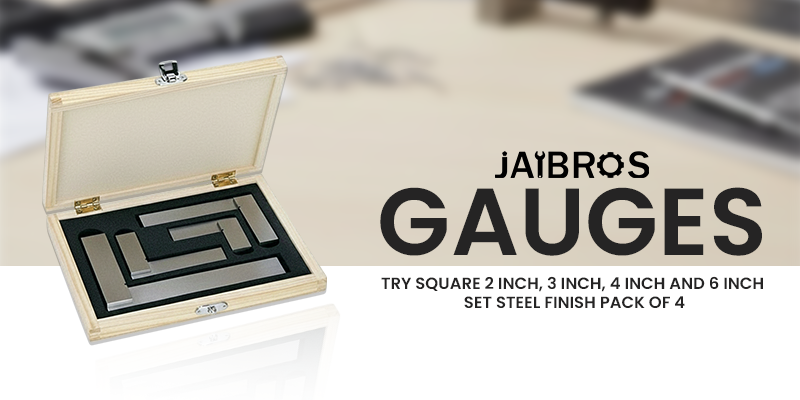
Learn the best methods to maintain and store a Try Square for long-term accuracy. Keep your carpenters try square, try square set, and tools performing with precision.
How to Keep Your Try Square Accurate
A Try Square is one of the most essential precision tools for woodworkers, machinists, and metal fabricators. Maintaining it properly ensures accurate 90° markings, clean layouts, and long-lasting performance. Whether you use a carpenters square or a full try square set, proper care protects its alignment and durability. In this guide, we explain how to maintain, store, and protect your tool for long-term accuracy.
Because precision tools must remain perfectly square to deliver consistent results, your Try Square must be cleaned, inspected, and stored correctly. Dust, corrosion, or accidental drops can slowly push it out of alignment. This makes maintenance not optional but essential for builders who rely on accuracy every day.
Before building a maintenance routine, it’s important to understand how a Try Square is designed. The tool has two main parts: the blade and the stock. If either develops wear or warping, the tool loses its reference accuracy. Whether your work involves cabinetry, furniture making, or metal fabrication, proper upkeep ensures reliable performance across all applications.
Cleaning Your Square Properly
Regular cleaning prevents buildup and corrosion. Wipe your Square after each use with a microfiber cloth to remove sawdust, oil, or metal particles. For deep cleaning, use a light machine oil on the blade to protect it from rust. Avoid harsh chemicals that may damage the tool’s finish or loosen the joint between the stock and blade.
Inspection and Accuracy Checks
Frequent accuracy checks help you identify issues before they affect your work. To test your Square, place the stock firmly against a straight edge and draw a line. Flip the tool and compare another line against the first. If the lines diverge, the blade may be out of alignment. This simple test is especially important if you own a square set that you use across different materials.
Preventing Corrosion and Wear
Corrosion is one of the biggest threats to precision tools. A thin coat of oil on your Square prevents rust and keeps the blade smooth for marking. Store the tool in a dry environment, especially if you live in a humid region or work in an open workshop. Wooden stocks should also be treated periodically to prevent swelling or cracking.
Proper Storage Practices
Storing your Square properly is as important as using it correctly. Always keep it inside a protective case or designated tool drawer to avoid accidental drops. Avoid stacking heavy tools on top of it, as even slight pressure can cause subtle warping. For professionals using multiple measuring tools, organizing by size—especially when considering try square tool price variations—helps protect your investment.
Choosing the Right Environment for Storage
Humidity-controlled environments are ideal for long-term tool storage. Metal blades react quickly to moisture, leading to oxidation and pitting. If your workshop experiences seasonal humidity changes, consider using silica gel packs or moisture-absorbing materials inside your tool cabinets. Keeping your try square set away from direct sunlight also prevents wooden stocks from expanding.
Handling Tips for Long-Term Accuracy
To maintain precision, handle the tool gently and avoid striking or dropping it. When marking large surfaces, avoid pressing too hard on the blade as this can shift the alignment. Many professionals prefer keeping separate tools—one for rough work and a premium carpenters square reserved for fine joinery.
Why Proper Maintenance Saves Money
Many users compare tools based on try square tool price, but long-term savings come from proper upkeep rather than frequent replacement. When maintained well, a high-quality measuring tool can last decades, offering consistent accuracy and reducing rework caused by misaligned markings.
Conclusion: Protect Your Tool for Long-Term Accuracy
A strong maintenance routine ensures your measuring tools perform consistently across woodworking, metalworking, and general fabrication tasks. By cleaning, inspecting, and storing your tool with care, you preserve its accuracy for years.
Jaibros is a trusted supplier of premium measuring and industrial tools. Their range includes durable hand tools, precision instruments, and reliable workshop accessories designed to support long-term performance and high accuracy for professionals and hobbyists.
FAQs
- How often should I clean my try square?
It should be wiped after every use and deep-cleaned weekly if used heavily.
- How do I check if my try square is still accurate?
Use the flip test by drawing a line, flipping the tool, and drawing another. Mismatched lines indicate misalignment.
- Can humidity damage my try square?
Yes, moisture can cause rust or swelling in wooden stocks. Store it in a dry place.
- Is a try square set better than a single tool?
A set offers different sizes for various applications and usually improves accuracy in complex projects.
- How do I prevent rust on the blade?
Apply a light coat of machine oil after use and store the tool in low-humidity conditions.