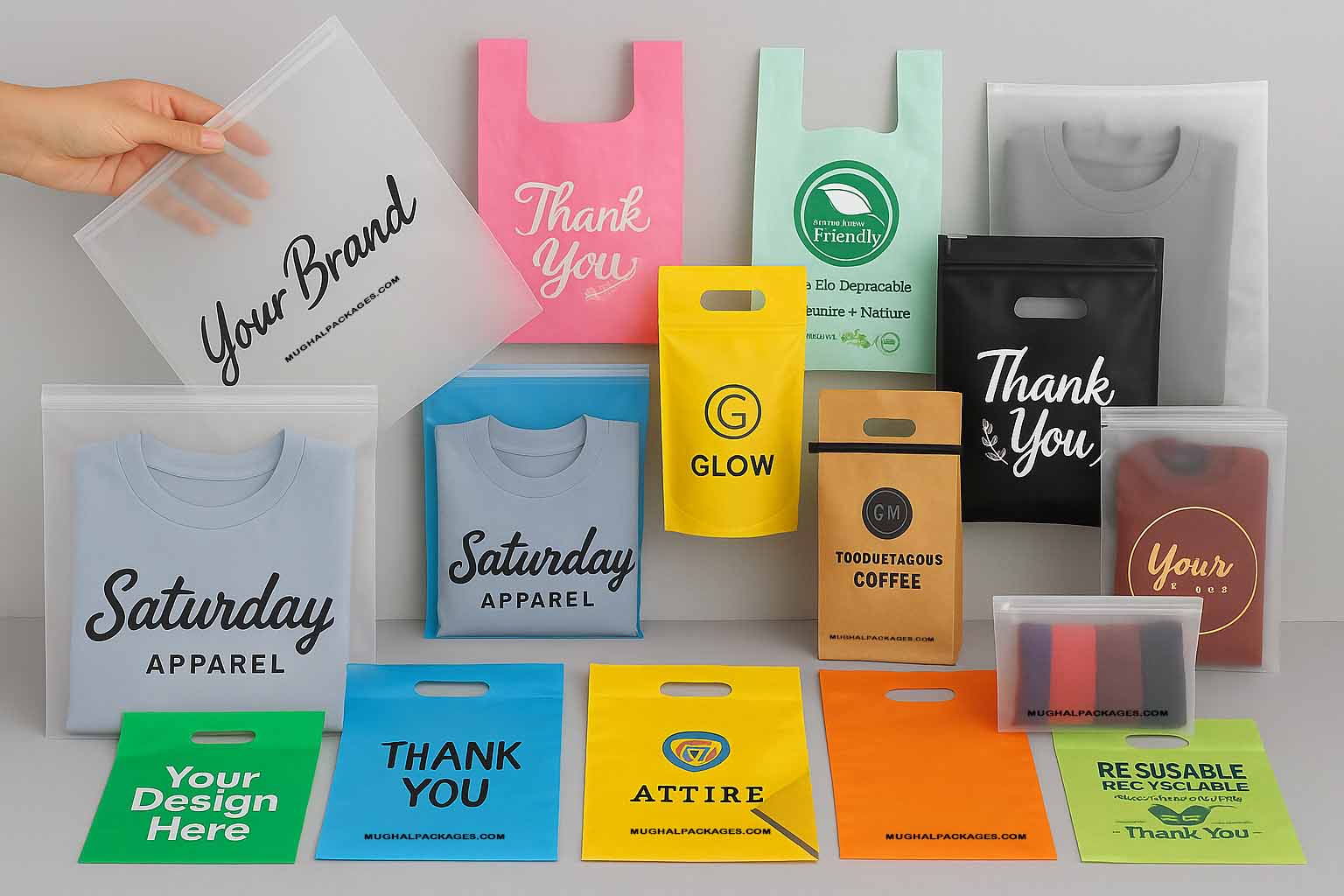
Using biodegradable shopping bags is no longer a choice—it’s a strategic business decision. Modern customers demand sustainable packaging, and retailers, boutiques, and supermarkets are responding. From my experience advising companies, switching to eco-friendly bags drives long-term cost savings, strengthens brand identity, and helps businesses comply with regulations.
1. Regulatory Compliance: Navigating Legal Requirements
Officials and regulatory bodies are cracking down on single-use plastics. Businesses must comply with legal standards or face fines. Using certified biodegradable shopping bags ensures safety, quality, and regulatory compliance.
Practical Tips:
-
Choose suppliers with certifications for biodegradable or compostable bags
-
Regularly review national and local plastic regulations
-
Implement employee training programs for handling and storing eco-friendly packaging
Case Example: A supermarket chain adopted compostable non-woven bags ahead of local bans. Compliance prevented fines and enhanced the company’s reputation among eco-conscious shoppers.
2. Understanding Consumer Demands and Preferences
Customer preferences are rapidly changing. Today, eco-conscious consumers look for sustainable, durable, and reusable bags. Failing to meet these expectations can hurt brand loyalty and sales.
Strategies for Businesses:
-
Offer multiple bag options: non-woven, paper, or compostable polymers
-
Introduce customized designs with logos, colors, and sizes to reinforce brand recognition
-
Monitor customer feedback and purchase behavior to adapt packaging options
Example: A local boutique introduced zippered biodegradable bags for cosmetics. Customers appreciated the durability and functionality, resulting in a 30% increase in repeat purchases.
3. Types of Biodegradable Bags and Material Comparisons
Choosing the right bag type is crucial for functionality, cost, and customer satisfaction.
| Bag Type | Benefits | Best Use |
|---|---|---|
| Non-woven | Durable, reusable, lightweight | Groceries, retail |
| Paper | Recyclable, biodegradable, aesthetic appeal | Boutiques, gifts |
| Compostable Polymers | Biodegrade naturally, food-safe | Food packaging, perishables |
| Flexible Packaging | Includes polyethylene film, padded mailers, bubble cushions | Shipping fragile items |
Tips: Always test weight capacity, durability, and storage requirements before full-scale adoption.
4. Supplier Selection and Operational Strategies
Operational efficiency relies on trustworthy suppliers who provide certified, high-quality bags.
Best Practices:
-
Partner with suppliers offering custom production, quick turnaround, and tailored services
-
Schedule production runs based on seasonal demand
-
Maintain consistent quality with certifications and audits
Example: A cosmetics company worked with a supplier that extrudes, converts, and prints biodegradable bags. The result was timely delivery, customizable branding, and quality consistency.
5. Long-term Benefits of Biodegradable Bags
Biodegradable shopping bags deliver measurable business benefits:
-
Reduce waste and carbon footprint
-
Lower long-term costs through reusability and bulk ordering
-
Improve brand loyalty and appeal to eco-conscious customers
-
Provide marketing advantages through customization
Case Study: A supermarket chain switched to paper and non-woven bags, reducing landfill contributions by 40% and increasing customer satisfaction scores by 20%.
6. Marketing and Brand Identity Enhancement
Customized biodegradable bags are not just functional—they are marketing tools.
Strategies:
-
Personalize with logos, colors, and sizes
-
Include zippered or padded options for premium products
-
Distribute custom bags at promotional events, corporate giveaways, or online orders
Example: A retail boutique used custom-designed biodegradable bags for a seasonal sale. Customers shared their experiences online, increasing social media engagement by 40%.
7. Circular Economy and Environmental Responsibility
Biodegradable bags support a circular economy by encouraging reuse, recycling, and composting.
Steps for Businesses:
-
Include instructions for reuse or recycling on bags
-
Offer drop-off points for used bags in-store
-
Train staff on handling, storage, and distribution
Benefits:
-
Reduces landfill contributions
-
Builds trust with eco-conscious shoppers
-
Strengthens brand reputation and CSR initiatives
8. Implementation Strategies and Cost Considerations
Implementing biodegradable bags requires careful planning:
-
Cost: Choose moderately priced, durable options
-
Functionality: Ensure bags match product size and weight
-
Storage and shipping: Lightweight bags reduce delivery costs
-
Customer convenience: Easy-to-carry bags enhance shopping experience
Tip: Begin with sample orders, test durability, gather customer feedback, and scale gradually.
9. Enhancing Customer Loyalty and Experience
Biodegradable shopping bags improve the customer experience and shopping satisfaction:
-
Offer reusable, durable, and attractive bags
-
Provide zippered or padded options for high-value items
-
Promote eco-conscious campaigns with incentives for reusing bags
Example: A supermarket introduced a loyalty program giving points for using biodegradable bags. This increased repeat visits and customer engagement.
10. Leveraging Biodegradable Bags for Business Growth
Investing in biodegradable bags generates long-term benefits:
-
Sustainability: Reduces environmental impact and aligns with CSR goals
-
Customer loyalty: Attracts eco-conscious shoppers
-
Marketing: Enhances brand identity through customization and aesthetics
-
Cost efficiency: Durable bags reduce long-term packaging costs
Expert Insight: Businesses adopting biodegradable shopping bags achieve operational efficiency, enhanced marketing impact, and positive environmental contributions, positioning themselves as leaders in sustainable retail.
Additional Insights and Practical Tips
-
Custom Production Runs: Tailor bag sizes, colors, and prints for seasonal or promotional campaigns.
-
Flexible Packaging: Include bubble cushions, padded mailers, or air pillows for shipping fragile items.
-
Employee Training: Ensure staff know proper storage, reuse, and handling of biodegradable packaging.
-
Consumer Education: Communicate the eco-friendly impact of bags to shoppers to boost engagement.
-
Circular Economy Initiatives: Offer recycling or return programs to minimize waste.
-
Supplier Trustworthiness: Partner with certified suppliers offering quality assurance, timely delivery, and customization.
-
Marketing Leverage: Use bags for promotional events or giveaways to strengthen brand recognition.