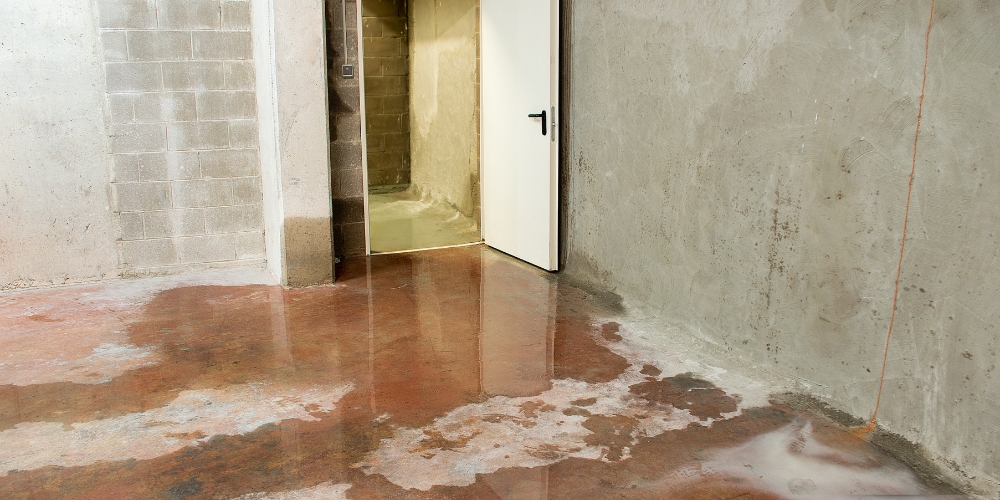
Water damage can cause major problems for both homeowners and business owners. Whether it’s from flooding, broken pipes, or a leaking roof, water can quickly harm your property and belongings. When you experience water damage, it’s important to act quickly to avoid further destruction. That’s where water damage restoration comes in. This guide will walk you through the key steps of flood damage restoration and water damage restoration, so you understand the process and know what to expect.
1. What is Water Damage?
Water damage happens when water comes into contact with parts of a building, causing harm to materials and structures. Several things can lead to water damage, such as:
- Flooding: Heavy rains or rising water from storms, rivers, or oceans can flood homes and businesses.
- Leaking Roofs: If your roof leaks, water can seep inside, damaging ceilings, walls, and insulation.
- Burst Pipes: Frozen or aging pipes can break, causing water to spill inside.
- Appliance Failures: Broken appliances like washing machines, dishwashers, or water heaters can leak or overflow.
- Sewer Backup: Wastewater from a clogged or broken sewer system can back up into your home, bringing contaminants.
Water damage can be classified into three categories based on how dirty the water is:
- Category 1: Clean water, like from a burst pipe.
- Category 2: Water with some contaminants, such as from a washing machine overflow.
- Category 3: Highly contaminated water, such as from sewer backups or floodwaters.
2. Why It’s Important to Act Fast
When water enters your property, it can do a lot of damage in a short amount of time. The longer water stays in your home or business, the more harm it can cause. Materials can weaken, and mold can start to grow in as little as 24-48 hours. Mold not only causes health problems but also makes the damage worse. That’s why it’s essential to start the water damage restoration process as quickly as possible to minimize the harm and get your property back to normal.
3. Step 1: Assessing the Damage
Before starting any repairs, a thorough inspection is needed to see how much damage the water has caused. Restoration experts use special tools, like moisture meters and thermal imaging cameras, to detect water that may be hidden in walls, floors, and ceilings. The goal is to understand the full extent of the damage so they can develop the best restoration plan. Here’s what is checked during this step:
- The Source of Water: Identifying if the water is clean, contaminated, or dirty will affect how the restoration is handled.
- The Affected Areas: Determining which parts of the building have been damaged, such as floors, walls, and ceilings.
- Structural Damage: Checking for any damage to the building’s structure, such as warped wood or cracked foundations.
4. Step 2: Water Extraction
Once the damage has been assessed, the next step is to remove all the water. Restoration professionals use powerful pumps and vacuums to quickly get rid of standing water. The faster water is removed, the less damage it can cause. This step is especially important to prevent the growth of mold and further structural problems.
The tools used during water extraction include:
- Submersible Pumps: These pumps are used to remove large amounts of water in basements or other areas that are heavily flooded.
- Vacuum Extractors: These are used for removing water from carpets, hardwood floors, and other materials.
While some water can be removed immediately, residual moisture may remain in hard-to-reach places, requiring additional drying efforts.
5. Step 3: Drying and Dehumidification
After the water has been extracted, the next step is to dry everything thoroughly. If moisture is left behind, it can cause mold to grow, rot wood, and damage materials. Restoration experts use powerful air movers and dehumidifiers to speed up the drying process and ensure everything is dry. The goal is to get rid of any remaining moisture so that the building is completely dry and safe.
Here’s how drying works:
- Air Movers: High-powered fans are used to circulate air and help dry out wet areas quickly.
- Dehumidifiers: These machines pull moisture from the air, making it harder for mold and mildew to form.
- Moisture Monitoring: Experts use special meters to keep track of the drying process and ensure all areas are completely dry.
Depending on how much water was involved, the drying process may take anywhere from a couple of days to longer.
6. Step 4: Cleaning and Sanitizing
Water can bring a lot of contaminants into your home, especially if the water was dirty. Flood damage restoration requires extra care to clean and disinfect everything that has been affected. Restoration professionals use specialized cleaning products to sanitize the surfaces and remove harmful bacteria, mold, and other pathogens.
This step includes:
- Disinfecting Surfaces: All surfaces that came into contact with the water are cleaned and disinfected to remove bacteria and germs.
- Cleaning Belongings: Personal items like clothes, furniture, and electronics are cleaned and sanitized.
- Removing Debris: Any debris or items that can’t be saved, such as damaged drywall or flooring, are removed.
The goal is to make sure that your property is safe to return to and free of harmful contaminants.
7. Step 5: Repair and Restoration
Once everything is dry and clean, the next step is repairing the damage. This might involve replacing materials that can’t be saved or rebuilding parts of the property. Some of the work involved in this step includes:
- Replacing Damaged Materials: Materials like carpet, drywall, and insulation that were too damaged to repair are replaced.
- Rebuilding Structures: Parts of the home or business that have been severely damaged, such as walls or flooring, may need to be rebuilt.
- Restoring Personal Items: If any personal items were damaged but could be saved, they will be restored to their original condition.
Restoration professionals work to make the property look as good as new, or as close to its original condition as possible.
8. Step 6: Mold Remediation
One of the biggest risks of water damage is mold. Mold grows quickly in damp, humid environments, and can spread to every corner of your property if left unchecked. If mold is present, it needs to be removed as soon as possible to prevent health issues and further damage to the property.
Mold remediation includes:
- Finding Mold: Restoration professionals will inspect the property for mold using specialized tools.
- Removing Mold: Contaminated materials, like drywall or insulation, may need to be removed and replaced.
- Preventing Future Growth: After the mold is removed, experts take steps to prevent it from coming back, such as improving ventilation and fixing any water leaks.
9. Step 7: Final Inspection and Cleanup
After all the repairs have been made, the property goes through a final inspection to ensure that everything has been restored properly. This includes:
- Checking for Moisture: Moisture meters are used to ensure that everything is dry.
- Ensuring Structural Integrity: Experts check that the building is safe and stable after the repairs.
- Cleaning: The property is thoroughly cleaned to ensure it is ready for use.
Once the final inspection is complete, the property is restored and ready to be lived in or used again.
10. Preventing Future Water Damage
Once your property is restored, it’s important to take steps to prevent future water damage. Some ways to protect your home or business include:
- Regular Roof Inspections: Check for leaks or damage to your roof.
- Seal Windows and Doors: Make sure there are no gaps or cracks where water can get in.
- Maintain Gutters: Keep gutters clean so they can properly direct water away from your property.
- Install a Sump Pump: Consider installing a sump pump in flood-prone areas like basements to help manage water.
Conclusion
The water damage restoration process involves multiple steps, each designed to address different aspects of the damage caused by water. Whether you’re dealing with flood damage restoration or a small leak, acting fast and hiring professional restoration services can help restore your property to its original condition. Following the steps outlined above, you can quickly and efficiently recover from water damage and get back to normal life.