
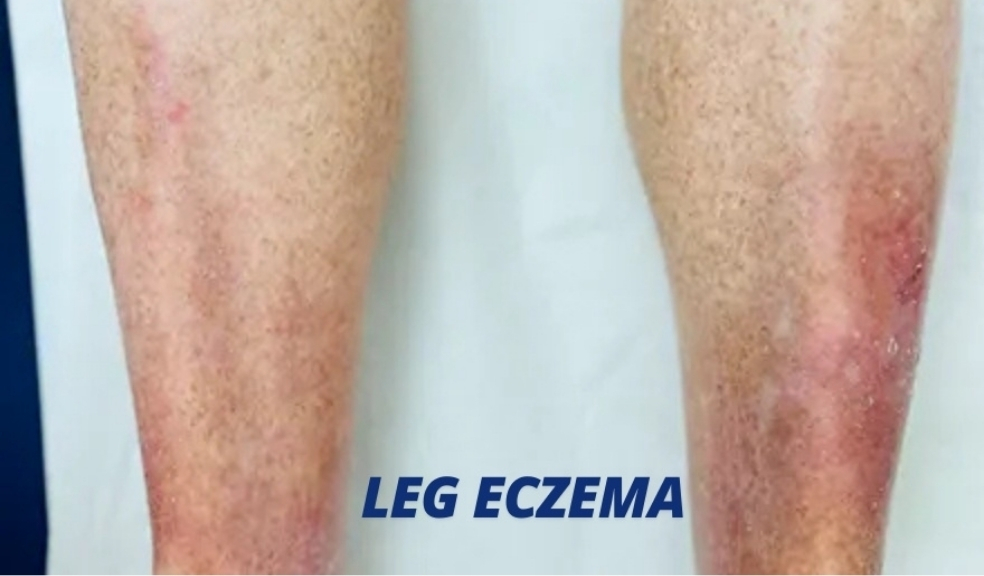
Eczema is a common skin condition that affects millions of people worldwide. If you’ve noticed redness, dryness, and irritation on your legs, you might be dealing with eczema on the legs. This article explores the causes of eczema on the legs and provides you with practical tips on how to manage it effectively.
What is Eczema?
Eczema is a group of conditions that cause inflammation and irritation of the skin. It can appear in various forms, including atopic dermatitis, contact dermatitis, and seborrheic dermatitis. The legs, especially the lower part, are common areas where eczema may flare up. In essence, eczema on the legs is a skin disorder that leads to itchy, dry patches and can sometimes cause blisters or cracking of the skin.
Common Causes of Eczema on the Legs
Eczema on the legs can be triggered by a variety of factors, some of which may be outside your control. Understanding the causes can help you take preventive measures.
- Environmental Factors
Cold weather, low humidity, and dry air can strip moisture from the skin, leading to eczema flare-ups on the legs. This is why eczema tends to worsen in the winter months. - Genetics and Family History
If your parents or siblings have eczema, asthma, or allergies, you are at a higher risk of developing eczema on the legs yourself. - Allergies and Irritants
Certain substances, such as soaps, detergents, or fabrics like wool, can irritate the skin, causing eczema to develop or worsen. Food allergies may also play a role in triggering flare-ups.
Symptoms of Eczema on the Legs
The symptoms of eczema on the legs can vary from person to person. Common signs include:
- Redness and Inflammation: The skin becomes red and inflamed, which can be accompanied by swelling.
- Itchiness and Dry Patches: One of the hallmark symptoms of eczema is intense itching, often causing dry, flaky patches to form on the skin.
- Cracked Skin and Blisters: In severe cases, the skin may crack, bleed, or form small blisters, which may ooze and cause discomfort.
How Eczema on the Legs Develops
Eczema on the legs occurs when the skin’s immune system overreacts to certain environmental or internal triggers. The body’s inflammatory response leads to the characteristic symptoms of eczema, including redness, swelling, and itching. The immune system mistakenly attacks healthy skin cells, causing an inflammatory cascade.
Risk Factors for Developing Eczema on the Legs
Several factors can increase your risk of developing eczema on the legs:
- Genetic Predisposition: People with a family history of eczema, asthma, or hay fever are more likely to develop eczema.
- Asthma and Hay Fever: Individuals with asthma or hay fever may also be at higher risk of developing eczema on the legs.
- Age and Skin Type: Eczema can develop at any age, but is more common in children. People with sensitive skin are also more prone to developing eczema.
How to Manage Eczema on the Legs
Managing eczema on the legs involves a combination of skincare, medical treatments, and lifestyle changes.
- Skincare Routines
Establishing a consistent skincare routine is essential for managing eczema. Using gentle, fragrance-free soaps and moisturizers can help prevent flare-ups. - Moisturizing and Hydration
Keeping the skin hydrated is critical in managing eczema. Regularly moisturizing your legs with emollients like petroleum jelly or thick creams can help maintain the skin’s moisture balance. - Use of Prescription Treatments
In some cases, a doctor may prescribe topical steroids or other medications to reduce inflammation and control symptoms. It’s important to follow your doctor’s advice for the best results.
Over-the-Counter Remedies for Eczema on the Legs
Several over-the-counter treatments can help manage eczema on the legs:
- Creams and Lotions: Topical creams with ingredients like ceramides and hydrocortisone can help alleviate itching and inflammation.
- Anti-inflammatory Treatments: Anti-inflammatory creams can reduce redness and swelling.
- Hydrocortisone Creams: These are commonly used to relieve itching and inflammation in mild to moderate cases of eczema.
When to See a Doctor for Eczema on the Legs
If eczema on the legs worsens or doesn’t respond to home treatment, it may be time to consult a doctor. Seek medical attention if:
- Your eczema is causing significant pain or discomfort.
- You notice signs of infection, such as pus or increased redness.
- The eczema is spreading or worsening despite treatment.
Lifestyle Changes to Help Manage Eczema
Making certain lifestyle changes can help keep eczema under control:
- Dietary Considerations: Eating an anti-inflammatory diet may help reduce flare-ups. Consider incorporating omega-3 fatty acids and antioxidants into your meals.
- Stress Management: Stress is a known trigger for eczema flare-ups, so practicing relaxation techniques like yoga or meditation can be beneficial.
- Avoiding Known Triggers: Identifying and avoiding triggers, such as certain fabrics or harsh chemicals, can help prevent flare-ups.
Natural Remedies for Eczema on the Legs
If you’re looking for natural ways to manage eczema on the legs, there are several remedies to try:
- Coconut Oil and Aloe Vera: Both have soothing properties that can help reduce inflammation and moisturize the skin.
- Oatmeal Baths: Soaking in an oatmeal bath can help calm irritated skin and reduce itching.
- Herbal Supplements: Certain herbal remedies, such as chamomile or turmeric, have anti-inflammatory properties that may benefit eczema sufferers.
Prevention Tips for Eczema on the Legs
Preventing eczema flare-ups involves:
- Identifying Triggers: Keep track of what causes your eczema flare-ups (foods, fabrics, environmental factors) and avoid them.
- Proper Skin Care Practices: Gentle, consistent skincare can keep eczema at bay. Moisturize regularly and use gentle products on your skin.
- Wearing Appropriate Clothing: Choose soft, breathable fabrics like cotton to avoid irritating your skin.
Living with Eczema on the Legs: Coping Strategies
Living with eczema can be challenging, but coping strategies can help you manage the condition:
- Mental and Emotional Well-being: Dealing with eczema can be frustrating, so it’s important to stay positive and focus on self-care.
- Support Groups and Resources: Join eczema support groups where you can connect with others facing similar challenges.
- Managing Flare-ups: Stay on top of your treatment plan to minimize flare-ups and maintain a better quality of life.
Conclusion
Eczema on the legs can be a distressing condition, but with proper understanding and management, it is entirely possible to keep it under control. By identifying triggers, maintaining a skincare routine, and exploring various treatment options, you can alleviate the discomfort associated with eczema on the legs and lead a healthier, more comfortable life.
FAQs
What triggers eczema on the legs?
Common triggers include environmental factors like dry air, certain fabrics, allergies, and stress. Identifying and avoiding these triggers can help manage eczema.
Can eczema on the legs be cured?
Currently, there is no cure for eczema, but it can be effectively managed with treatments like moisturizers, prescription creams, and lifestyle changes.
What is the best treatment for eczema on the legs?
The best treatment varies by individual. Over-the-counter hydrocortisone creams, prescription topical steroids, and moisturizing regularly are effective for many people.
How can I prevent eczema flare-ups on my legs?
By avoiding known triggers, moisturizing regularly, and maintaining a consistent skincare routine, you can reduce the likelihood of eczema flare-ups.
Is eczema on the legs contagious?
No, eczema is not contagious. It is a result of an immune system response and cannot be passed from one person to another.
Read more articles.