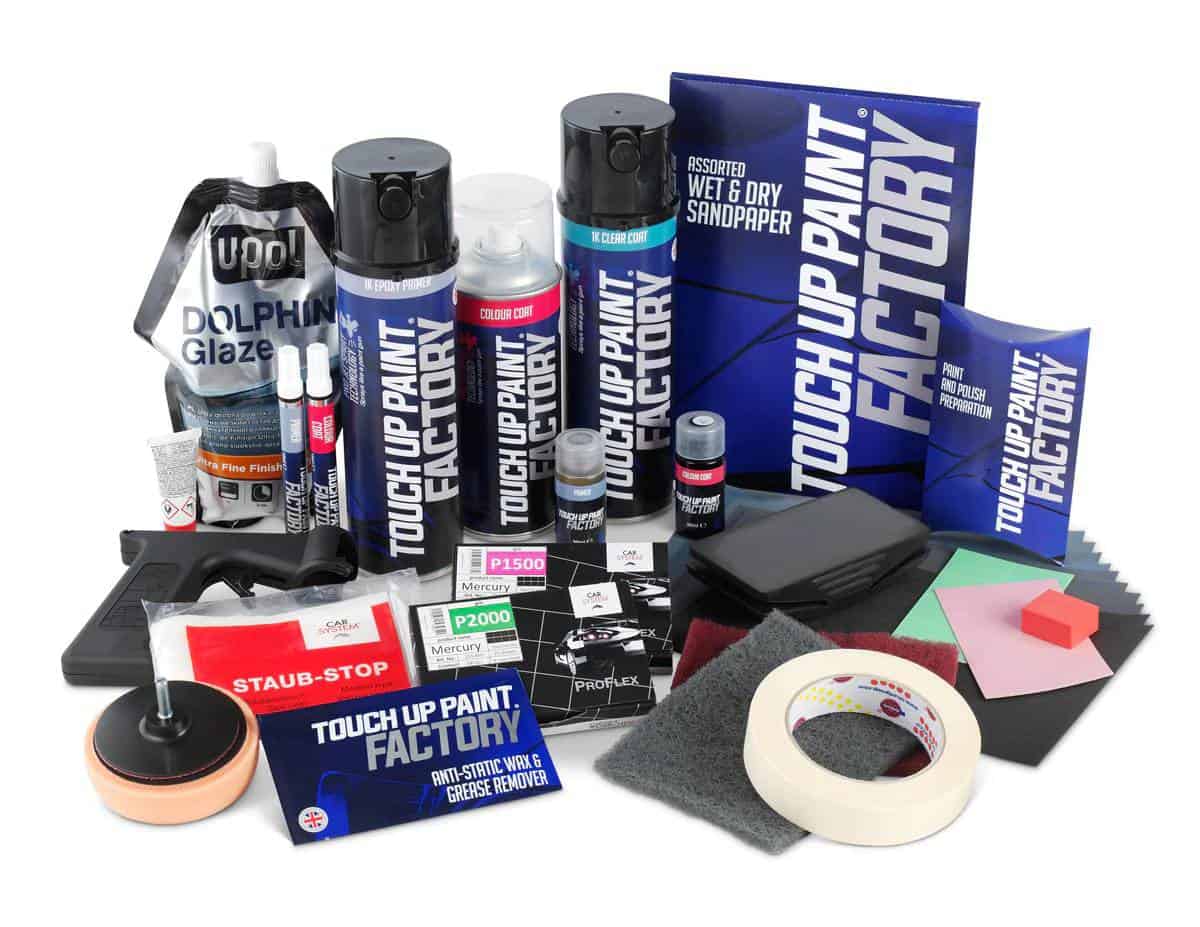
Spray painting a car looks simple from the outside, but the final result depends heavily on the paint you choose. The right spray paint can elevate an older vehicle, refresh faded panels, or give your ride a bold custom finish. The wrong one can leave blotchy spots, uneven gloss, fast fading, and peeling surfaces.
With multiple formulas, finishes, brands, and application methods on the market, picking the right spray paint can feel overwhelming—especially if you want long-lasting results without hiring a professional body shop.
This guide breaks down what you must consider before buying spray paint for your car, how different paint types behave, key features that affect durability, and tips that help you select the perfect match for your project.
Key Takeaways
- Match the spray paint type to your project size, weather conditions, and skill level.
- Check color codes on your vehicle to ensure an accurate factory-grade match.
- Always choose automotive-grade paint for stronger adhesion, gloss retention, and UV resistance.
- Pick the right finish—matte, satin, gloss, or metallic—to suit your style and application method.
- Don’t ignore surface prep and compatible primers; they determine the final outcome more than the paint itself.
Why Picking the Right Spray Paint Matters
Your car experiences constant exposure to sunlight, moisture, dust, road debris, and fluctuating temperatures. This environment demands a coating that can resist fading, chipping, oxidation, and cracking. Spray paint for cars isn’t the same as craft spray paint. Automotive formulas contain resins and additives designed to survive harsh outdoor conditions.
Here’s what the right spray paint does for your vehicle:
- Preserves exterior appeal with uniform coverage and long-lasting gloss
- Boosts resale value by restoring color accuracy
- Protects metal panels from rust
- Allows cheaper makeovers compared to full professional resprays
Now, let’s break down what you should look for when choosing spray paint.
1. Choose the Correct Type of Automotive Spray Paint
Not all spray paints serve the same purpose. Each type offers unique benefits and works better in specific situations.
Acrylic Spray Paint
- Dries fast
- Works well for beginners
- Produces a smooth, shiny finish
- Resistant to fading but not as tough as urethane
Acrylic spray paint fits small DIY projects, touch-ups, and panels that don’t face heavy wear.
Enamel Spray Paint
- Hardens into a tougher shell
- Takes longer to cure
- Offers strong resistance to moisture
Enamel suits daily-driven vehicles because it withstands weather changes better than acrylic.
Urethane Spray Paint
- Extremely durable
- Highly resistant to UV rays and chemicals
- Delivers a professional-grade finish
- Requires careful application and safety precautions
Urethane is the top choice for full-body paint jobs or long-term restoration projects.
Lacquer Spray Paint
- Provides a high-gloss finish
- Dries quickly
- Works best with older classic cars
However, lacquer doesn’t tolerate strong UV exposure as well as urethane. It’s perfect for vintage rides or show cars kept in garages.
2. Check Your Vehicle’s Factory Color Code
If your goal is touch-up work or restoring original shades, always check the color code on your vehicle. Manufacturers place these codes on:
- The driver-side door jamb
- The firewall
- The glove box
- The radiator support
- The trunk lid
Matching by eye rarely works because paint fades differently across vehicles. Using the factory code ensures you get the closest possible match.
3. Pick the Right Finish for Your Style and Purpose
Spray paint finish affects not only looks but also application difficulty and durability.
Matte Finish
- No gloss
- Trendy, bold appearance
- Hides minor imperfections
Matte requires careful sealing, as fingerprints and smudges show easily.
Satin Finish
- Light sheen
- Balances style and practicality
- Easier to maintain than matte
Great for modern vehicles and subtle refreshes.
Gloss Finish
- High shine
- Common for factory paint
- Highlights reflections and depth
Gloss brings out the car’s curves but needs proper prep to avoid highlighting dents or scratches.
Metallic Finish
- Contains metal flakes
- Creates a sparkling effect
- Requires even, controlled application
Metallics need more skill but deliver a premium aesthetic.
4. Check Durability Features Before Buying
Good spray paint should withstand daily driving conditions. Look for features such as:
UV Resistance
Sun exposure fades low-quality paint quickly. UV-resistant formulas protect your finish from dulling.
Chip and Scratch Resistance
Essential for cars driven on highways or rough roads.
Rust Protection
Some paints come with rust-inhibiting additives, ideal for older vehicles or humid climates.
Temperature Tolerance
Important for areas with extreme heat or cold. Low-grade paint may crack when temperatures shift.
5. Look at the Paint’s Nozzle Quality
A spray can is only as good as its nozzle. A precision nozzle helps you control:
- Spray width
- Dispersion
- Pressure
- Overspray
High-quality cans feature adjustable nozzles that allow narrow or wide spray patterns. This proves crucial when switching between detailing small spots and covering larger panels.
Poor nozzles cause drips, inconsistent coverage, and rough textures.
6. Decide Between Single-Stage and Two-Stage Paint Systems
Your experience level and project type determine whether a single-stage or two-stage system works better.
Single-Stage Paint
- Combines color and clear coat
- Faster and easier application
- Ideal for beginners
While it saves time, single-stage paint may not offer the depth and protection of a separate clear coat.
Two-Stage Paint
- Includes a base coat (color) and a clear coat
- Creates a richer, deeper appearance
- Provides stronger defense against UV rays and scratches
If you want a showroom-level finish, two-stage systems deliver better results.
7. Buy Automotive-Grade Primer to Match the Paint
Primer plays a massive role in whether your paint sticks, spreads evenly, and lasts. Choose primer based on your surface:
- Etching primer for bare metal
- High-build primer for filling scratches
- Plastic primer for bumpers and trim
- Sealer primer for blending old and new paint
Don’t skip primer. It helps the color stay vibrant and protects the car structure beneath.
8. Match Paint Type to Project Scale
Your paint needs vary depending on what you want to achieve.
Small Repairs and Touch-Ups
Choose:
- Automotive acrylic spray paint
- A color-matched touch-up can
- Single-stage formulas
These work well for door dings, scratches, and small rust spots.
Panel Repainting
Use:
- Enamel or urethane spray paint
- Base-coat/clear-coat systems
Panels face more exposure, so sturdier formulas help maintain quality.
Full Car Respray
Best choice:
- Urethane two-stage systems
- High-durability clear coat
A full paint job demands longevity and depth, which urethane delivers.
9. Consider Environmental Conditions Before Choosing Paint
Weather matters more than many DIYers realize.
Temperature
Most spray paints work best between 65°F–85°F (18°C–29°C). Extreme heat dries paint too fast, while cold conditions slow curing and cause dull patches.
Humidity
High humidity leads to bubbling, fisheyes, and uneven drying. Pick paints formulated for low-moisture curing if you live in coastal or humid regions.
Ventilation
Automotive paints release strong fumes. Always paint in an open space or well-ventilated garage.
10. Go for Reputable Automotive Brands
Cheap spray paints may tempt you, but quality brands offer better pigments, stronger adhesion, and consistent performance. Trusted suppliers like Touch Up Paint Factory specialize in long-lasting automotive spray paints designed for accurate color matching and high durability.
Look for brands known for:
- Color accuracy
- Durable formulations
- Even spraying capability
- Long-lasting clear coats
User reviews and product ratings can help you identify what works well in real-life conditions.
11. Choose the Right Amount of Paint
Under-estimating the amount of paint leads to color mismatch, visible streaks, and uneven coverage.
General estimates:
- Small touch-ups: 1–2 cans
- Single panel: 2–3 cans
- Full bumper: 3–4 cans
- Full car: 12–20 cans (varies by vehicle size and paint type)
Always buy more than you think you need; color batches may differ slightly.
12. Check for Clear Coat Compatibility
Clear coat protects your paint from:
- UV exposure
- Chemicals
- Scratches
- Moisture
Most automotive spray paints require a matching clear coat made by the same manufacturer. Mixing brands may cause reactions such as cloudiness, peeling, or fisheyes.
13. Safety Should Guide Your Choice
Automotive spray paints contain chemicals like isocyanates, solvents, and hardeners. Pick paints that provide safety instructions and pair them with protective gear such as:
- Respirator mask
- Gloves
- Goggles
- Paint suit
Urethane paints require extra caution due to stronger fumes and hardeners.
14. Compare Price vs. Performance
Lower-priced options may cover quickly but fade or peel sooner. Higher-end paints cost more because they:
- Use stronger pigments
- Cure into a harder shell
- Offer higher gloss retention
- Resist chemicals better
Think about how long you plan to keep the vehicle. Investing in quality now can save future repair bills.
15. Read the Label Carefully
Before adding the paint to your cart, always check the label for:
- Surface compatibility
- Cure time
- Recommended primer
- Number of coats required
- Temperature guidelines
Small details can make or break your project.
16. Test Before Committing
Spray a small amount on a spare metal piece or hidden part of your car. This helps you check:
- Color match
- Spray pattern
- Drying speed
- Gloss level
Testing ensures you avoid spending hours repainting only to realize the tone is off.
Final Thoughts
The right spray paint enhances your vehicle’s appearance, shields your car from the elements, and makes your project feel rewarding instead of stressful. By focusing on paint type, finish, durability, color accuracy, and compatibility with your car’s surface, you can achieve professional-looking results at home.
Frequently Asked Questions
1. Can I use regular craft spray paint on my car?
No. Craft spray paint lacks the additives required for UV resistance, adhesion, and durability. It won’t hold up to outdoor conditions and may peel quickly.
2. How long should car spray paint cure?
Most automotive paints dry to the touch within minutes but may take several hours to cure fully. Urethane systems can take up to 24–48 hours for a strong finish.
3. Do I need primer before spray painting my car?
Yes. Primer helps the paint bond to the surface, enhances color vibrancy, and prevents rust.
4. What’s the most durable spray paint for cars?
Urethane spray paint offers the strongest durability, gloss retention, and resistance to sunlight and chemicals.
5. How many coats should I apply?
Most projects require 2–3 coats of paint and 2–3 coats of clear coat. Light, even layers prevent drips and give a smoother finish.