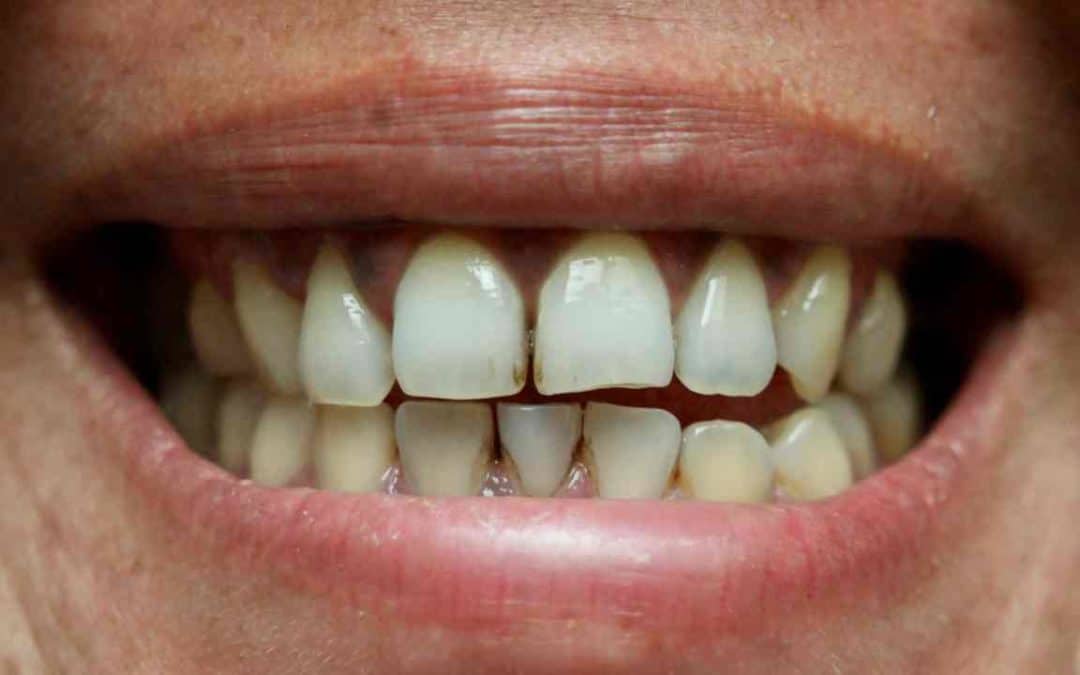
Having a bright, white smile is often associated with health, confidence, and youth. However, over time, the natural color of our teeth can become stained or discolored due to various factors like food, drinks, smoking, and aging. While professional treatments can help, many people seek natural alternatives to remove stains from teeth and maintain a radiant smile. In this article, we’ll explore the top methods to remove stains from teeth naturally, offering safe and effective solutions to improve your dental health without breaking the bank.
Why Do Teeth Stain?
Before diving into the solutions, it’s important to understand why teeth stain in the first place. The enamel, the outer protective layer of your teeth, is naturally white, but it can become discolored due to various factors. Some of the common causes include:
-
Food and Drinks: Coffee, tea, red wine, and foods like berries and curries contain compounds that can stain teeth.
-
Tobacco: Smoking or chewing tobacco is notorious for leaving stubborn stains on teeth.
-
Age: As we age, enamel naturally wears down, revealing the yellowish dentin beneath.
-
Poor Oral Hygiene: Infrequent brushing and flossing can lead to plaque build-up, which contributes to discoloration.
-
Medications: Some antibiotics and antihistamines can cause teeth to stain.
Understanding these causes will help you address the issue more effectively using natural methods.
Health and Wellness: Natural Teeth Whitening Approaches
The concept of health and wellness extends beyond just what we eat or how we exercise—it also includes how we care for our bodies, including our teeth. Maintaining oral health is crucial, not only for aesthetic reasons but also for overall wellness. A healthy mouth contributes to better digestion, reduces the risk of gum disease, and boosts confidence when smiling.
Now that we understand the causes of teeth stains, let’s explore natural methods that can help brighten your smile and improve your oral hygiene.
1. Baking Soda and Hydrogen Peroxide Paste
Baking soda is a popular ingredient for teeth whitening. It is mildly abrasive, which helps to scrub away surface stains from teeth without damaging the enamel. Hydrogen peroxide is a natural bleaching agent that can further enhance the whitening effect. Together, these ingredients can form an effective natural paste to remove stains.
How to Use It:
-
Mix one tablespoon of baking soda with a small amount of hydrogen peroxide to form a thick paste.
-
Apply the paste to your toothbrush and gently brush your teeth for 2 minutes.
-
Rinse thoroughly with water.
Note: Use this method only 1-2 times a week, as excessive use of baking soda can wear down tooth enamel.
2. Activated Charcoal
Activated charcoal has gained popularity in the world of natural health and wellness, especially for its purported ability to whiten teeth. The charcoal’s porous surface binds to substances like plaque and toxins, which can help lift stains from the teeth.
How to Use It:
-
Wet your toothbrush and dip it into activated charcoal powder.
-
Gently brush your teeth for 2 minutes, making sure to avoid scrubbing too hard.
-
Rinse thoroughly and brush your teeth again with regular toothpaste to remove any remaining charcoal.
Note: Use activated charcoal sparingly as it can be abrasive if overused, potentially damaging enamel.
3. Oil Pulling with Coconut Oil
Oil pulling is an ancient Ayurvedic practice that involves swishing oil in your mouth to improve oral health. Coconut oil, in particular, has antibacterial properties that help fight plaque and reduce the appearance of stains. This method is gentle and can be incorporated into your daily oral care routine.
How to Use It:
-
Take a tablespoon of coconut oil and swish it around your mouth for 15-20 minutes.
-
Spit the oil out (never swallow it).
-
Brush your teeth afterward to remove any remaining oil.
Note: Coconut oil pulling can help reduce plaque and may contribute to the gradual removal of surface stains over time.
4. Apple Cider Vinegar (ACV)
Apple cider vinegar is known for its natural cleaning properties. When diluted, ACV can help remove surface stains from teeth, neutralize acids in the mouth, and promote overall oral health. It is important to use ACV in moderation, as its acidic nature can erode enamel if used excessively.
How to Use It:
-
Mix one part apple cider vinegar with two parts water.
-
Swish the mixture around your mouth for 1-2 minutes.
-
Rinse your mouth with water to neutralize the acid and then brush your teeth.
Note: Limit the use of apple cider vinegar to once or twice a week to avoid damaging your enamel.
5. Strawberries and Baking Soda
Strawberries contain malic acid, a natural compound that can help remove surface stains from teeth. When combined with baking soda, it creates a mild abrasive paste that can whiten teeth naturally.
How to Use It:
-
Mash a ripe strawberry and mix it with half a teaspoon of baking soda.
-
Apply the mixture to your teeth and let it sit for 5 minutes.
-
Brush your teeth with water afterward.
Note: While effective, this method should be used sparingly to prevent enamel erosion due to the acidity in strawberries.
6. Lemon and Baking Soda Scrub
Lemon juice is another natural acid that helps remove stains from teeth. However, like apple cider vinegar, it can be too acidic if used too often. When combined with baking soda, lemon juice can help lift stains while offering a refreshing taste.
How to Use It:
-
Mix the juice of half a lemon with one teaspoon of baking soda.
-
Apply the mixture to your toothbrush and gently brush for 2 minutes.
-
Rinse thoroughly with water.
Note: Use this method only occasionally to avoid enamel damage from the acidity.
7. Dietary Adjustments for Natural Teeth Whitening
Your diet plays a crucial role in the appearance of your teeth. Certain foods can naturally help remove stains from teeth or prevent further discoloration. Foods that are high in fiber, such as apples, celery, and carrots, can act as natural scrubbing agents, helping to clean teeth and reduce plaque build-up.
Additionally, drinking water throughout the day can help rinse away food particles and reduce staining. Avoiding excessive amounts of stain-causing food and drinks, such as coffee, tea, and red wine, will also help maintain the brightness of your teeth.
Health Tips:
-
Drink plenty of water throughout the day.
-
Chew sugar-free gum to increase saliva production, which naturally cleans the mouth.
-
Eat foods that help clean teeth, such as apples, carrots, and celery.
8. Regular Oral Hygiene Practices
While natural remedies can help with surface stains, nothing beats good oral hygiene for maintaining a healthy, bright smile. Brushing your teeth twice a day with fluoride toothpaste, flossing daily, and visiting the dentist regularly for cleanings are essential steps in preventing stains and ensuring long-term oral health.
Key Practices:
-
Brush your teeth for 2 minutes, ensuring you reach all areas of the mouth.
-
Floss daily to remove food particles and plaque from between your teeth.
-
Visit your dentist for regular check-ups and professional cleanings.
Note: Incorporating natural methods into your routine should complement, not replace, traditional oral hygiene practices.
Final Thoughts
Removing stains from teeth doesn’t require expensive treatments or harsh chemicals. By incorporating natural methods like baking soda and hydrogen peroxide paste, oil pulling with coconut oil, and dietary changes, you can achieve a brighter smile while improving your overall oral health and wellness. Remember that consistency is key, and always practice moderation to protect your enamel.